
Finding Community in the Heart of Sellwood
Watch Neal’s interview with Matt Bibeau on how City Repair got started and the aspects of what makes this Sellwood neighborhood so interesting.
Explore Other Journal Entries
Watch Neal’s interview with Matt Bibeau on how City Repair got started and the aspects of what makes this Sellwood neighborhood so interesting.
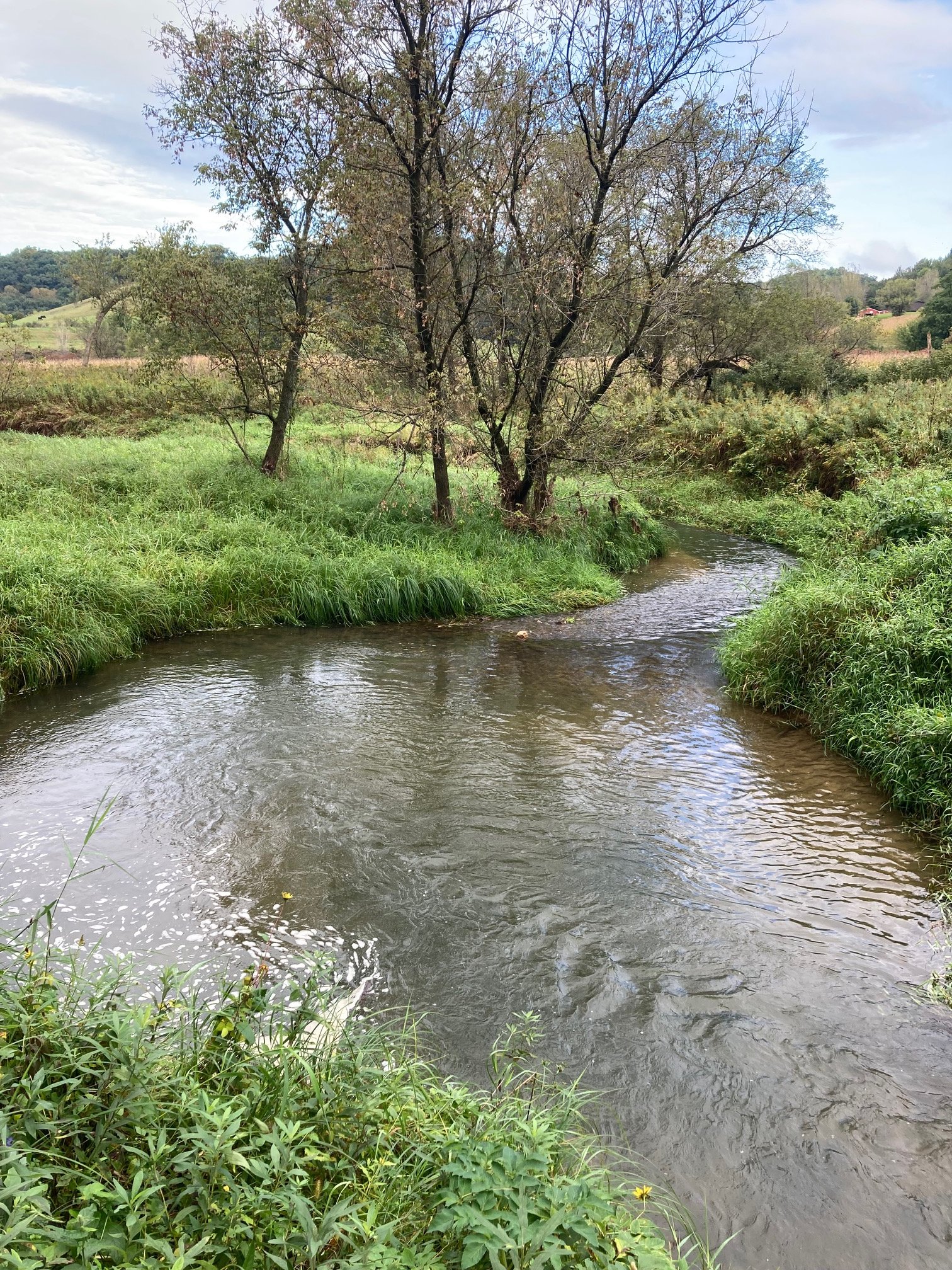
In Wisconsin’s Driftless Area, a family of five begins their stewardship journey, discovering the joy of growing into a place together.
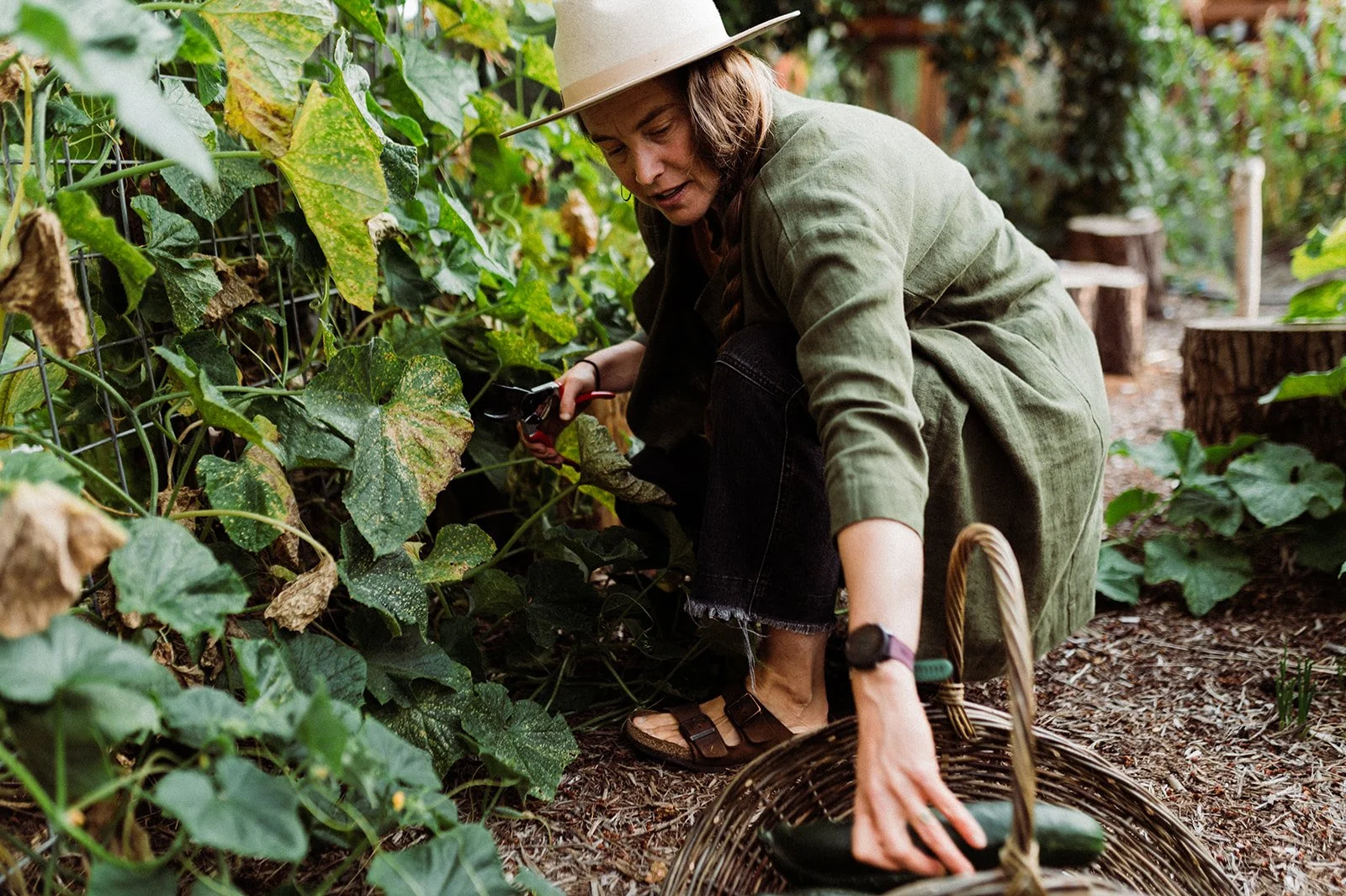
Inspired by the work of Paul Kingsnorth and Wendell Berry, we explore how home can bring more of daily life, care, and participation back within reach.
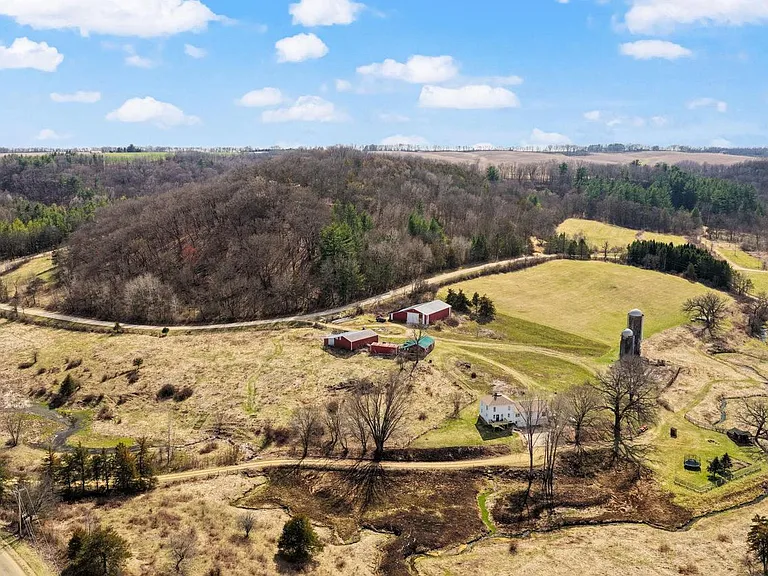
As more people buy land together, ownership is evolving from private acquisition to shared ownership.
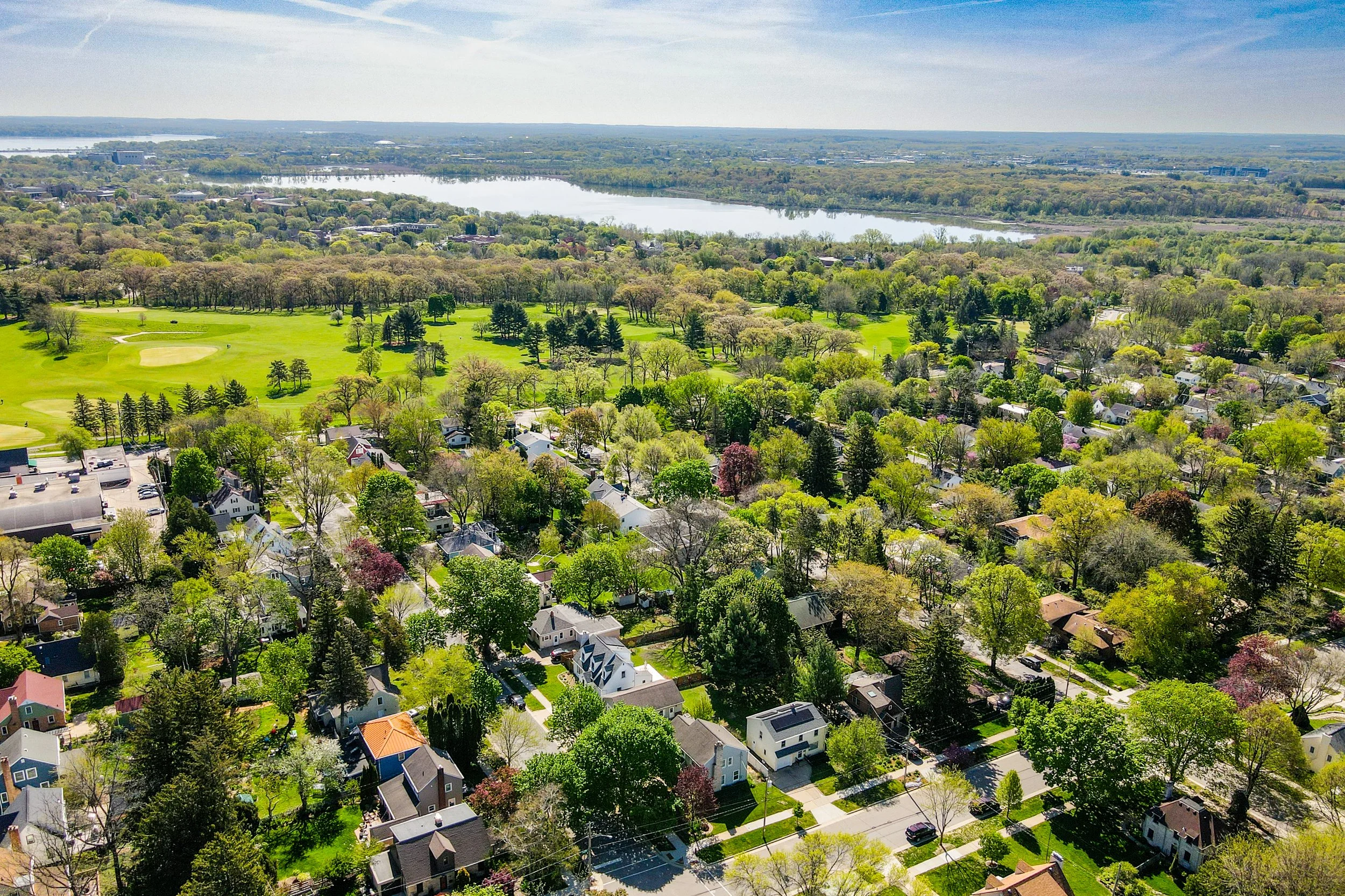
Madison, Wisconsin, is known for its lakes, bike culture, and local food scene, but its neighborhoods are what make sustainable living here genuinely possible. This guide breaks down what each one offers and how to find the one that fits the life you're looking for.
Carmen and Tripp Eldridge of Convivial Foodscapes share hard-earned insights from designing, building, and operating farm enterprises inside large-scale residential communities.
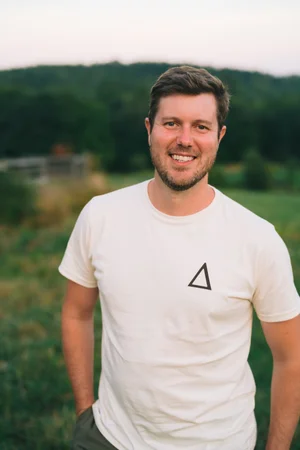 Neal Collins (he/him)
Neal Collins is the founder of Latitude Regenerative Real Estate and a founding partner at Hamlet Capital, where he focuses on land, conservation, and regenerative development. He also hosts The Regenerative Real Estate Podcast.