
SOLD
Be Easy Farm
322 Cassidy Rd
Sequim, WA 98382
$735,000
3 bedrooms | 2 bathrooms | 1,480 sqft | Built 2021 | 6.2 acres
Ten years of observing, tending, and working with the land have shaped something remarkable. Be Easy Farm is a living expression of patience, stewardship, and the intelligence already present in the natural world.
Connect with Neal Collins
neal@chooselatitude.com
Watch the Home Tour
A HAVEN BUILT WITH PATIENCE
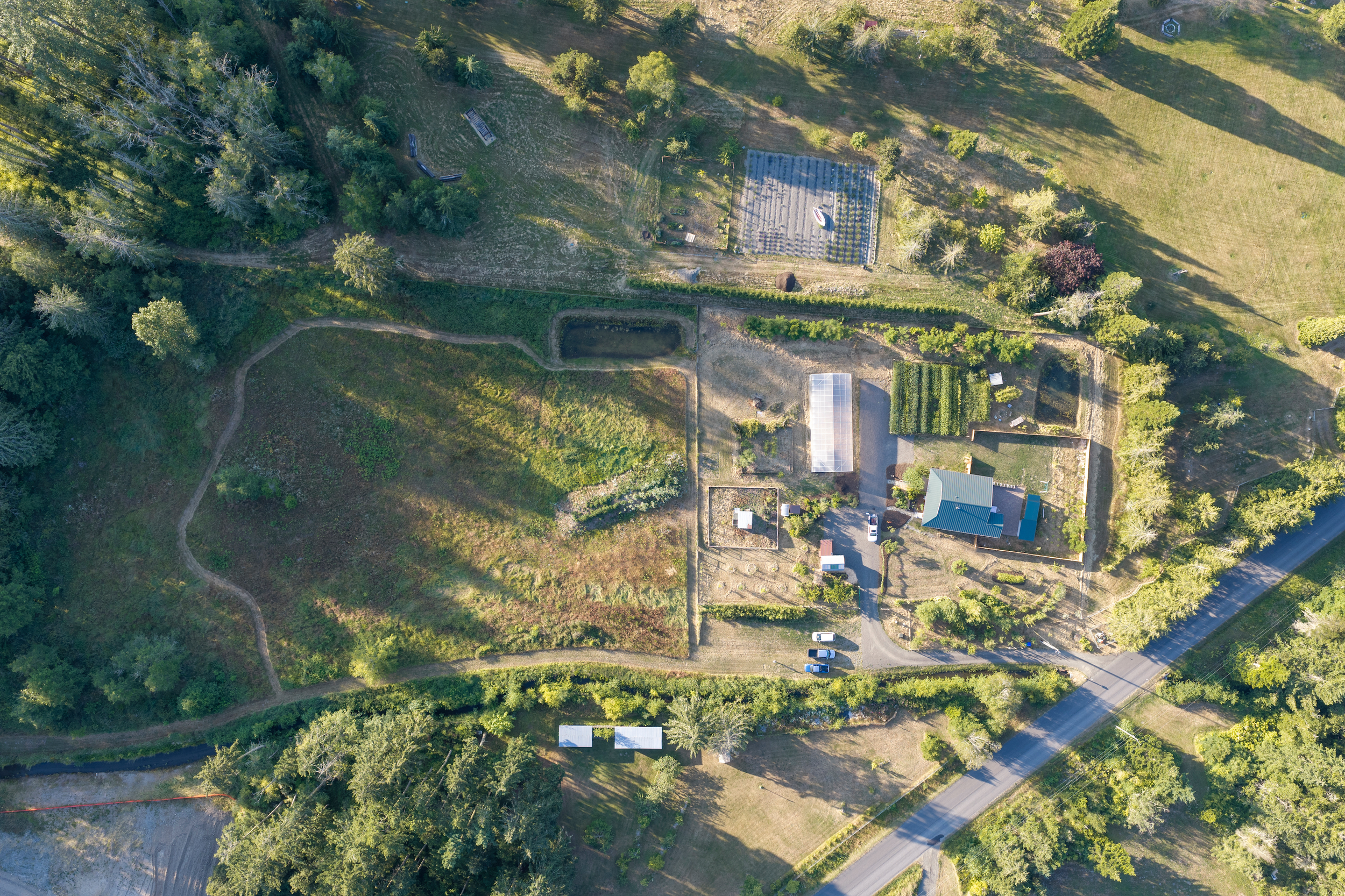
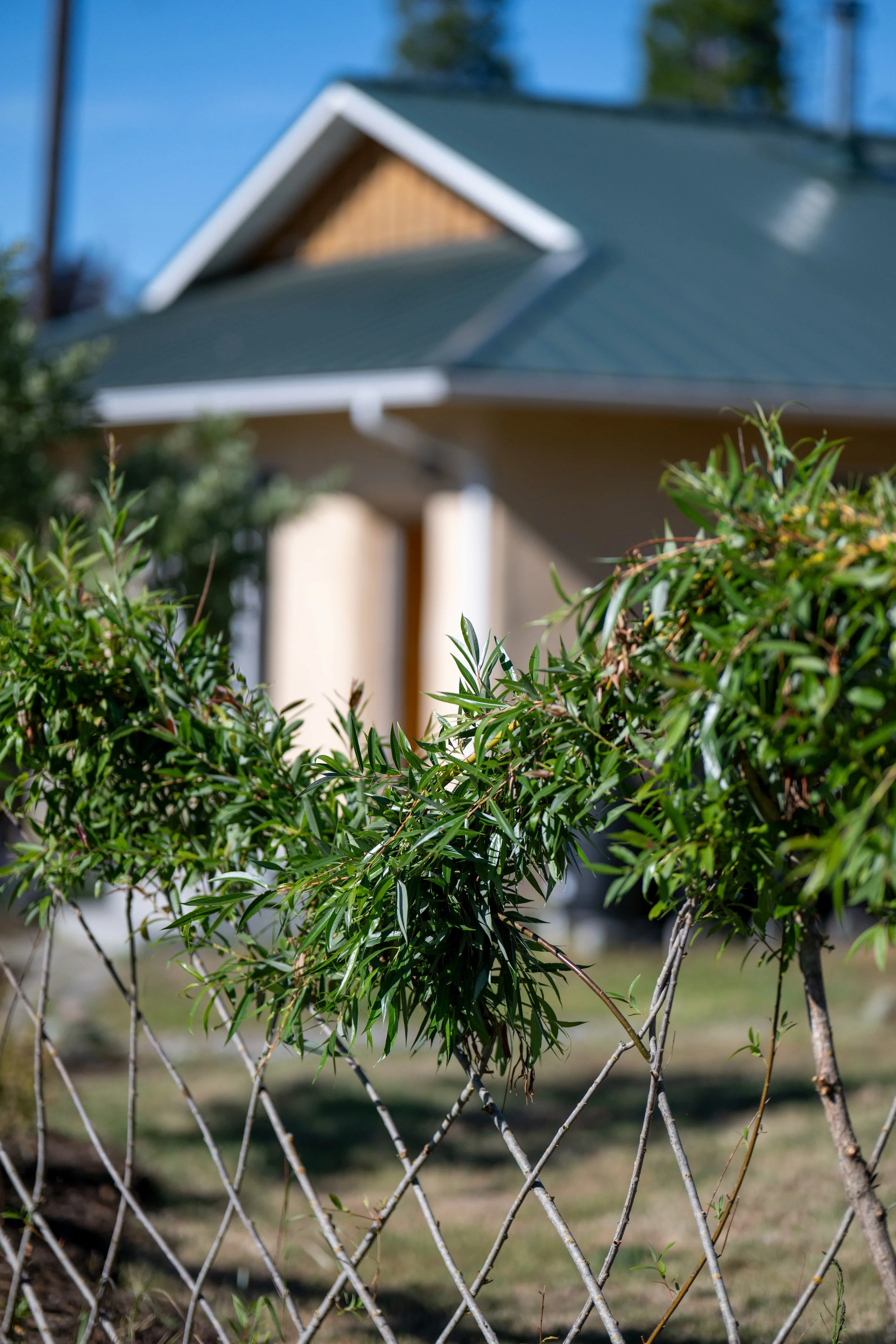
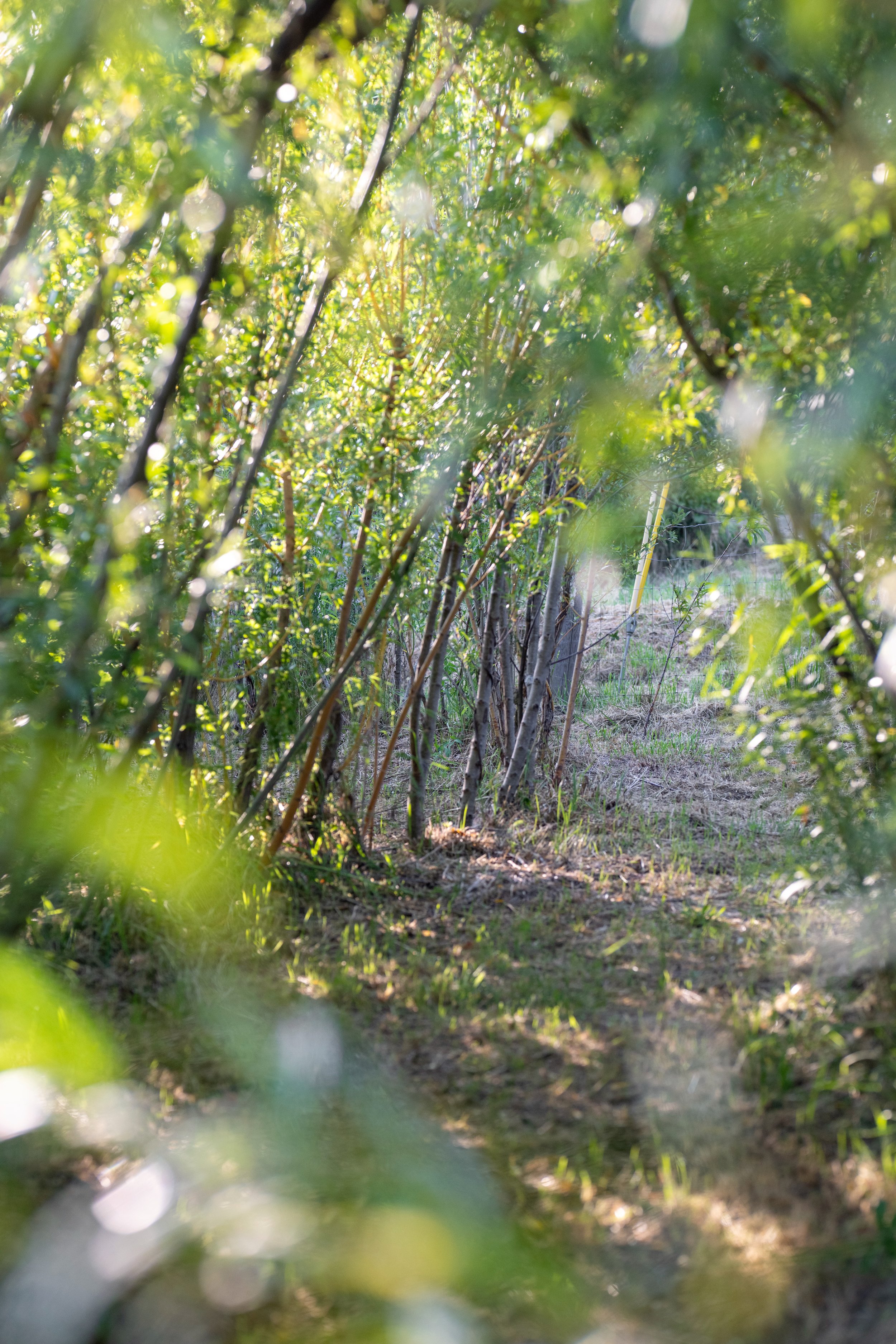
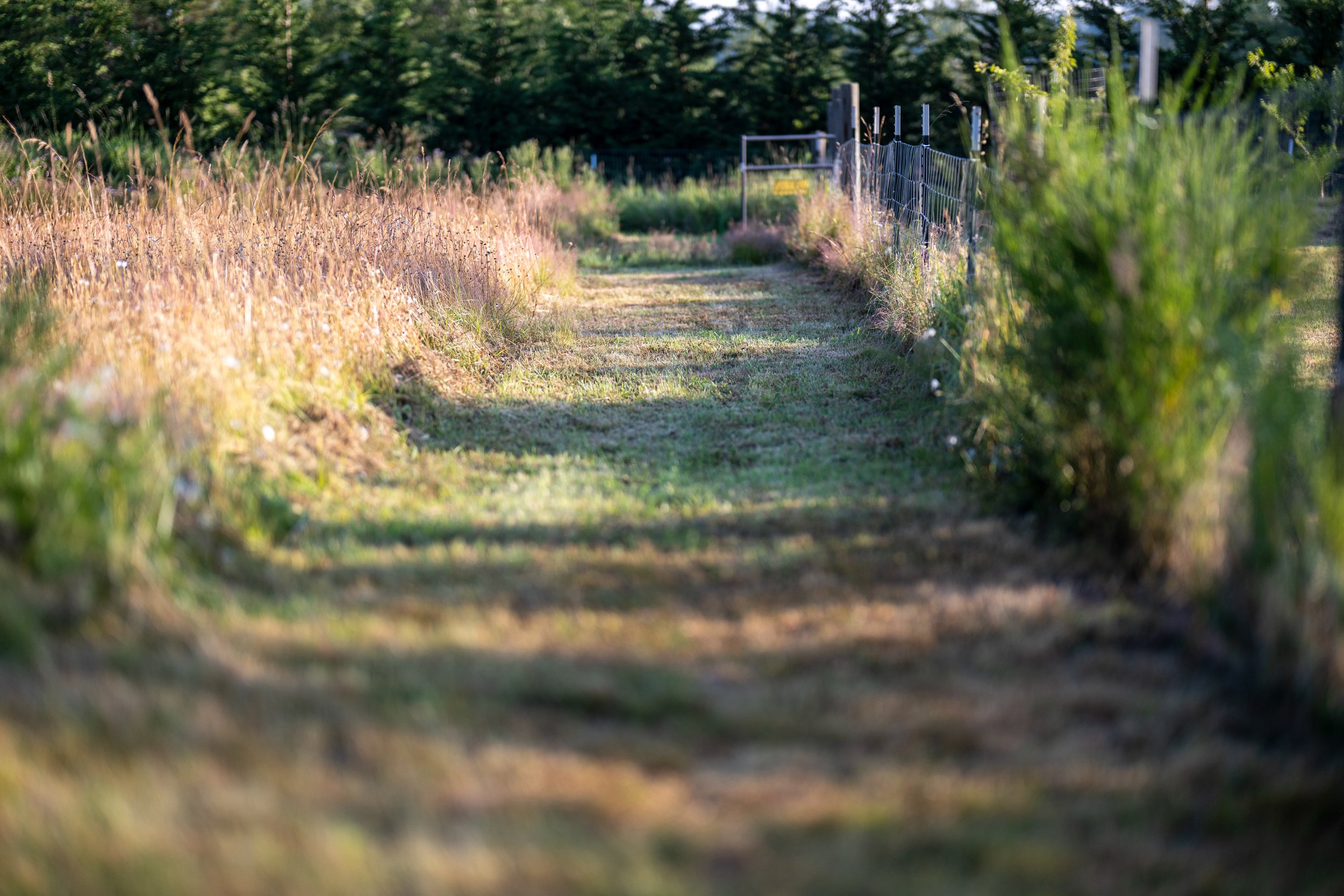
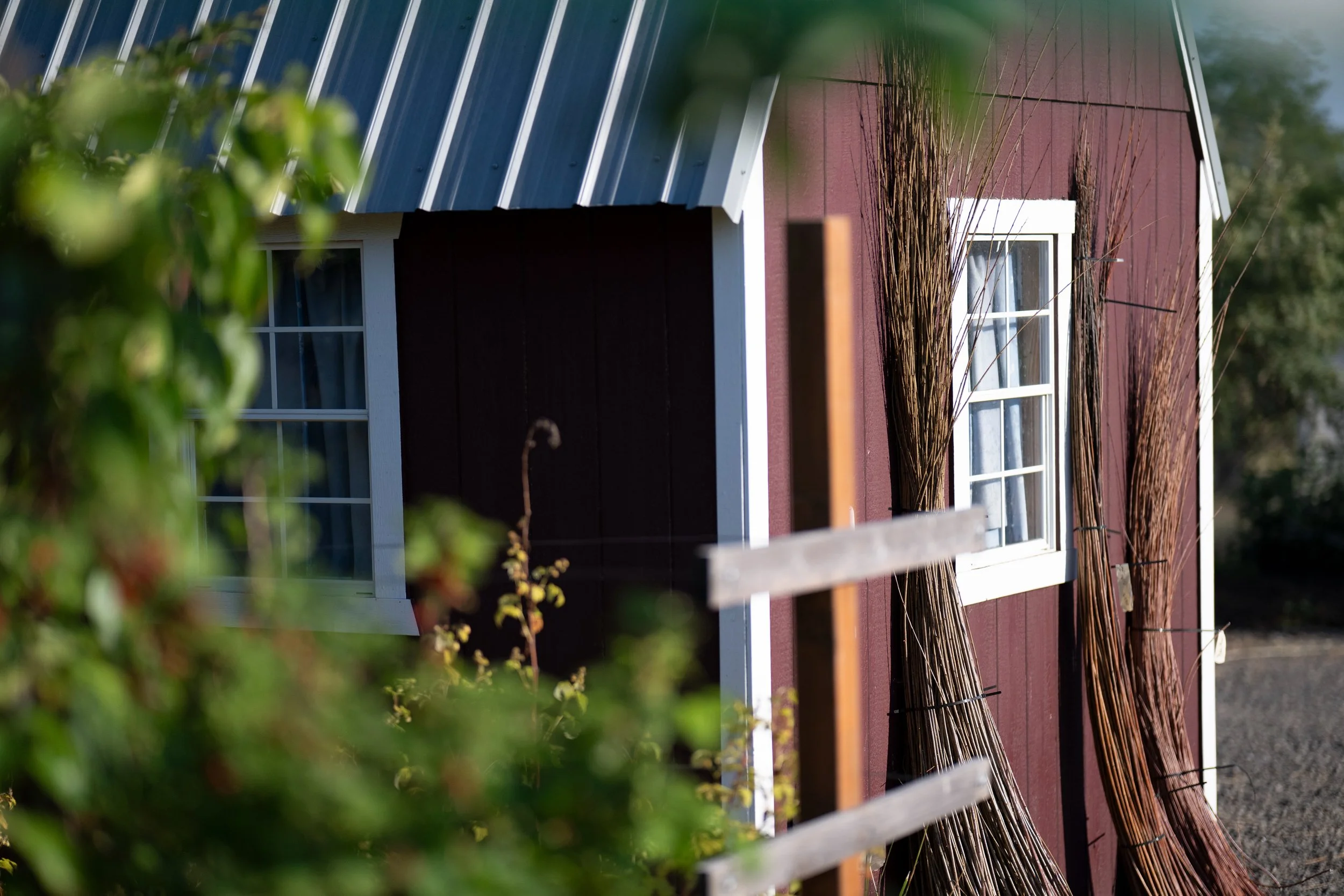
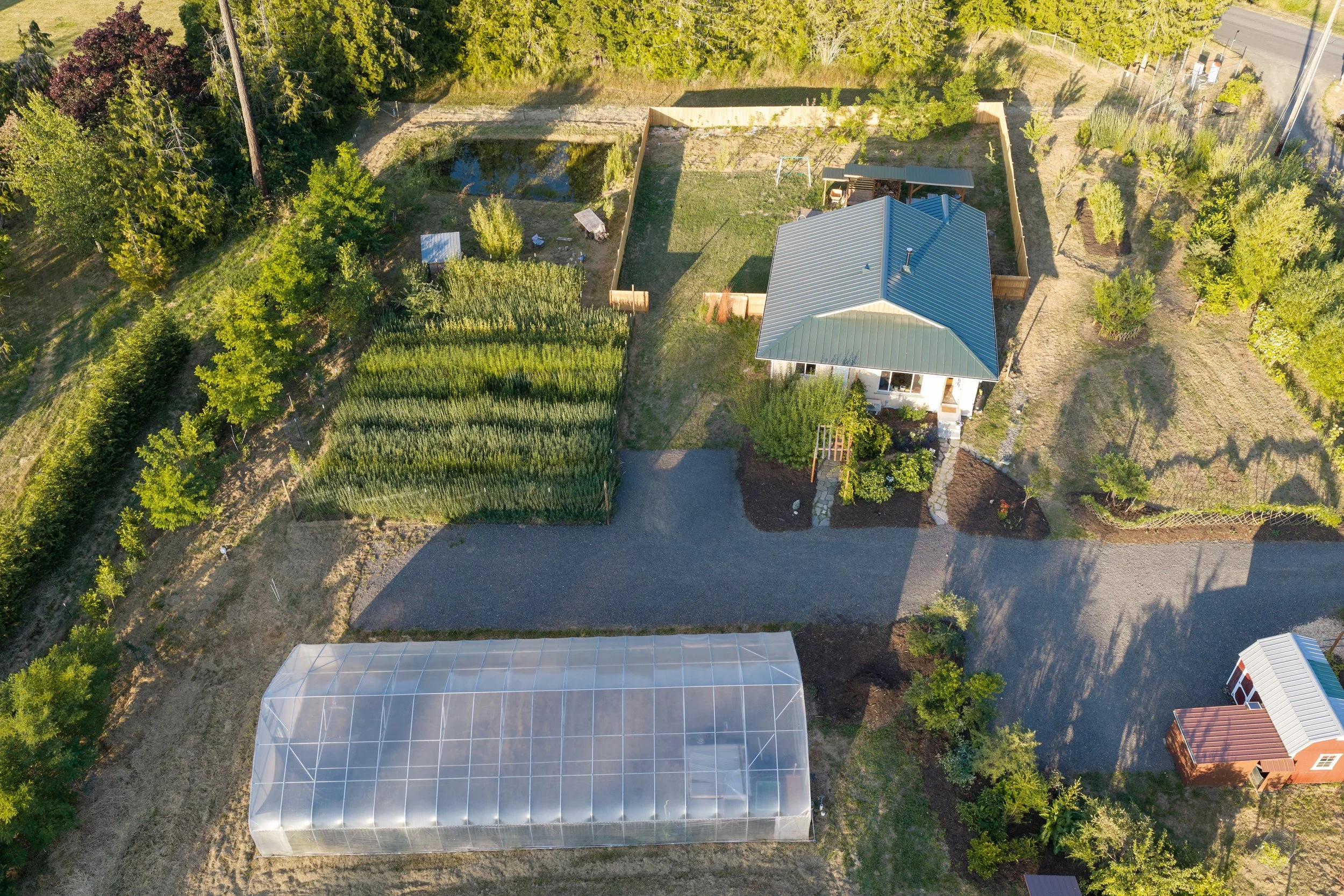
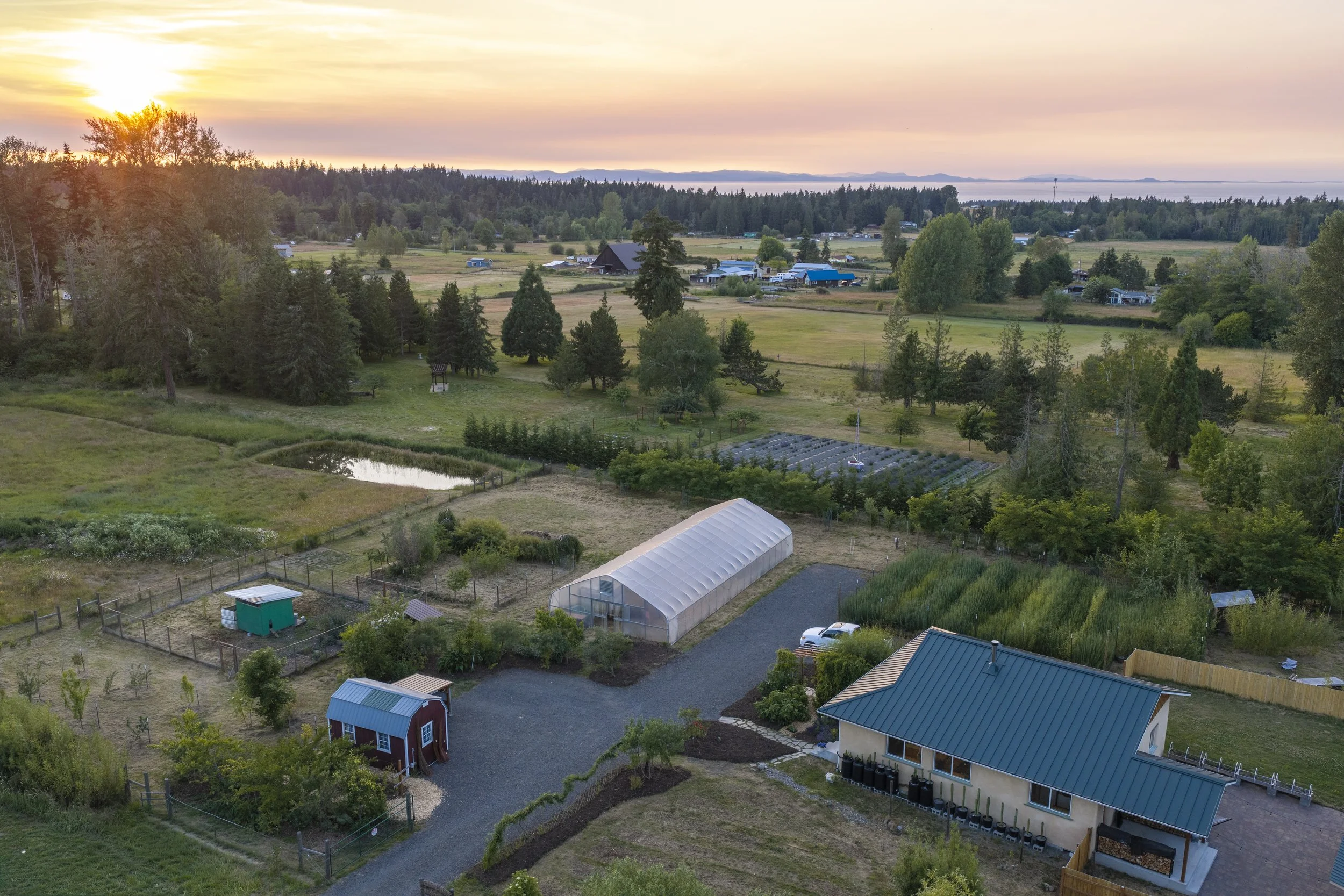
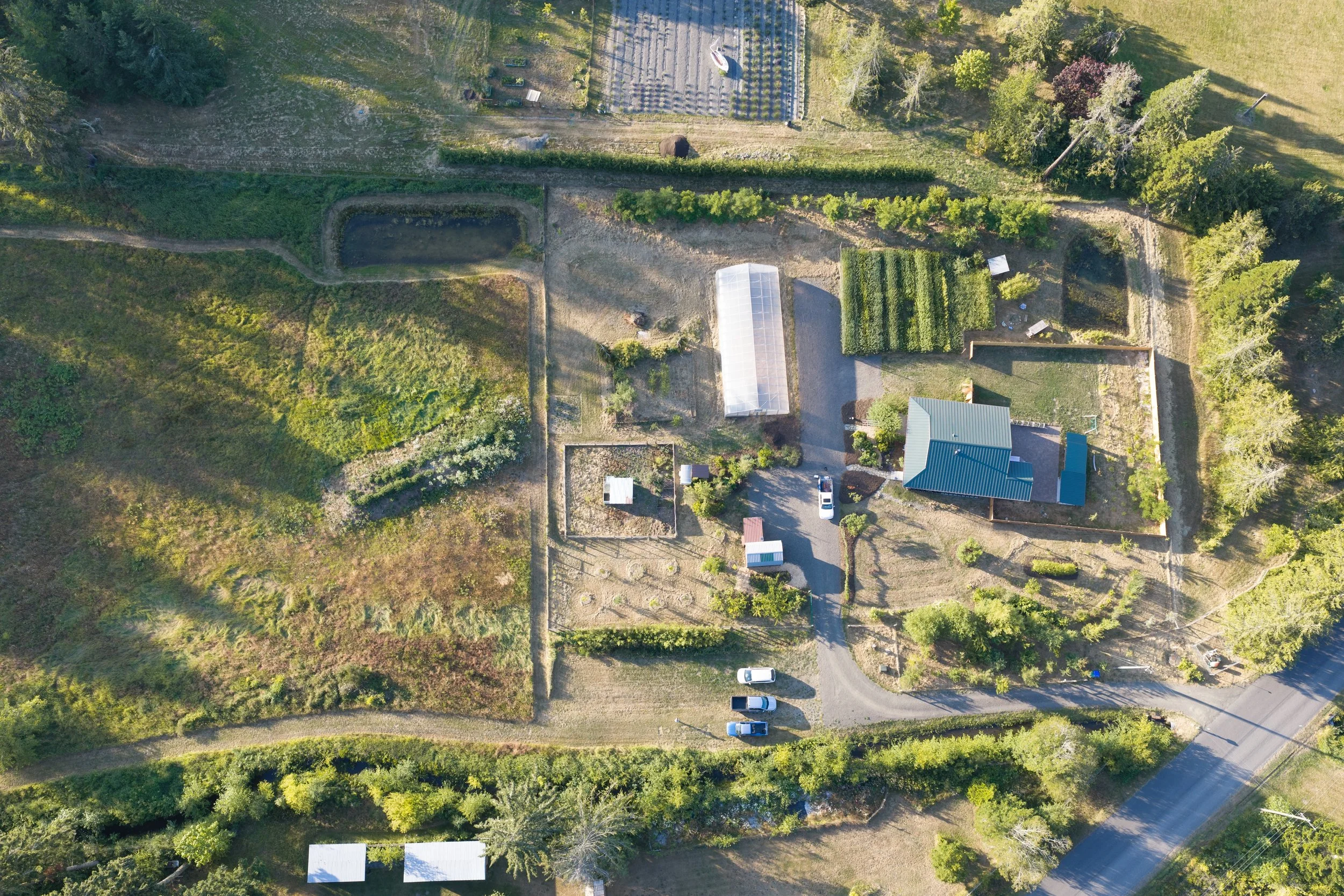
At the heart of Be Easy Farm is a living willow grove unlike any other. More than 3,000 basketry willows, representing twenty cultivated varieties, surround the home and reflect a decade of careful stewardship. Beyond the grove, four acres of open pasture, food forests, coppiced woodlots, and perennial gardens create a landscape rich with both purpose and possibility.
Notable features include:
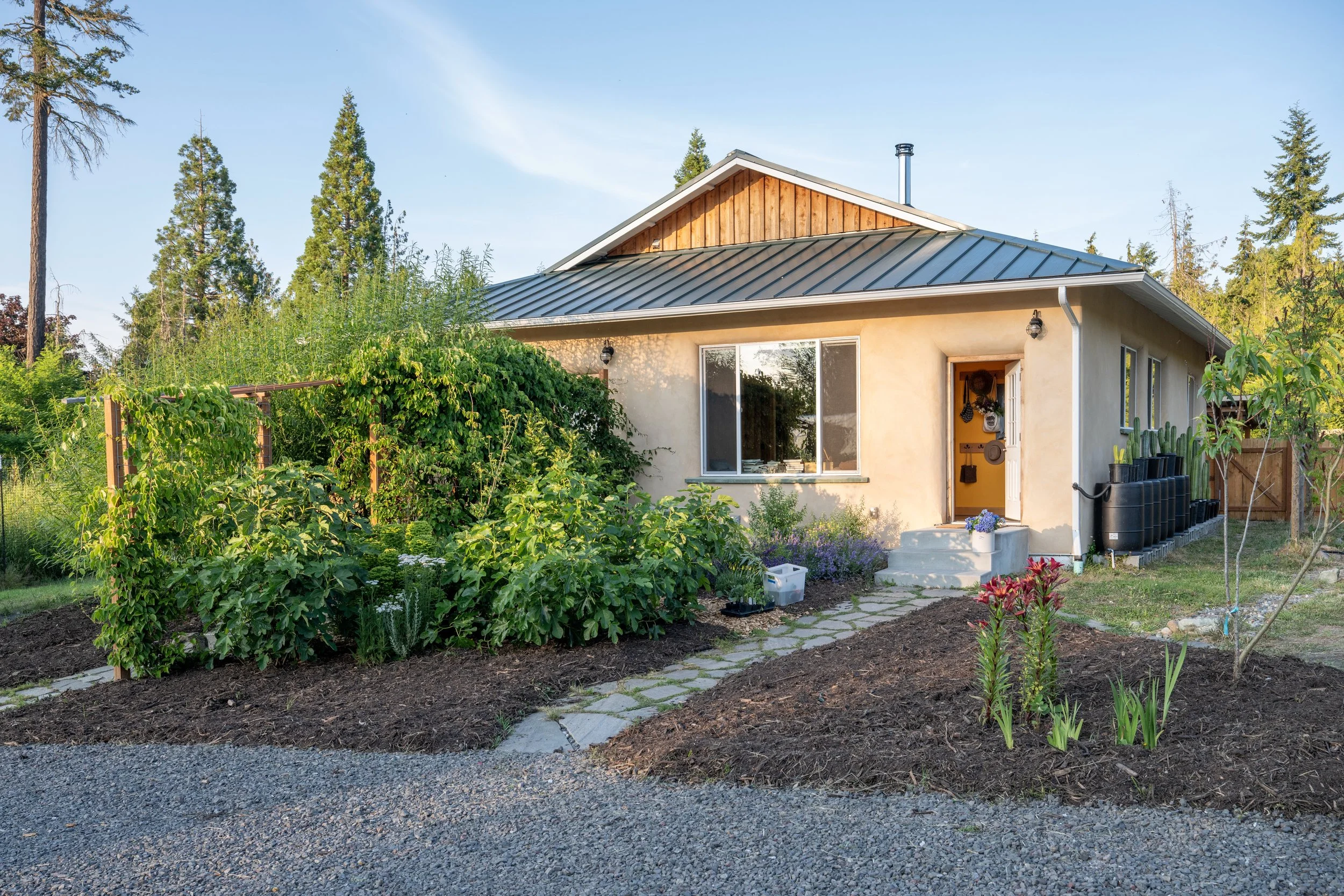
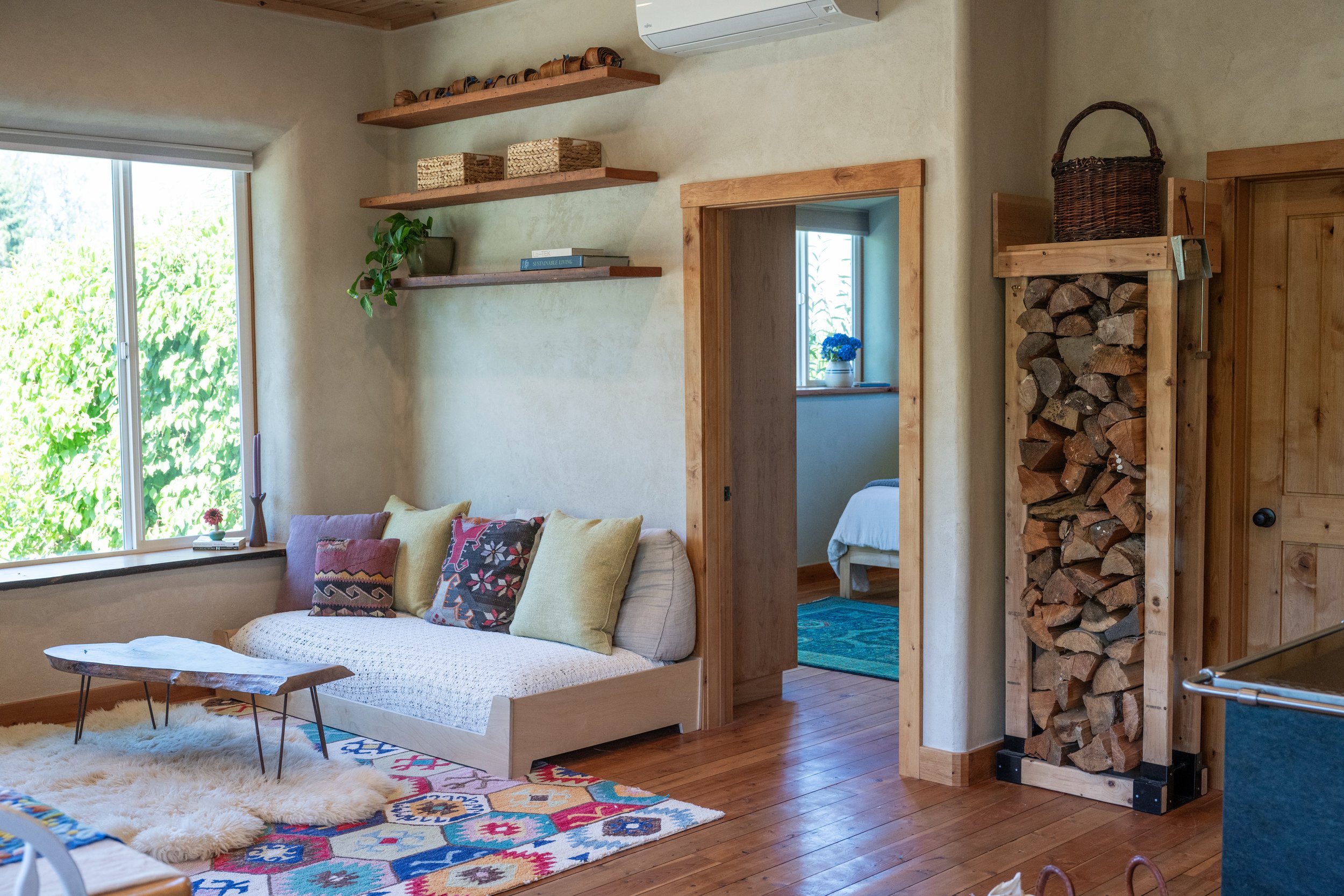
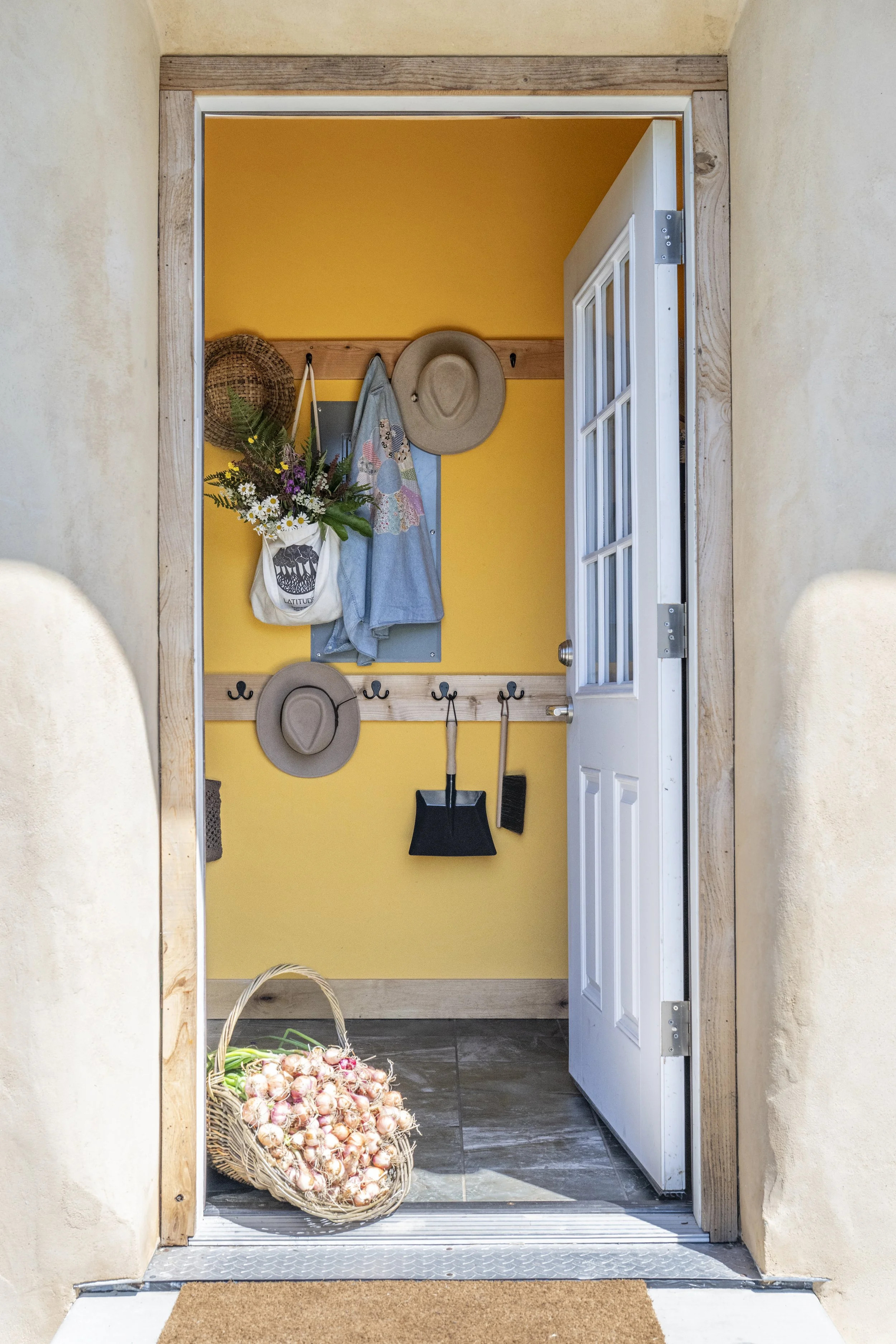
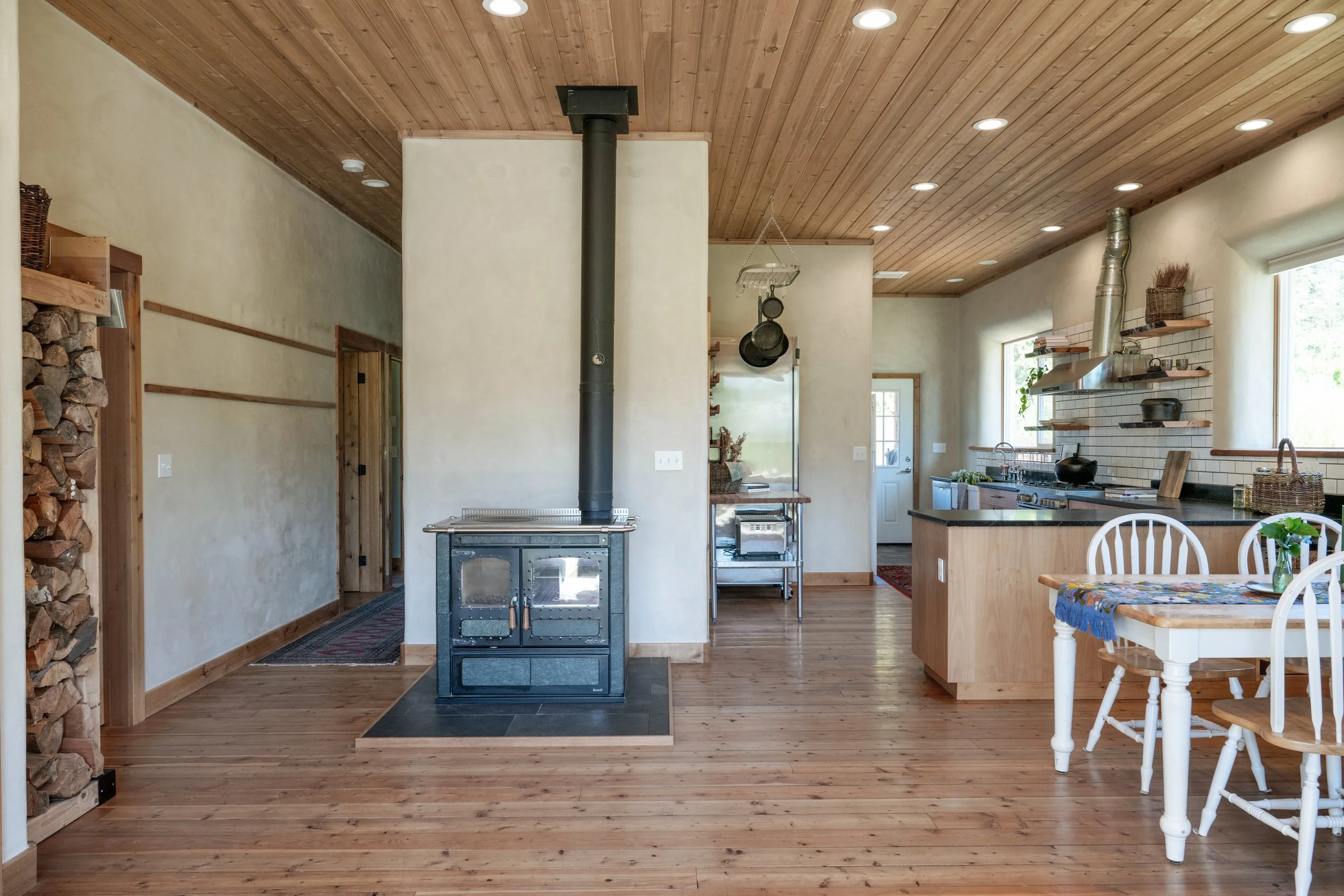
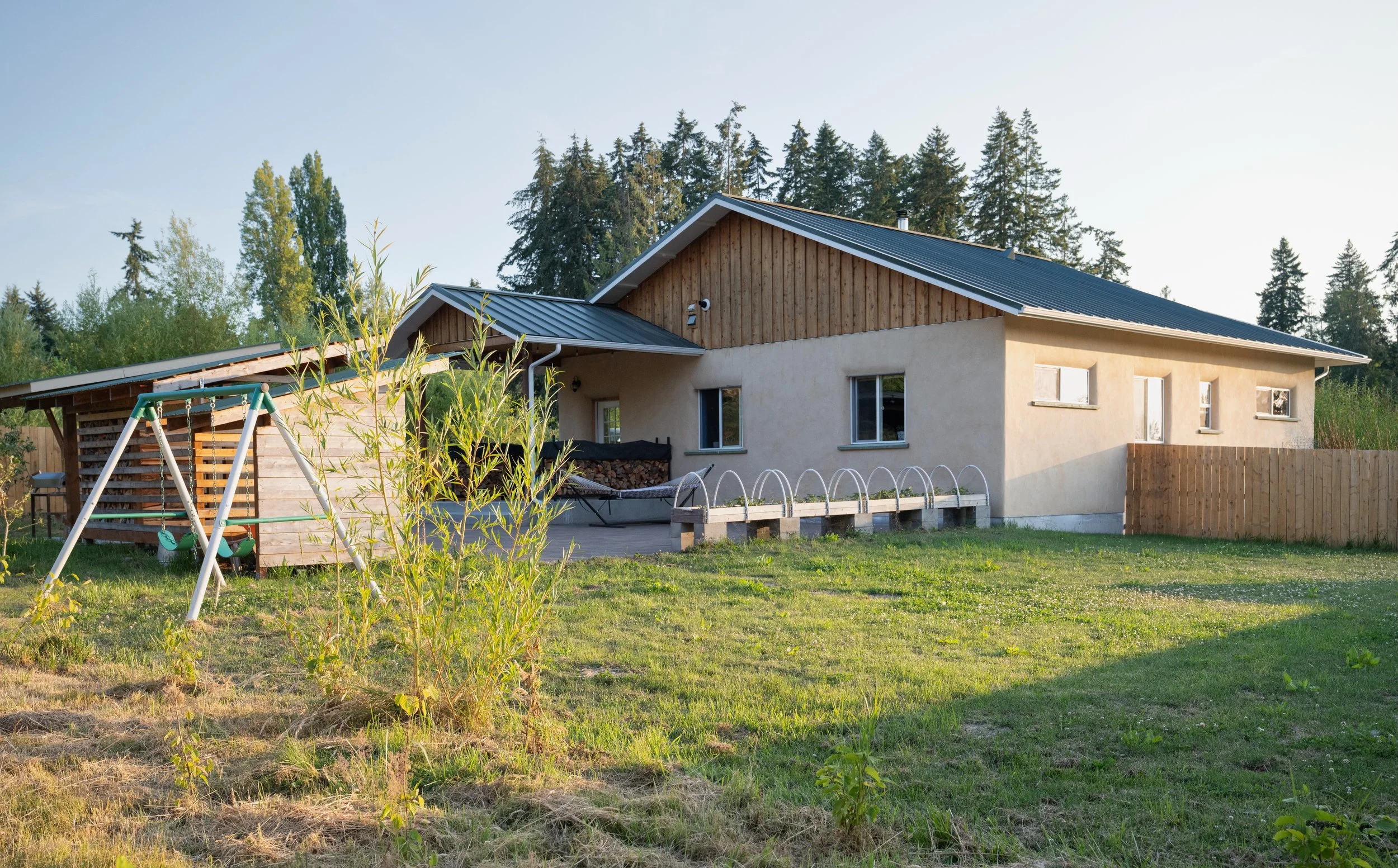
Handcrafted straw bale home with clay plaster made from soil harvested on-site
Exceptional thermal performance with R40 insulation
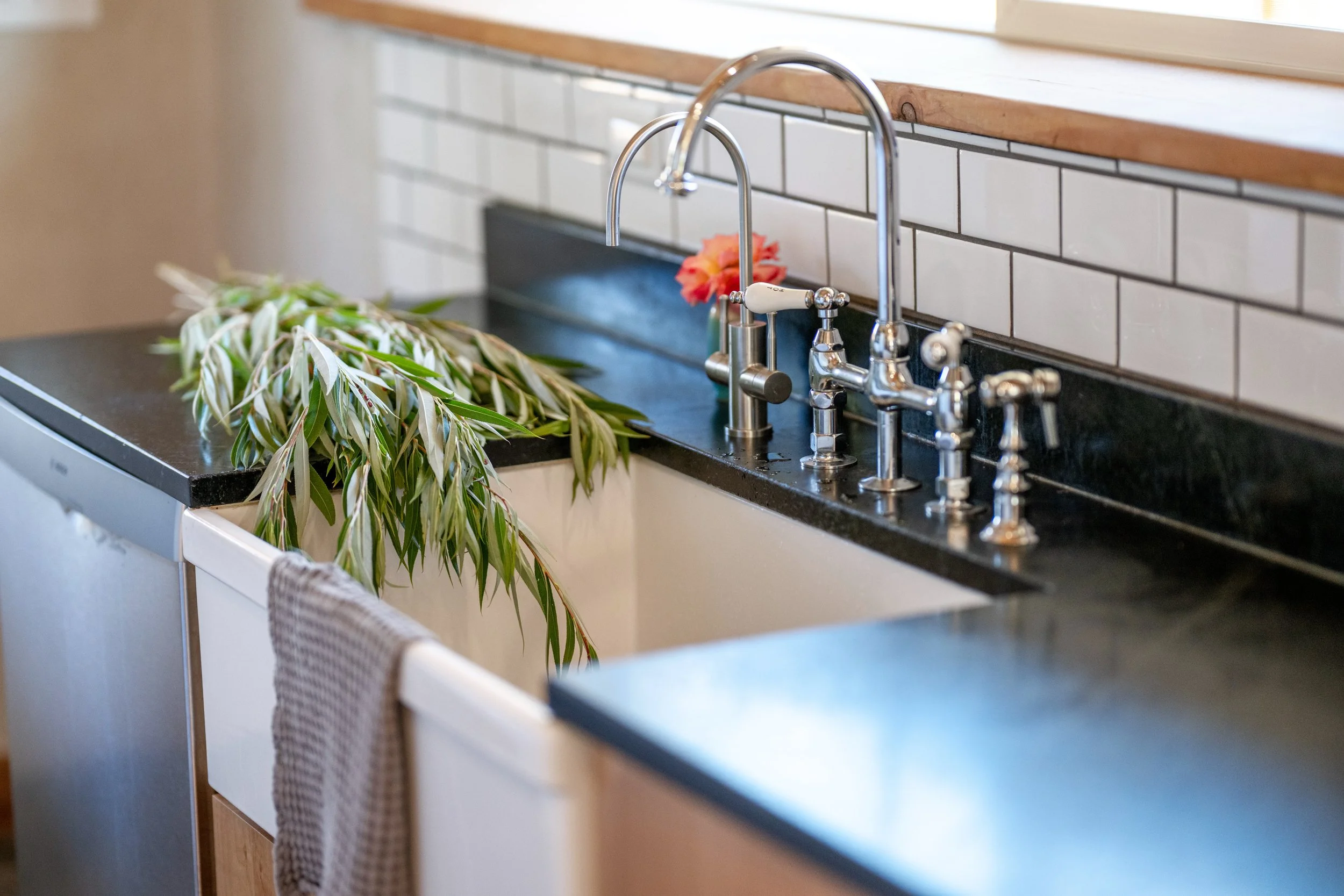
Spring Aqua kitchen water filter and whole home water softener system
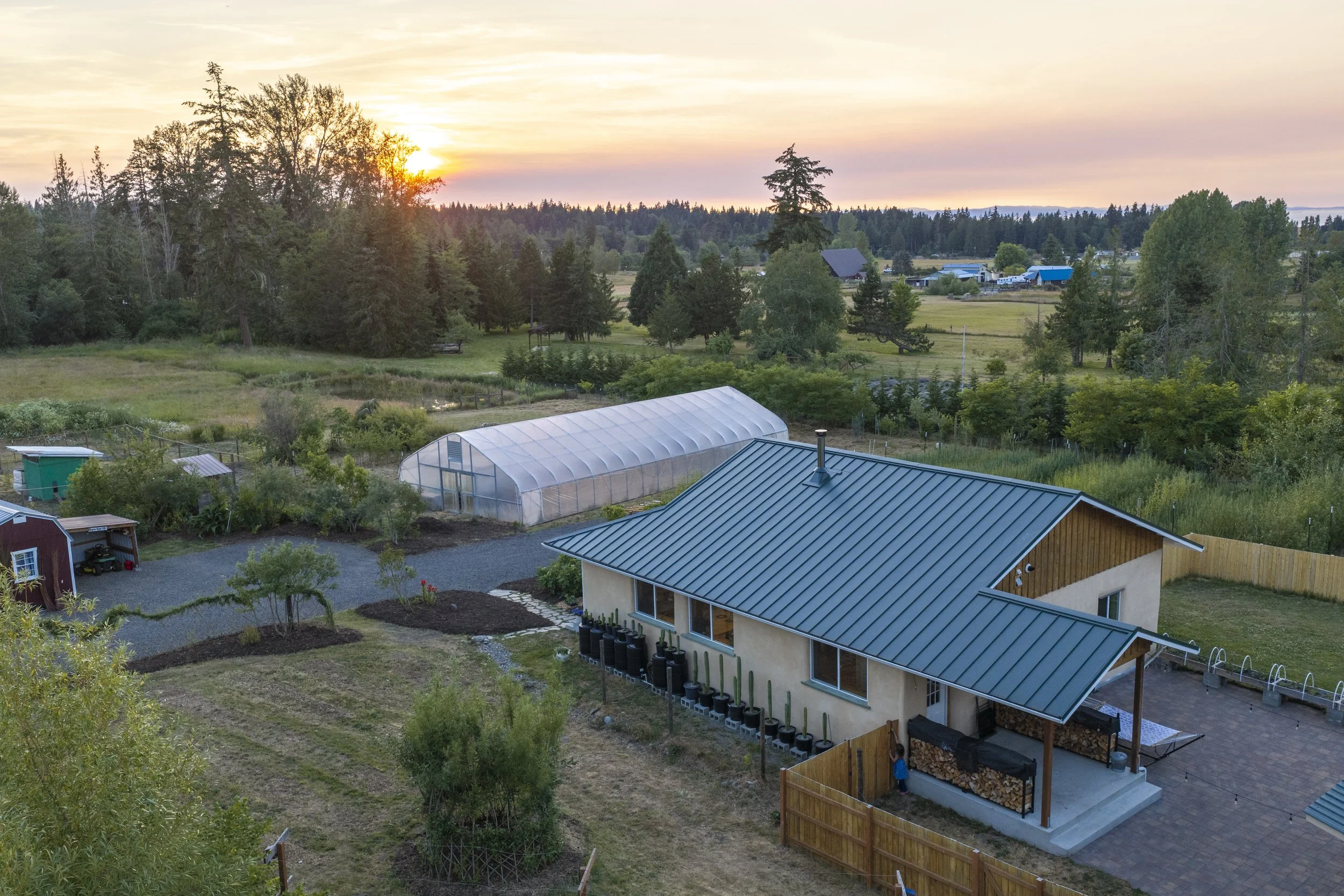
Passive solar orientation with expansive western views and excellent sunset exposure
6.2 acres with approximately four acres of open pasture and established growing areas
More than 3,000 basketry willow trees representing over twenty cultivated varieties
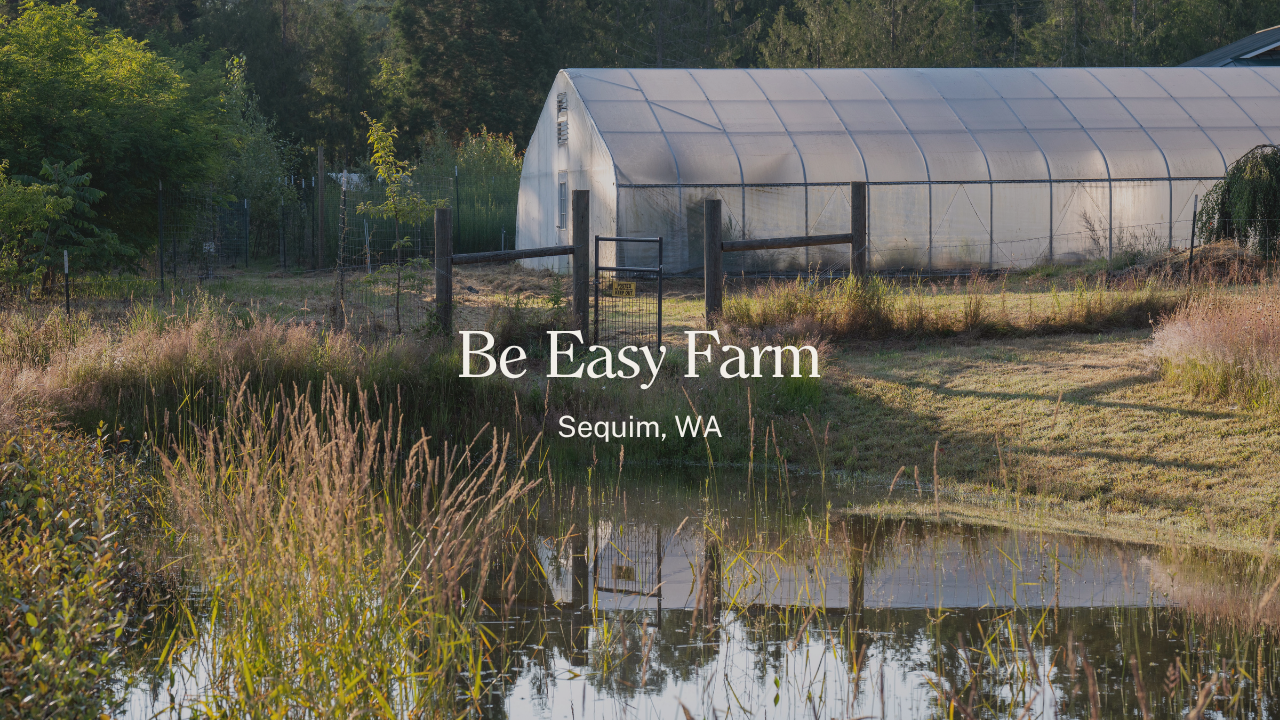
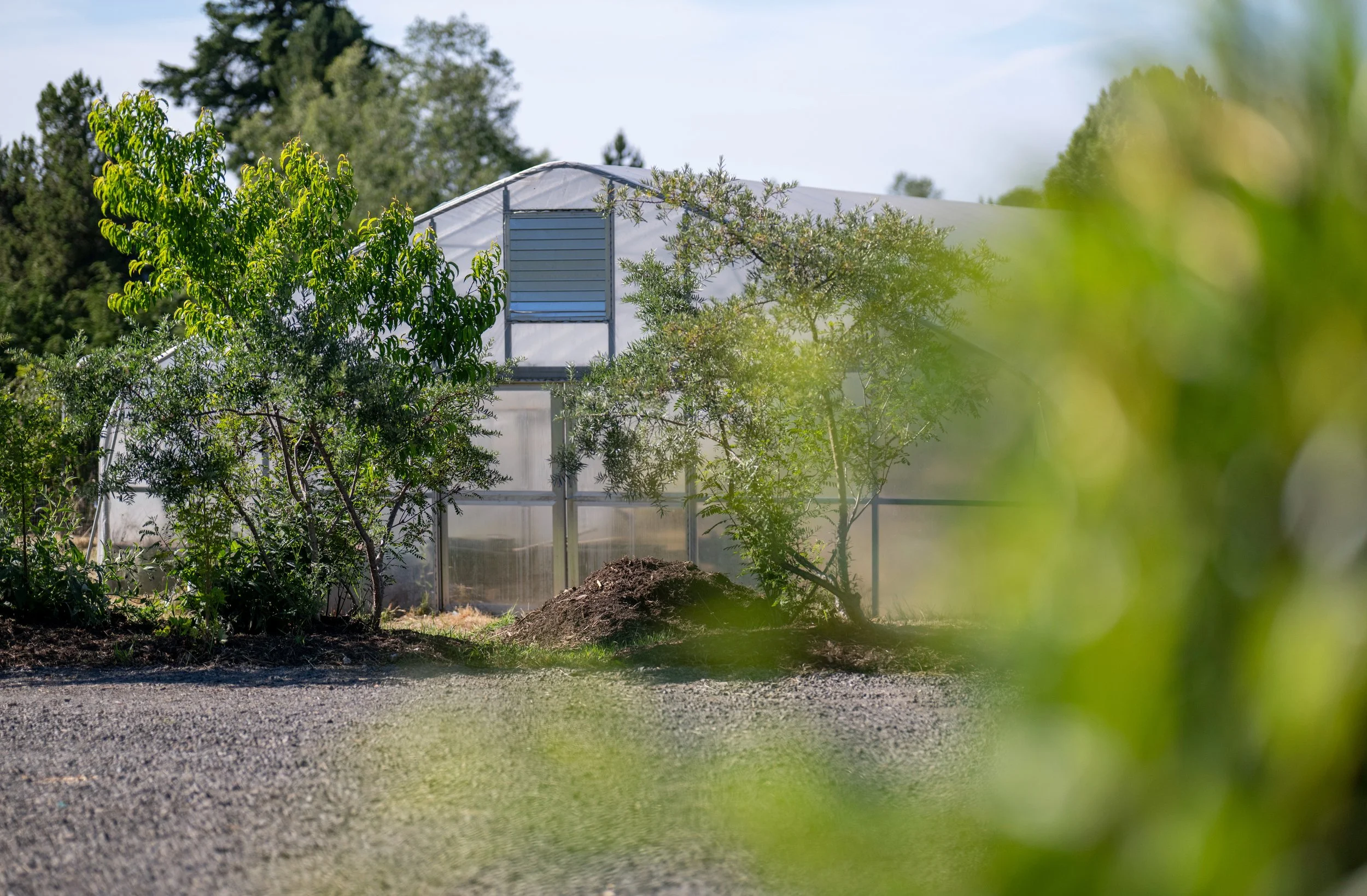
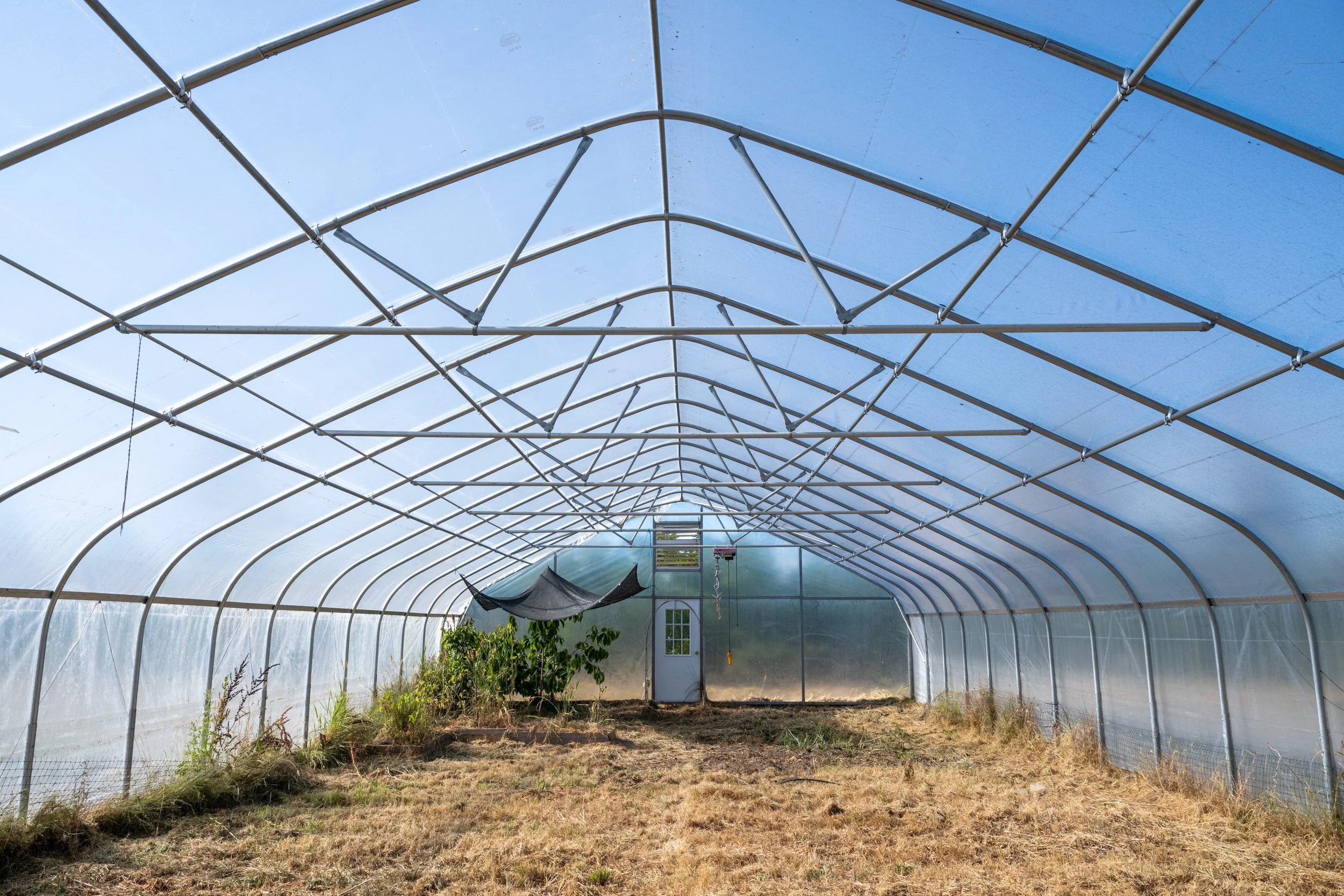
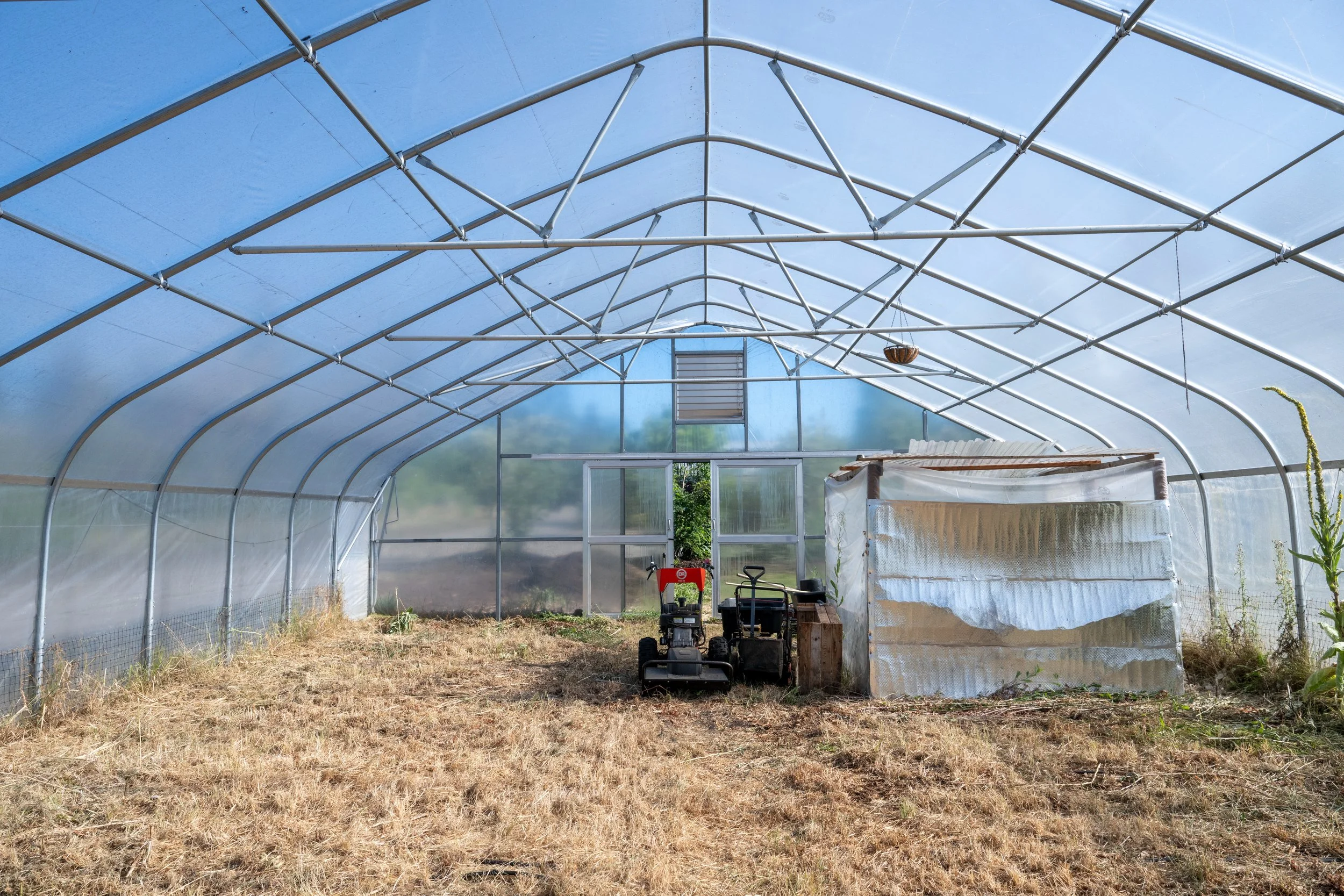
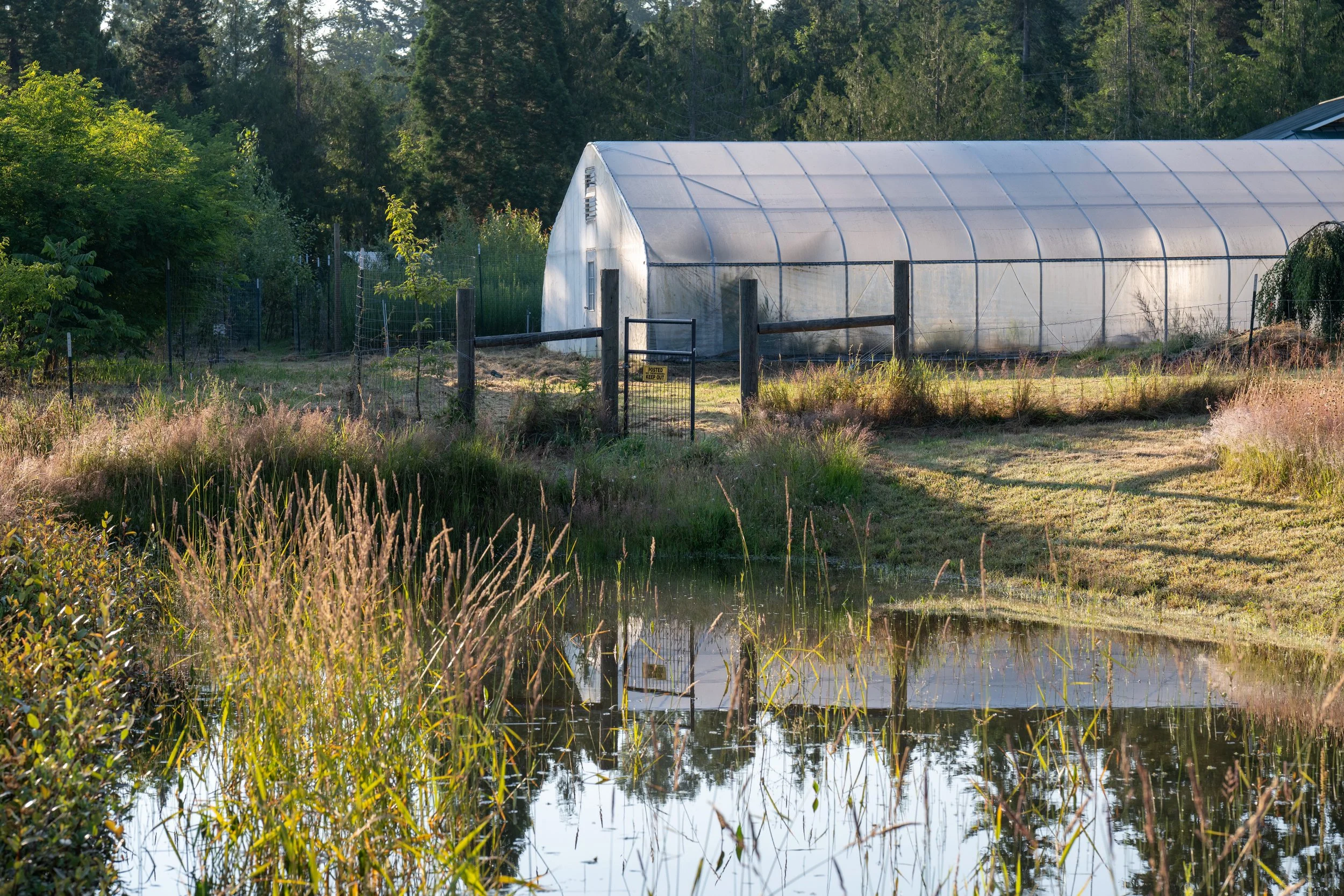
30-by-70-foot hoop house for year-round food production
Mature food forests, orchard plantings, and perennial edible gardens
Tree nursery with dedicated production and willow propagation areas
Annual willow harvests suitable for basketry, living cuttings, and propagation stock
Black locust plantings managed for coppiced timber on a seven- to ten-year rotation
Hazel coppice and mid-cycle forestry systems integrated with the annual willow harvest
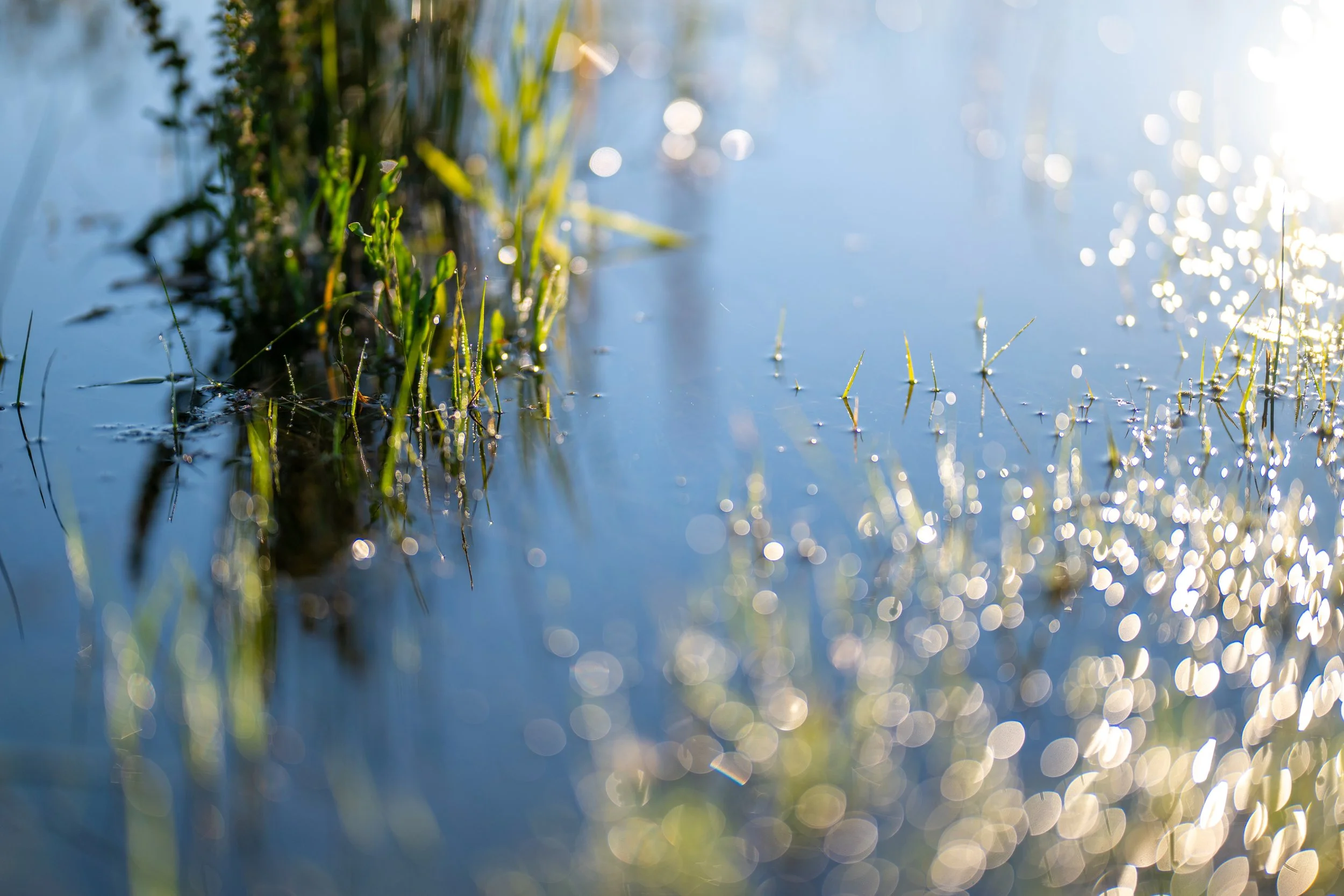
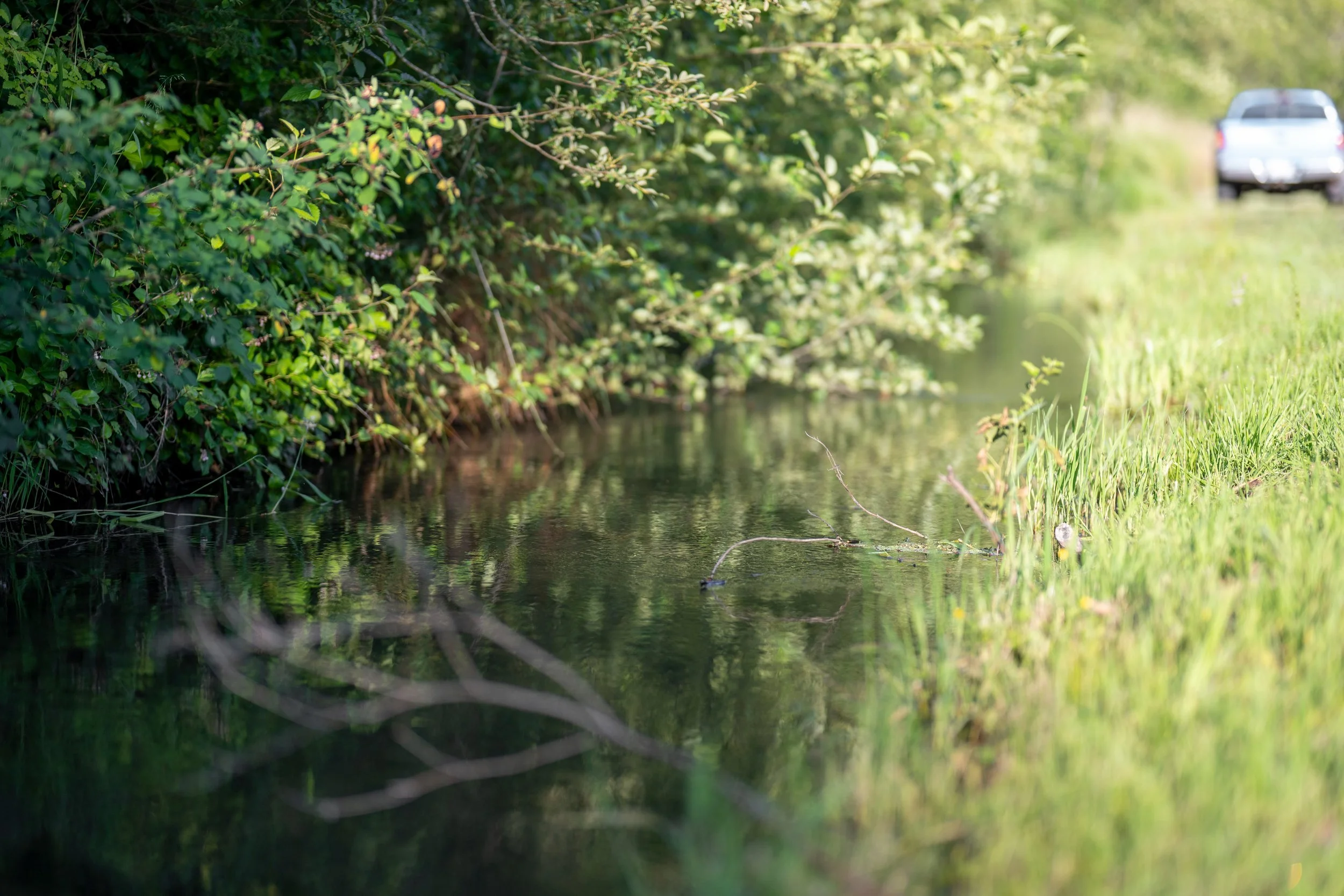
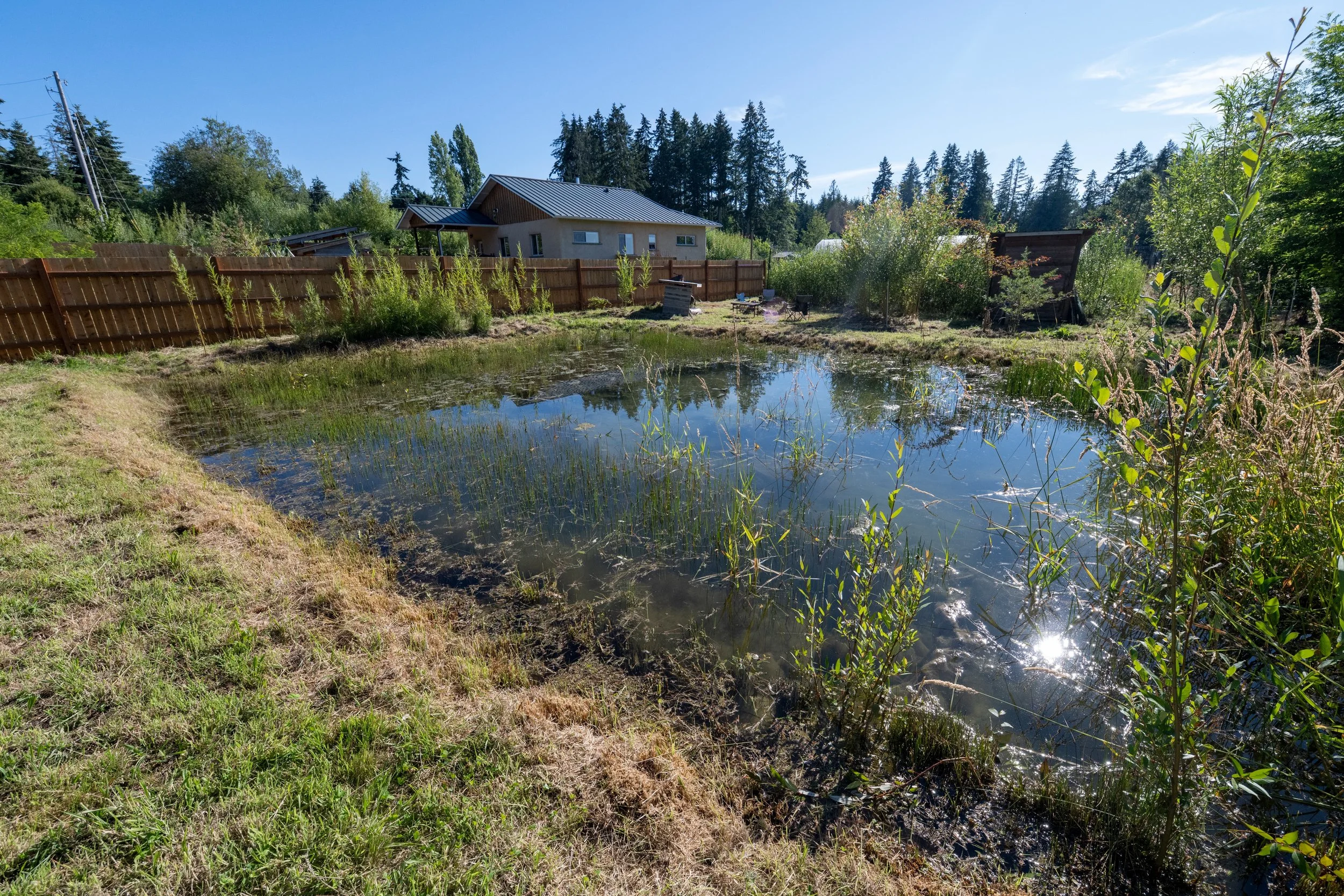
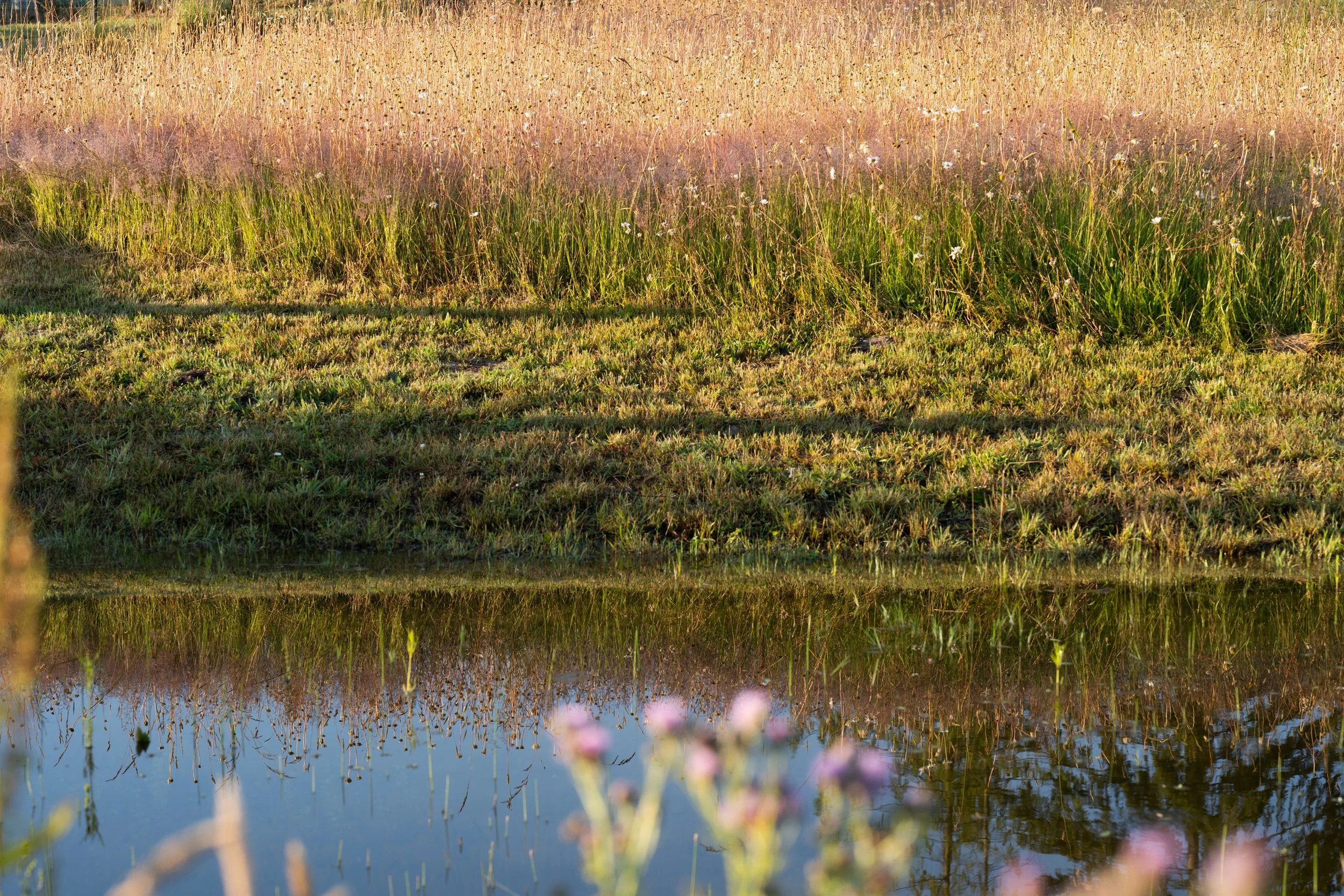
Two wildlife ponds that support frogs, amphibians, birds, and other native wildlife
Established walking trails throughout the property
4 acres of pasture
Irrigation water rights
Private well with a dedicated well house
Septic system designed with the future addition of a two-bedroom ADU, workshop, or garage in mind
Story of Place
Woven Into the Land
Before there was a home, a willow grove, or a food forest, there was an open field and a question:
What is this place asking to become?
When the owners first arrived, the land was largely pasture, with tall grasses, an irrigation ditch, and a single well casing rising from the earth. Rather than rushing into construction, they spent their first year observing.
They watched where water gathered after winter rains, how sunlight moved across the property through the seasons, and where birds and wildlife naturally returned. They believed the land already held its own intelligence. Their role was to learn from it before changing it.
One evening, while sleeping beneath the stars, a barn owl passed silently overhead. It was not taken as a sign so much as a quiet reminder to remain attentive. That moment became an early touchstone for the years that followed: stewardship begins by listening.
“This place has taught me to pay attention. To keep my eyes open. To listen more closely. And to trust that there is a tremendous amount of wisdom available in the world around us if we're willing to slow down enough to receive it."
– Owner
Building in Relationship
The handcrafted straw bale home emerged from that same spirit of attention. Carefully oriented for passive solar performance and built with natural materials, it was designed as a quiet, light-filled, elegant sanctuary in close relationship with the land.
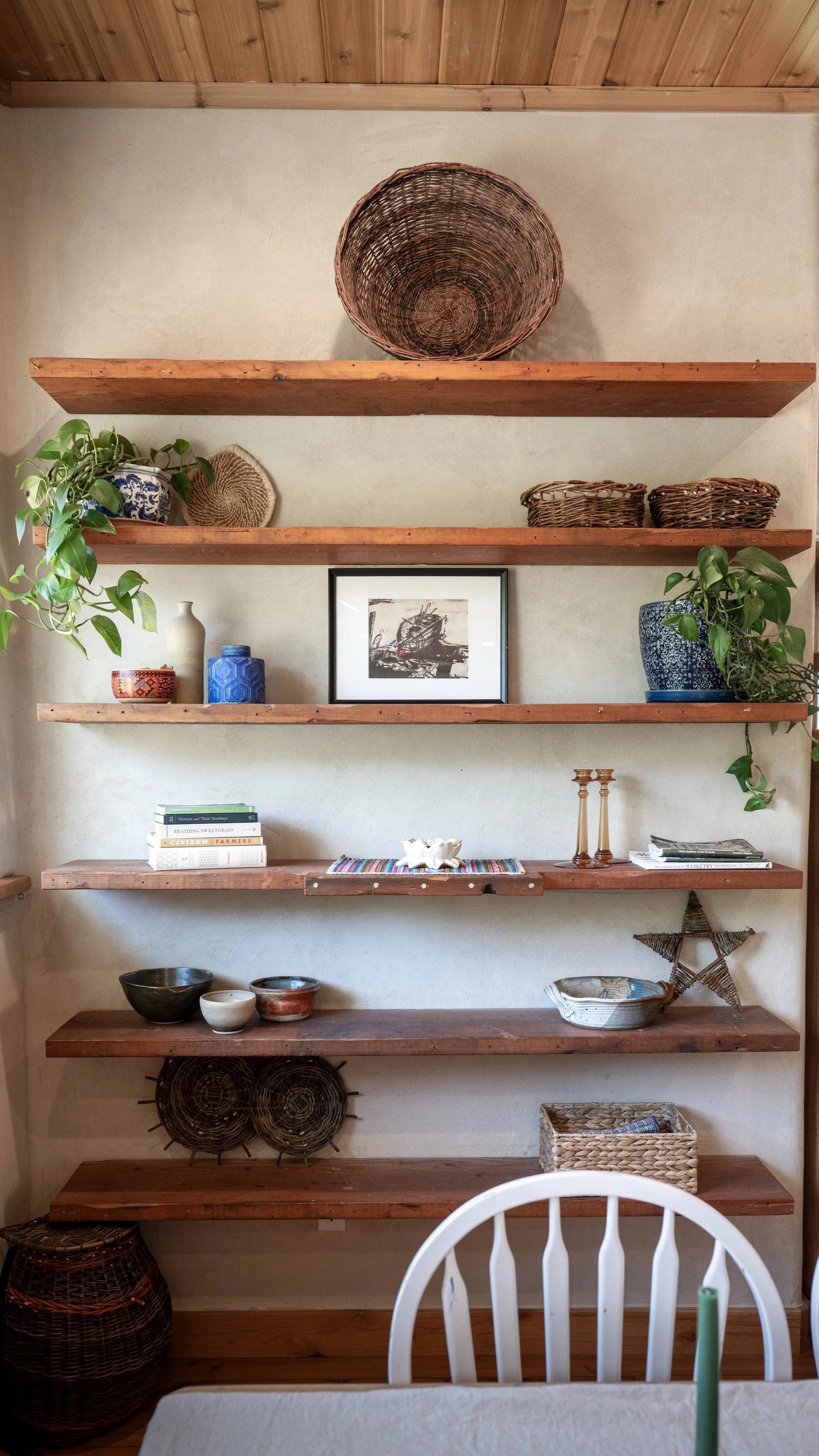
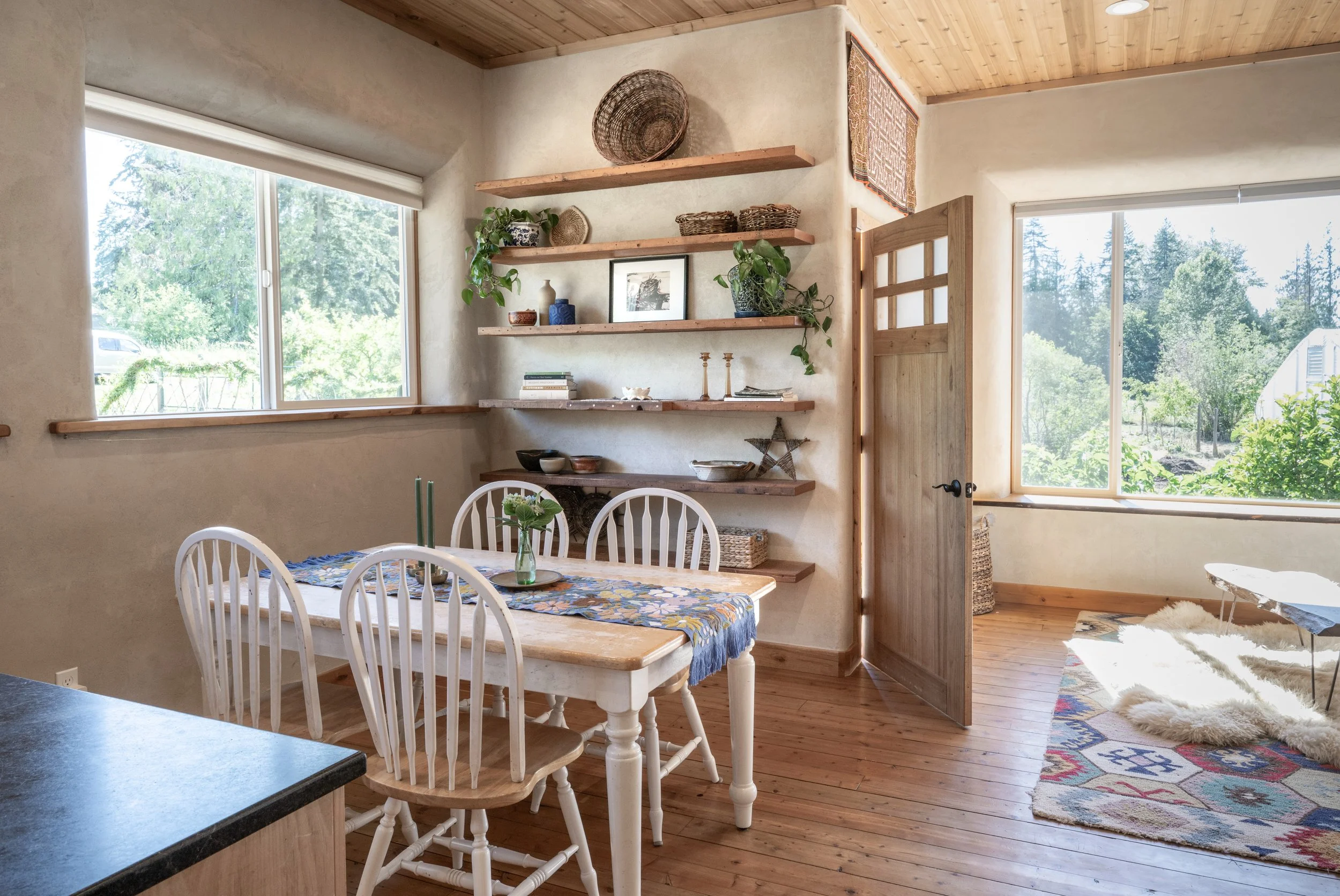
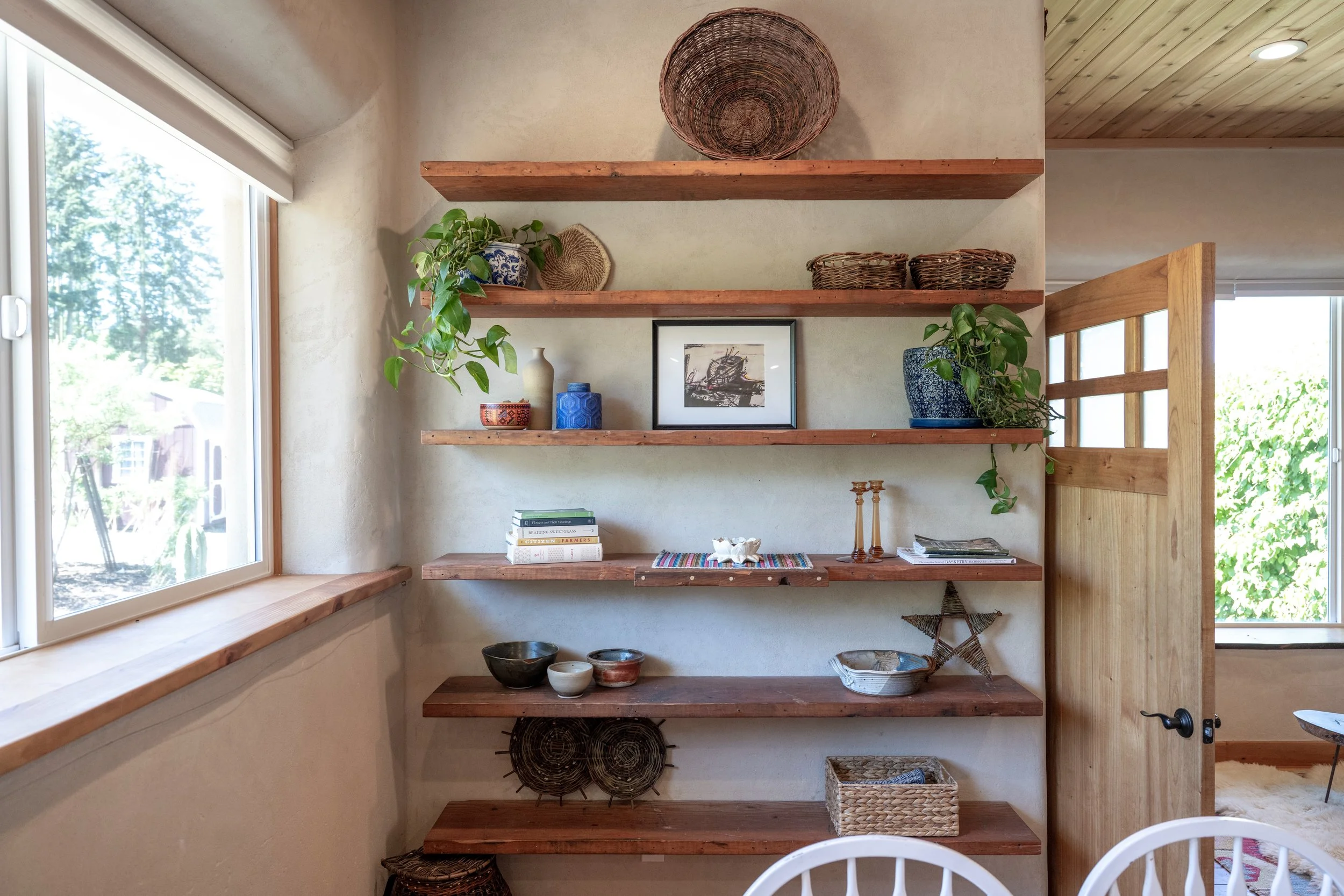
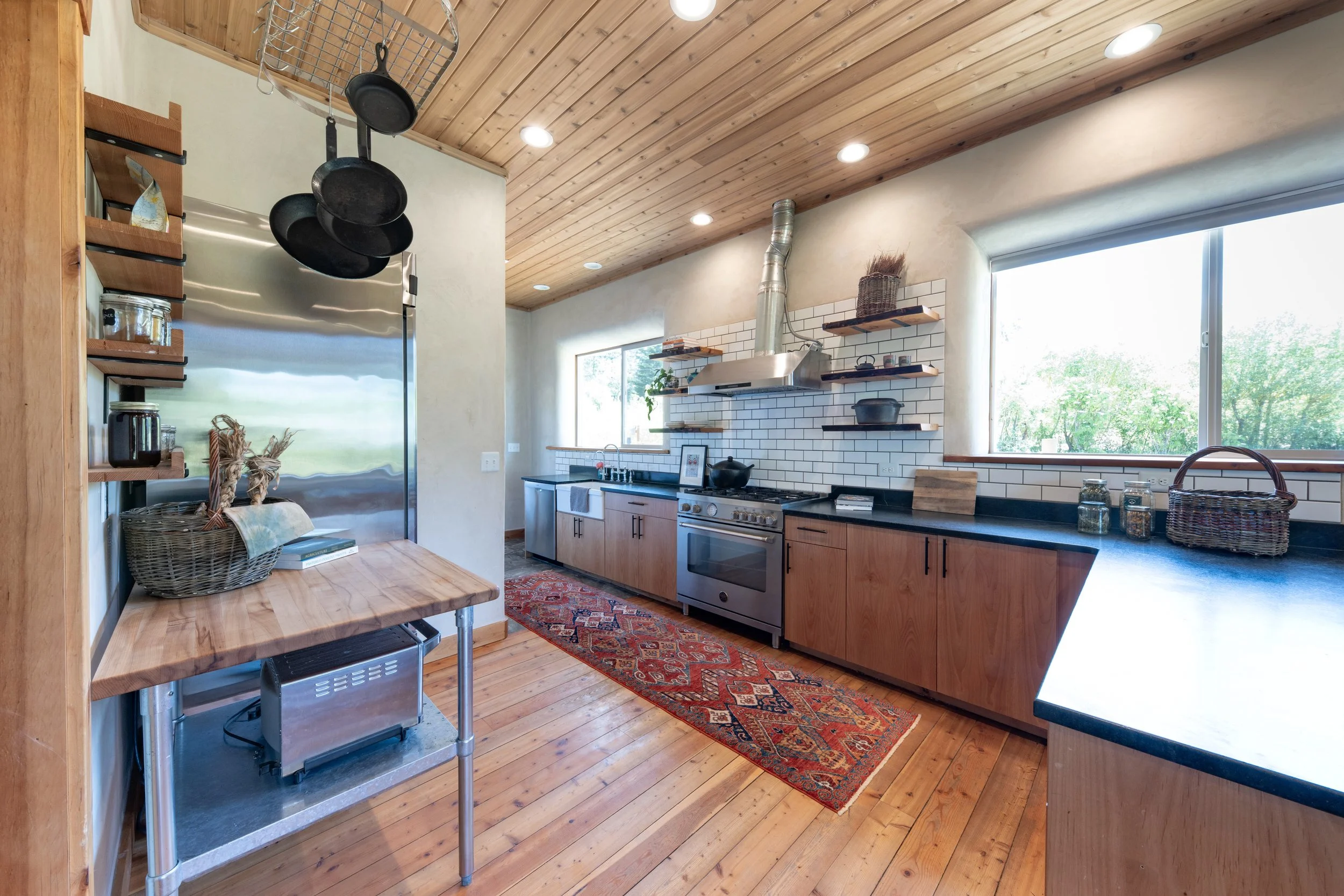
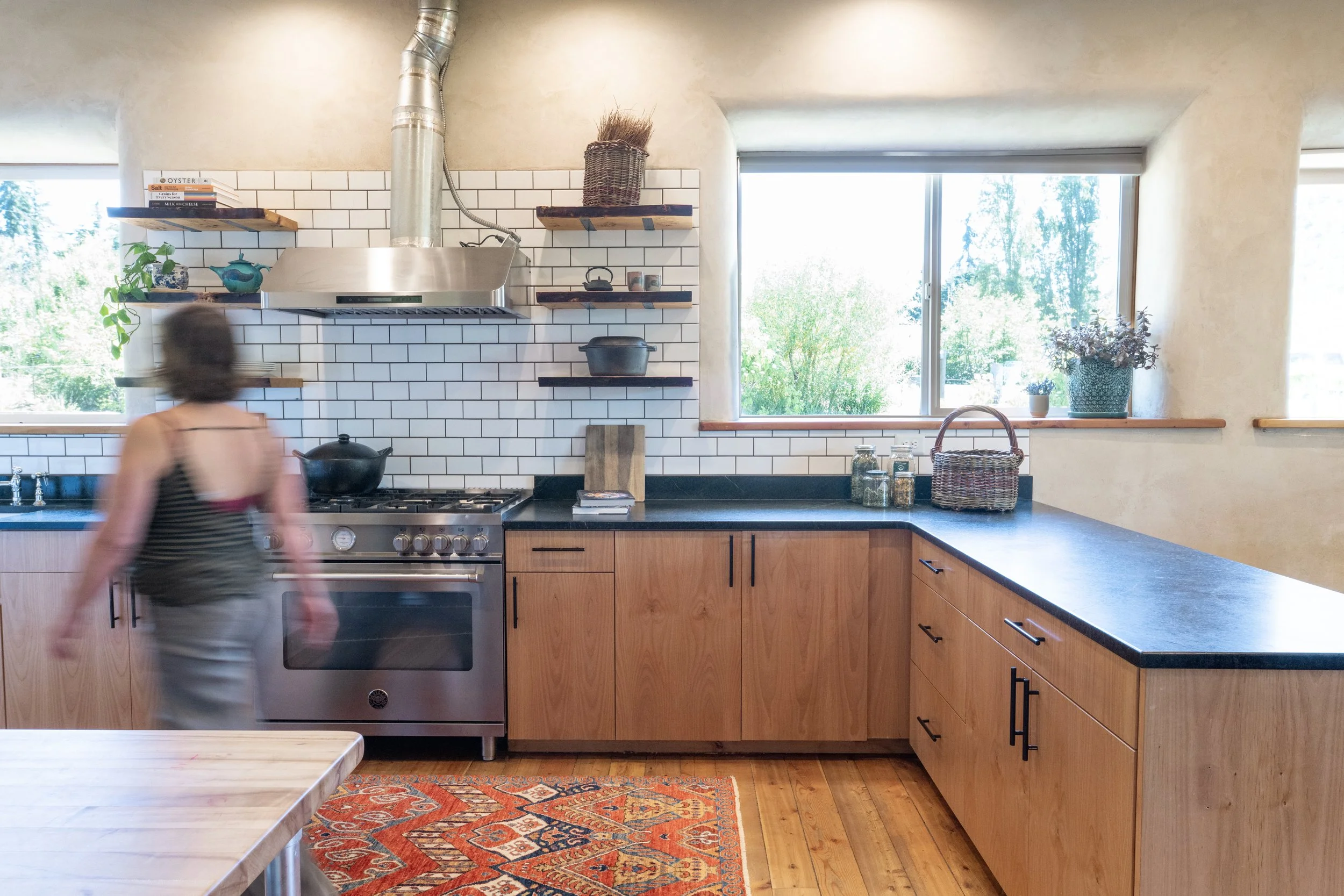
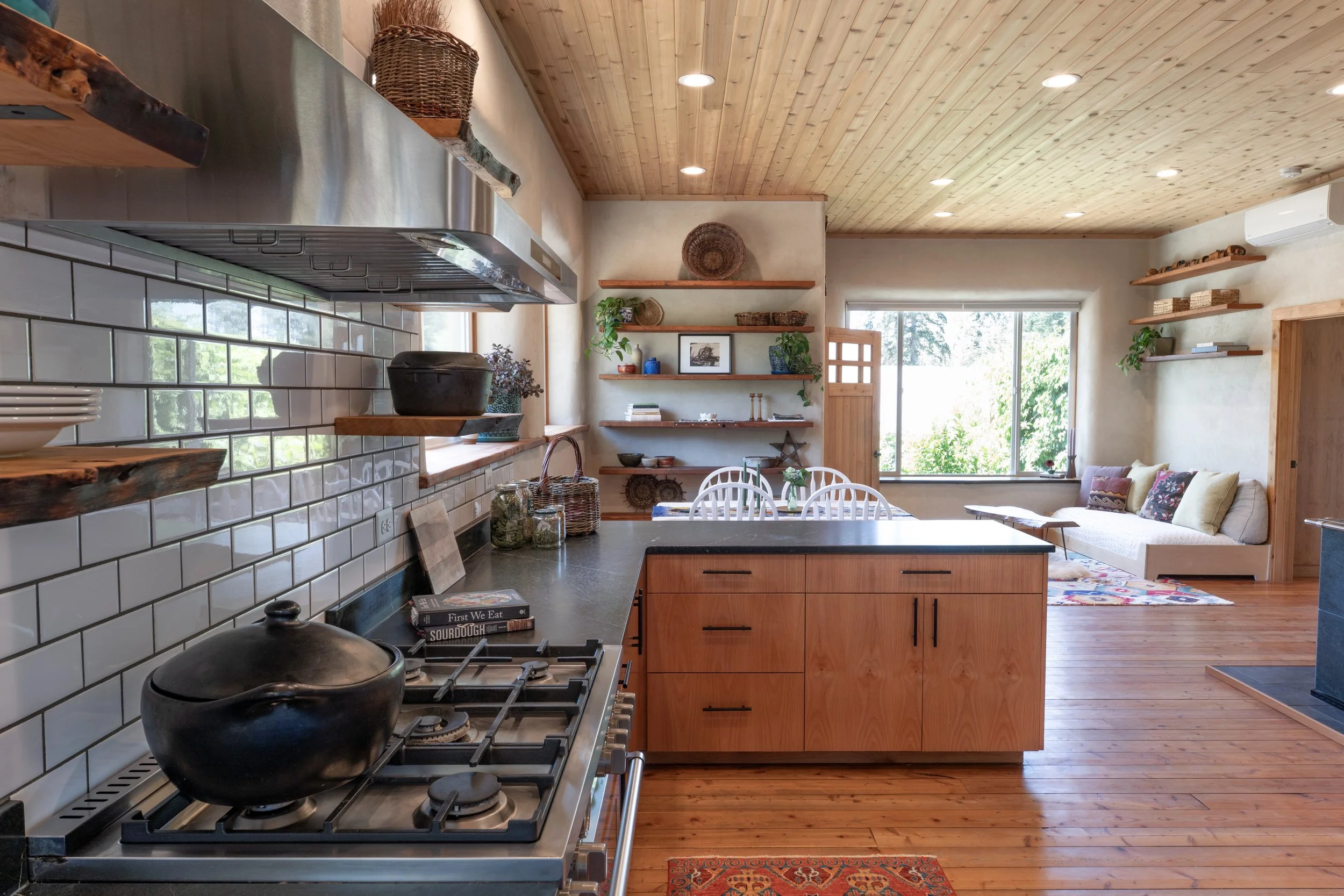
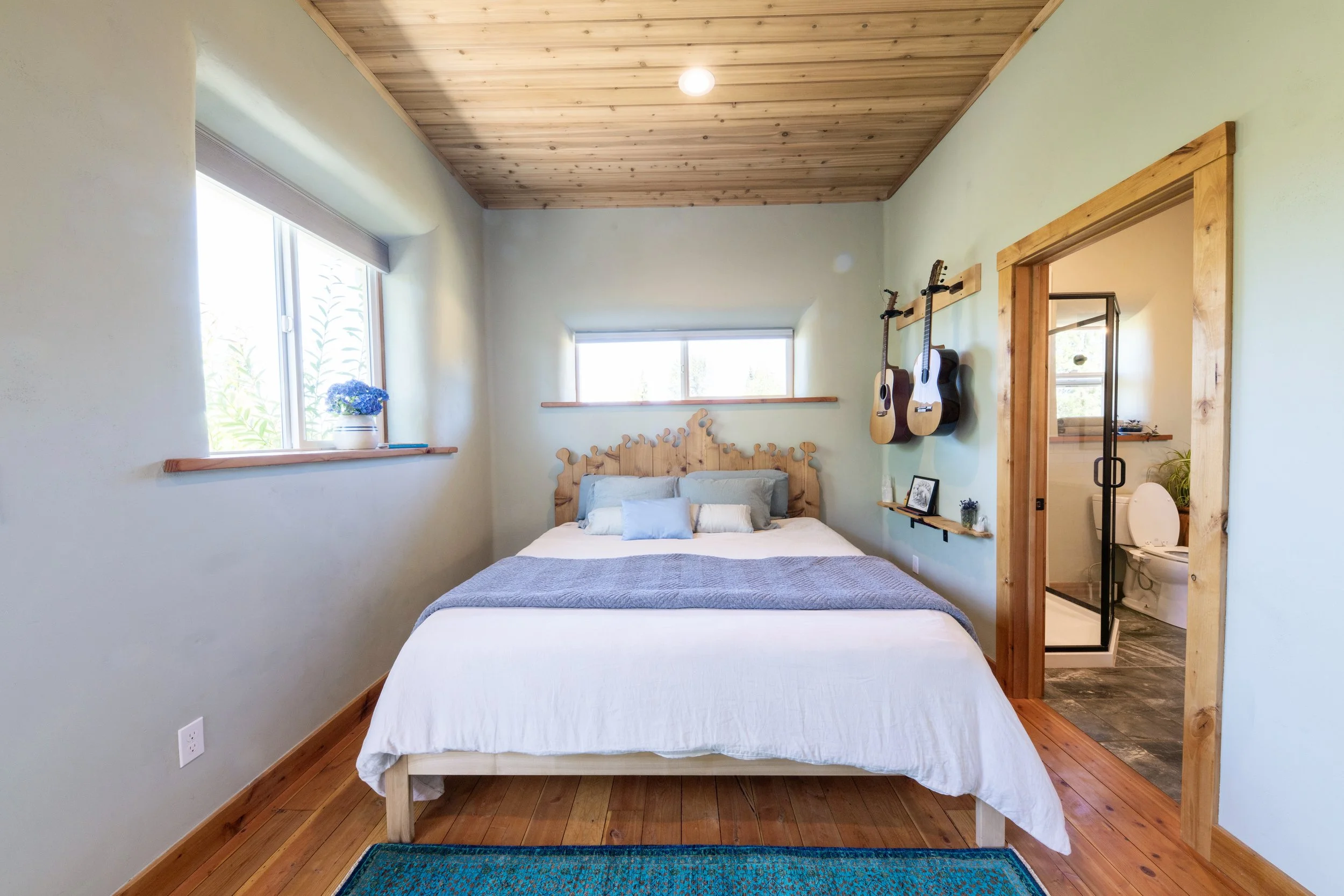
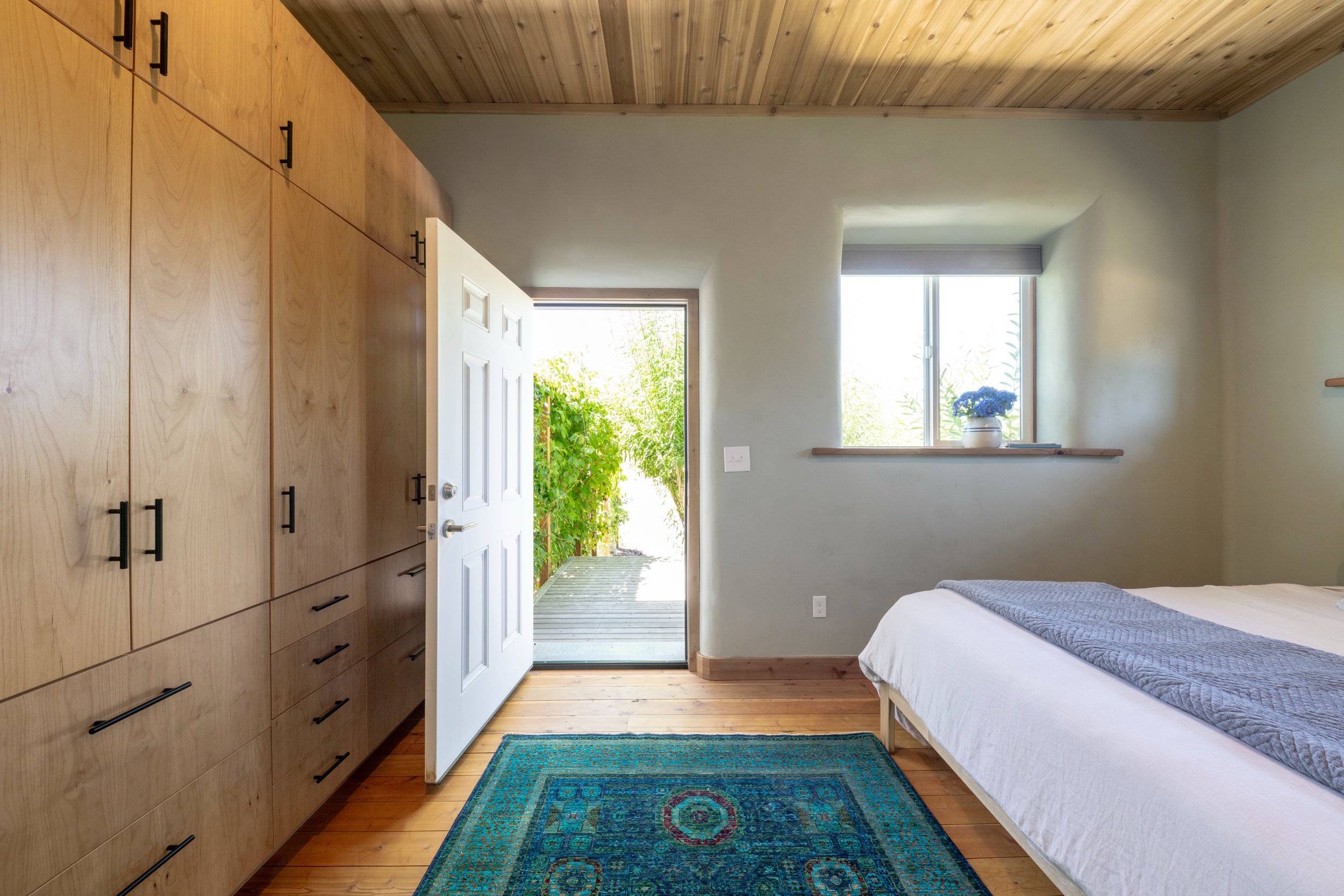
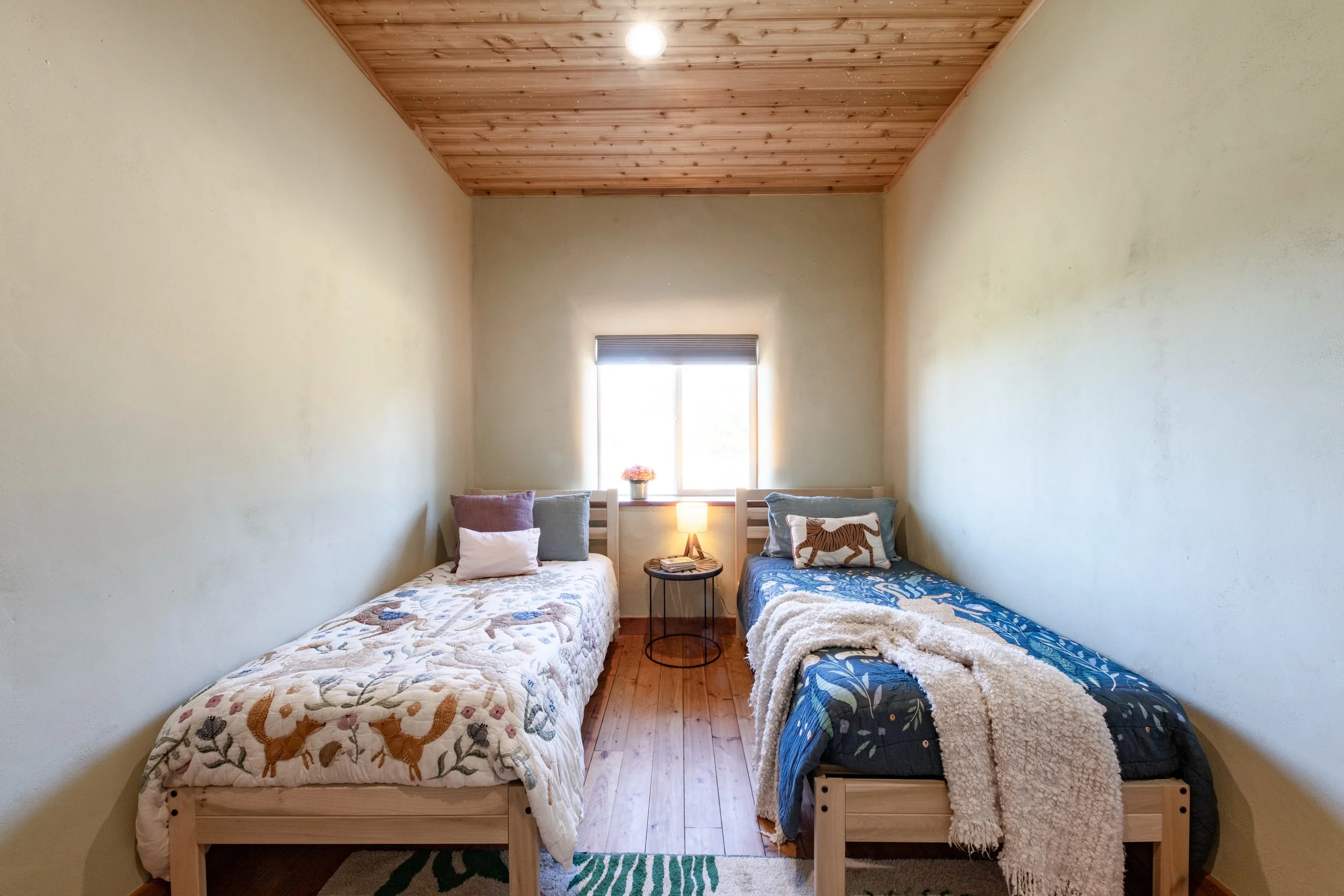
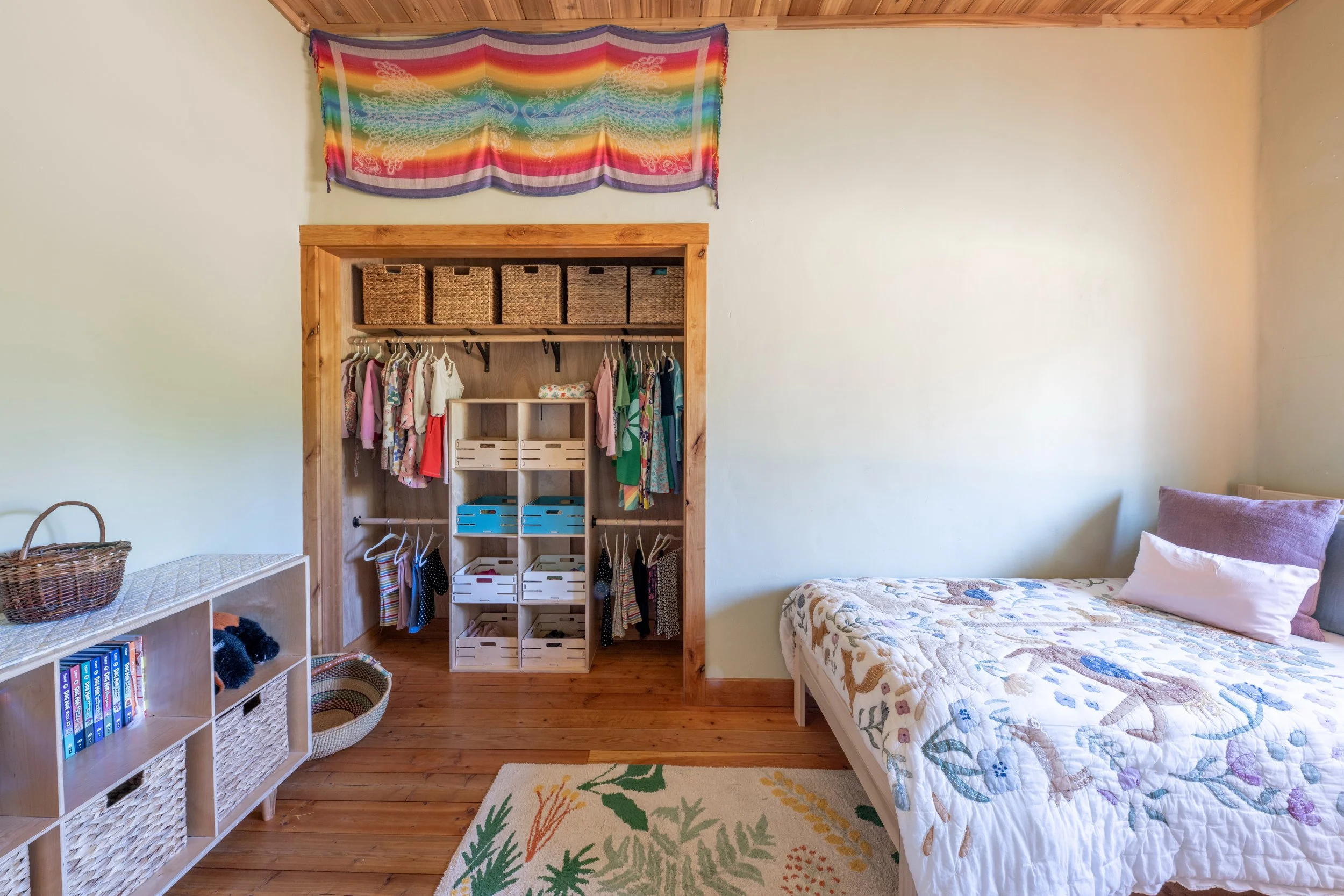
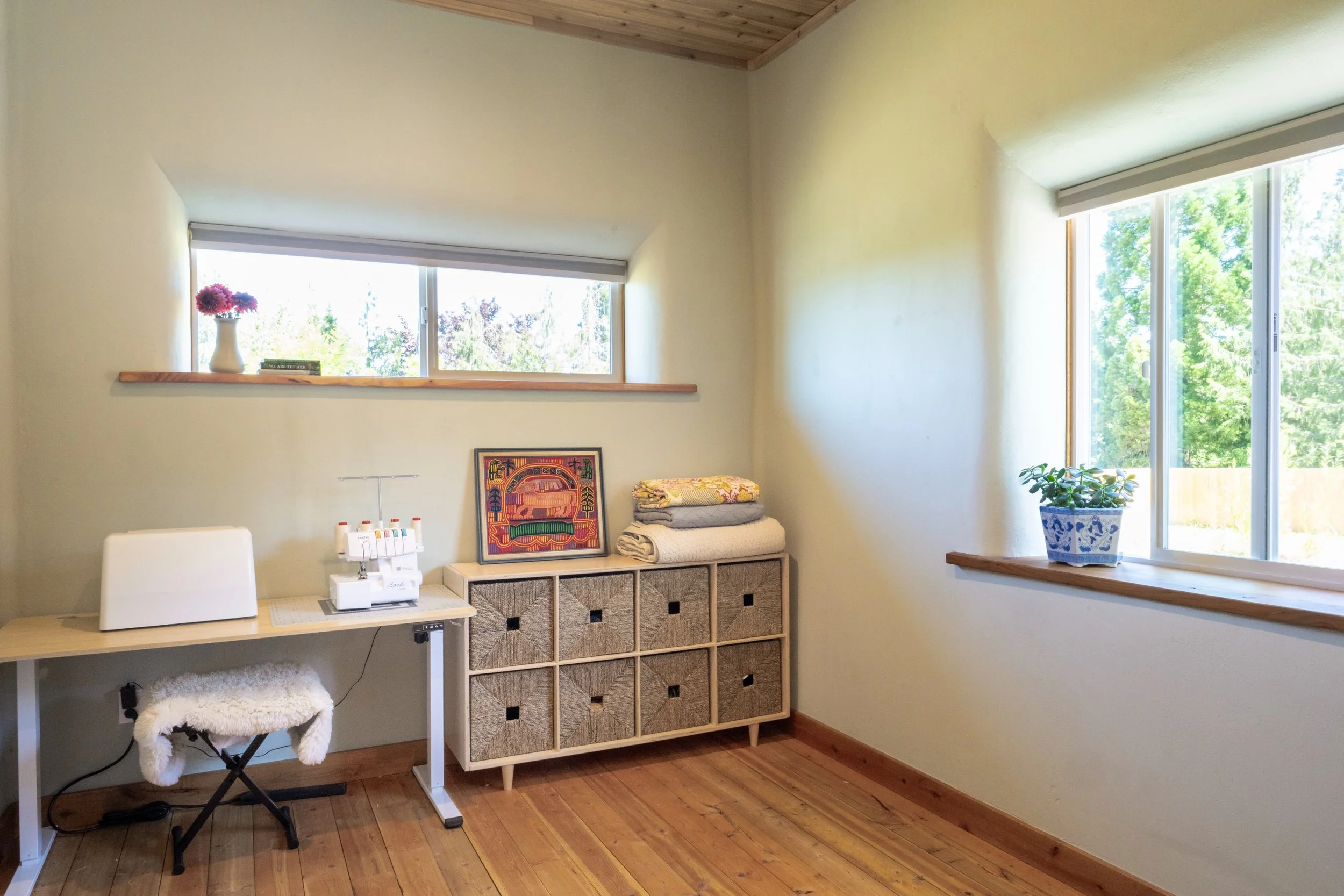
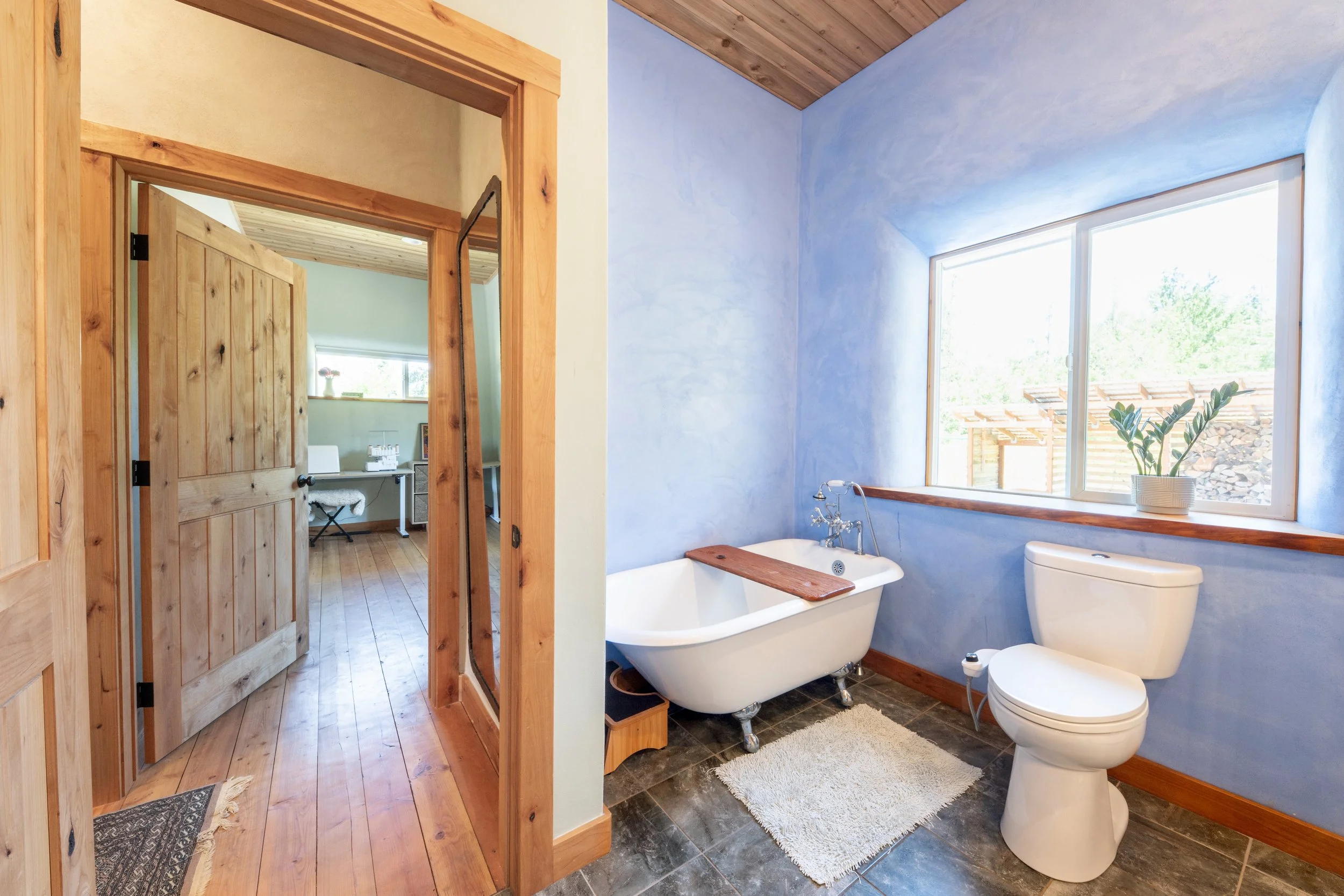
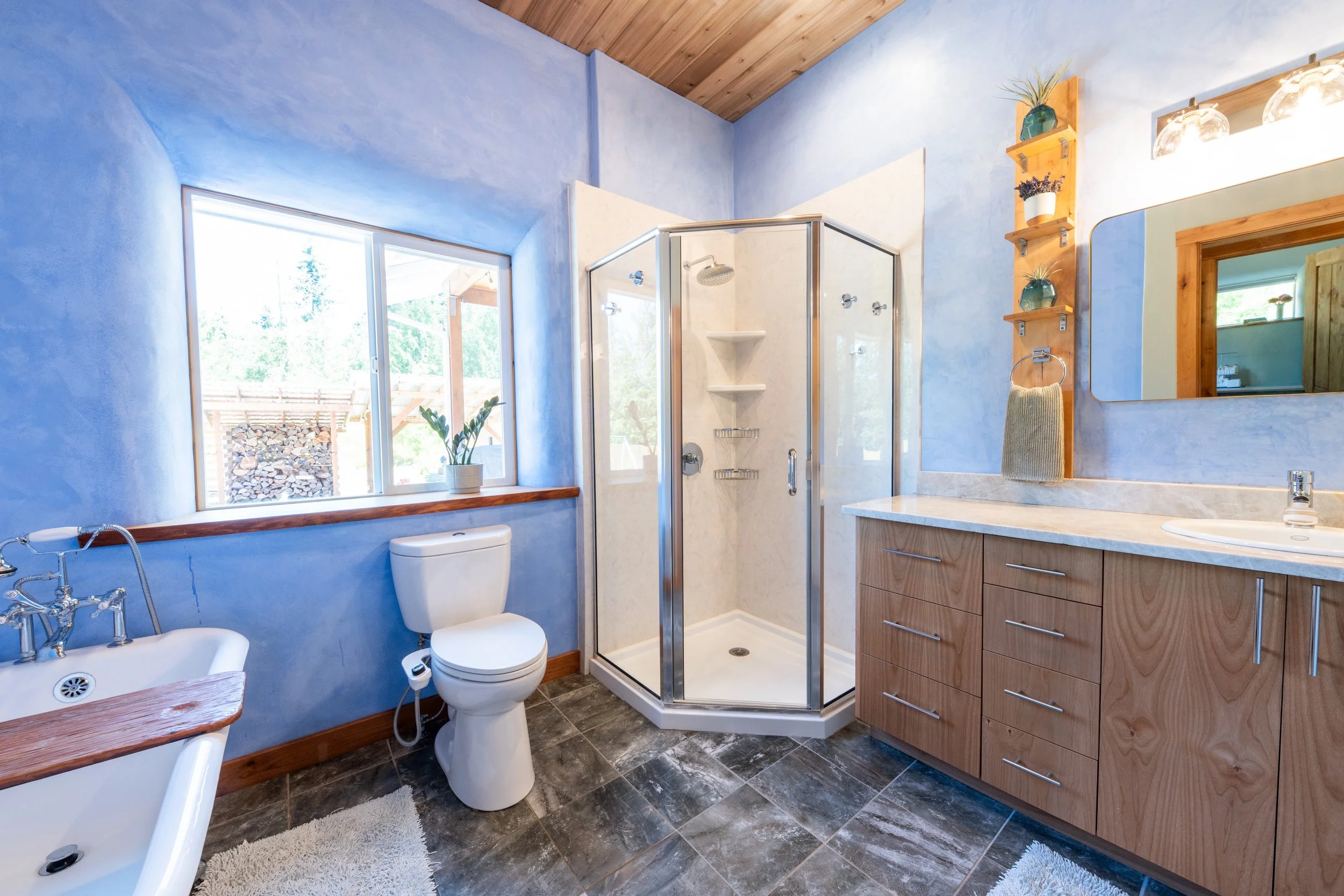
Inside, clay plaster made with soil excavated from the site gives the walls a warm, tactile quality. Wood floors and ceilings bring richness and continuity throughout the home, while ten-foot ceilings and generous windows fill the rooms with natural light. The deep windowsills—nearly the full width of a straw bale—create places to sit, pause, or display objects gathered and loved over time.
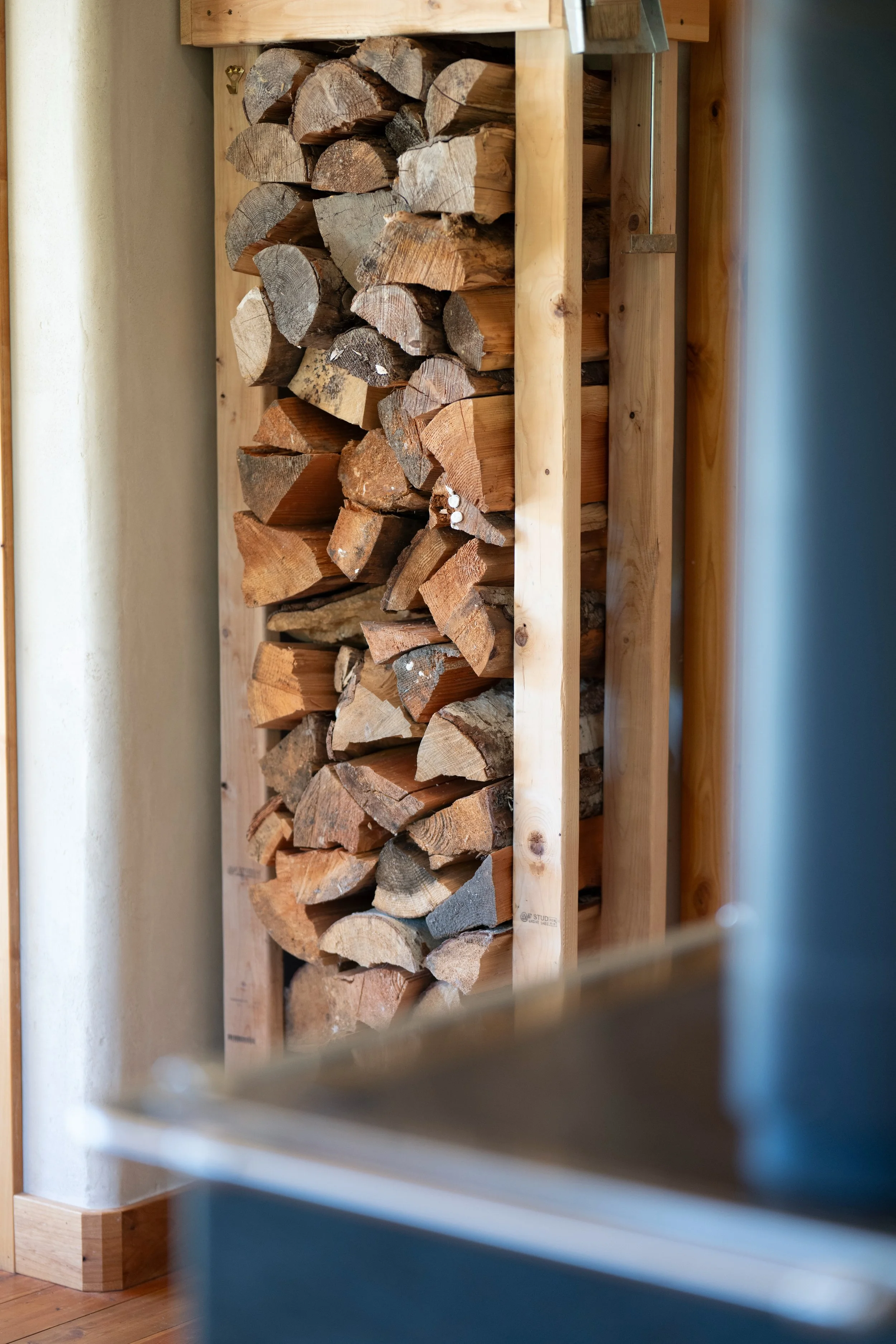
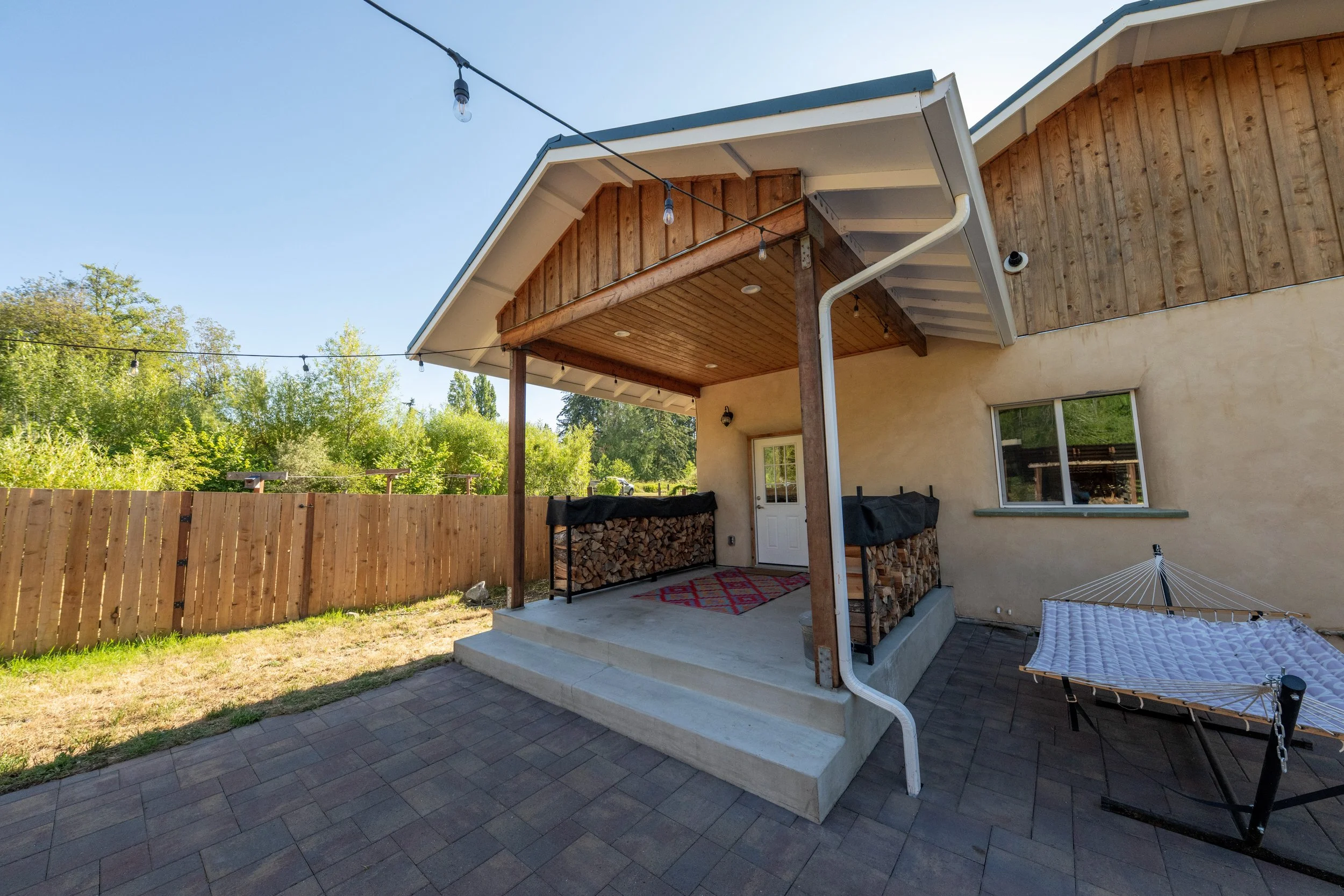
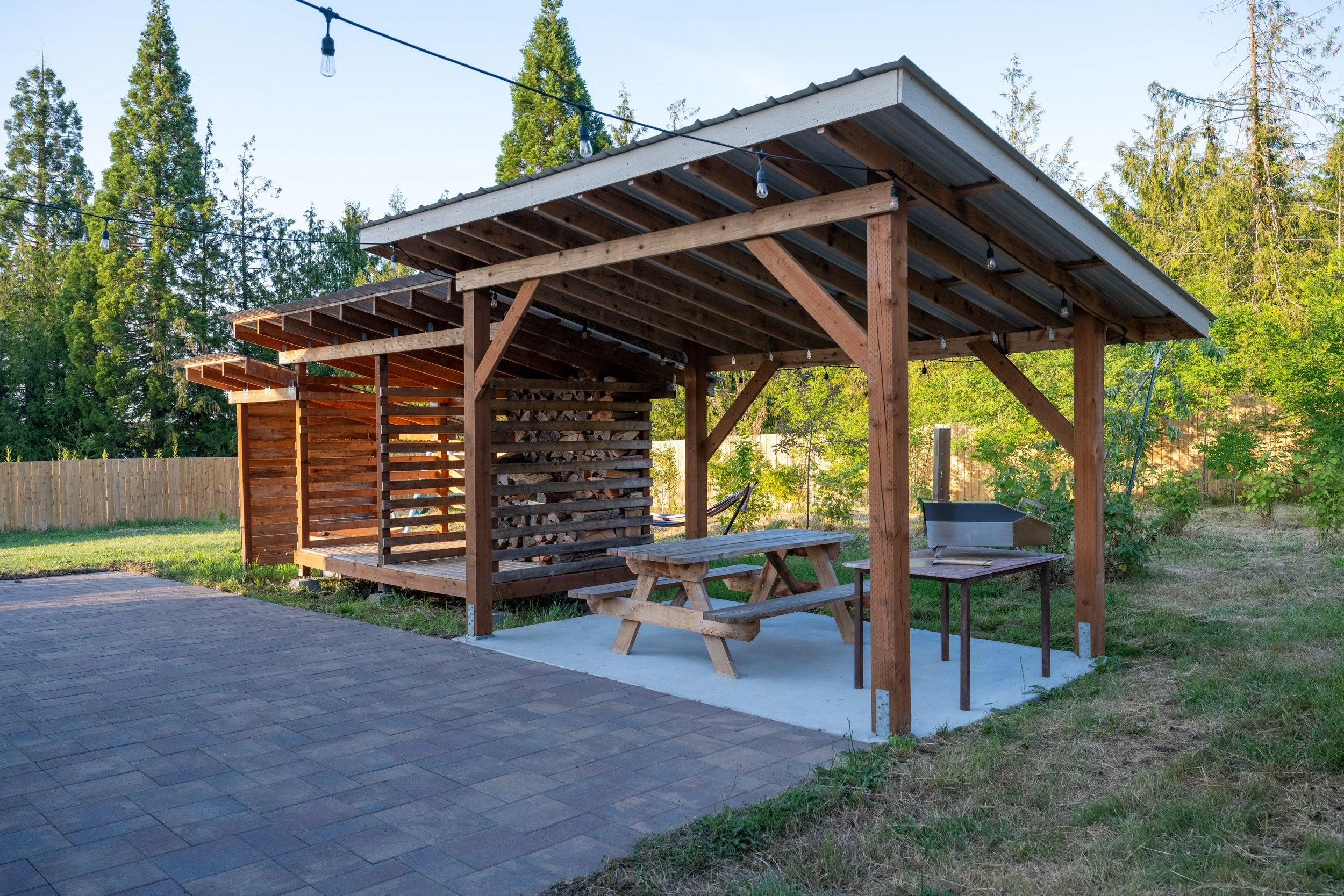
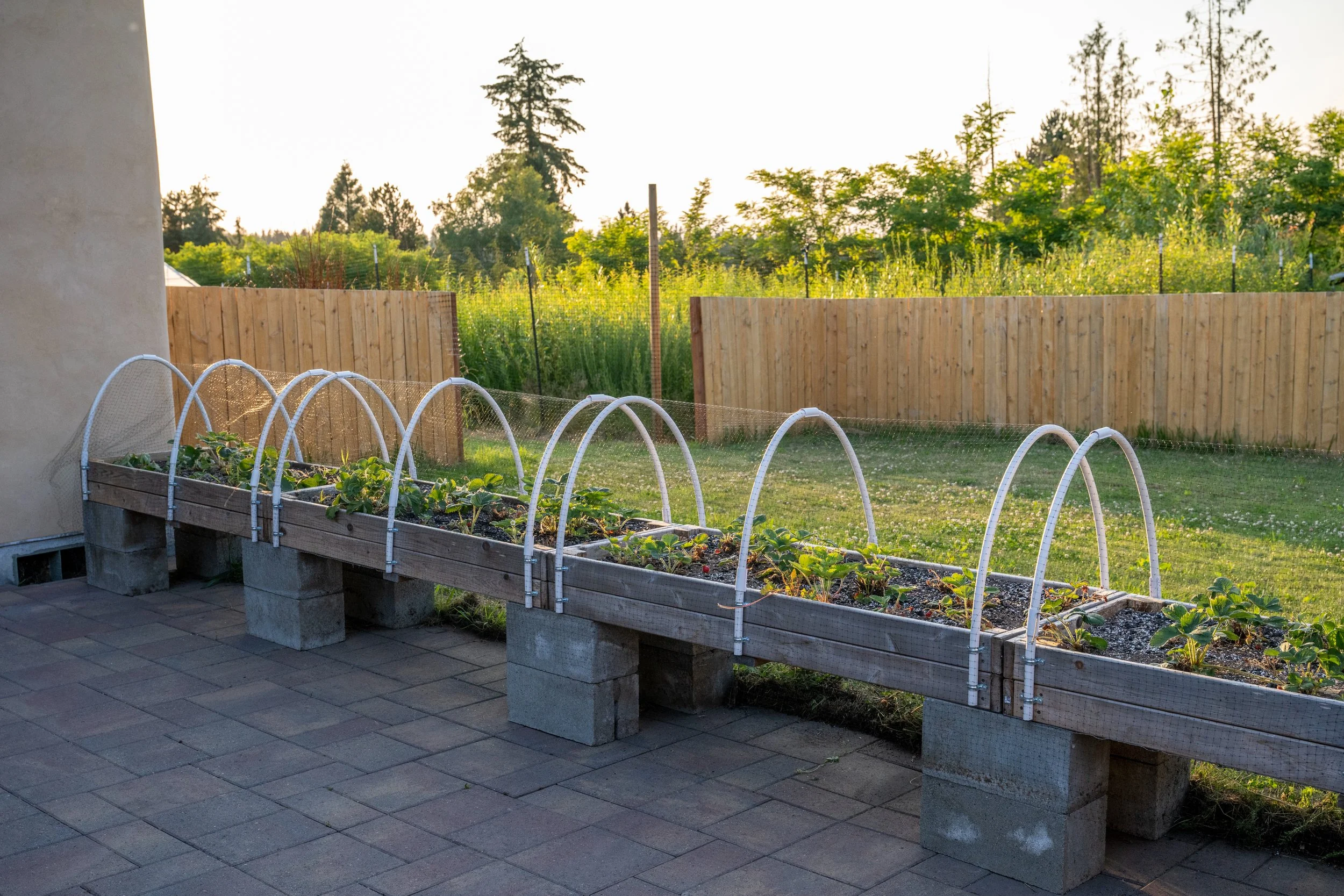
At the center of the home, an open great room flows into the dining area and kitchen, creating an easy setting for everyday life and shared meals. A back door leads to a covered wood-storage patio and onward to a larger gathering space with a covered picnic table. Along the patio, a strawberry patch marks the changing season and brings the edible landscape directly to the threshold of the home.
From the home, the landscape extends outward into more than 3,000 basketry willow trees, orchards, food forests, coppiced woodlots, perennial gardens, and wildlife ponds. Each element has become part of a living system designed to grow more diverse and resilient over time.
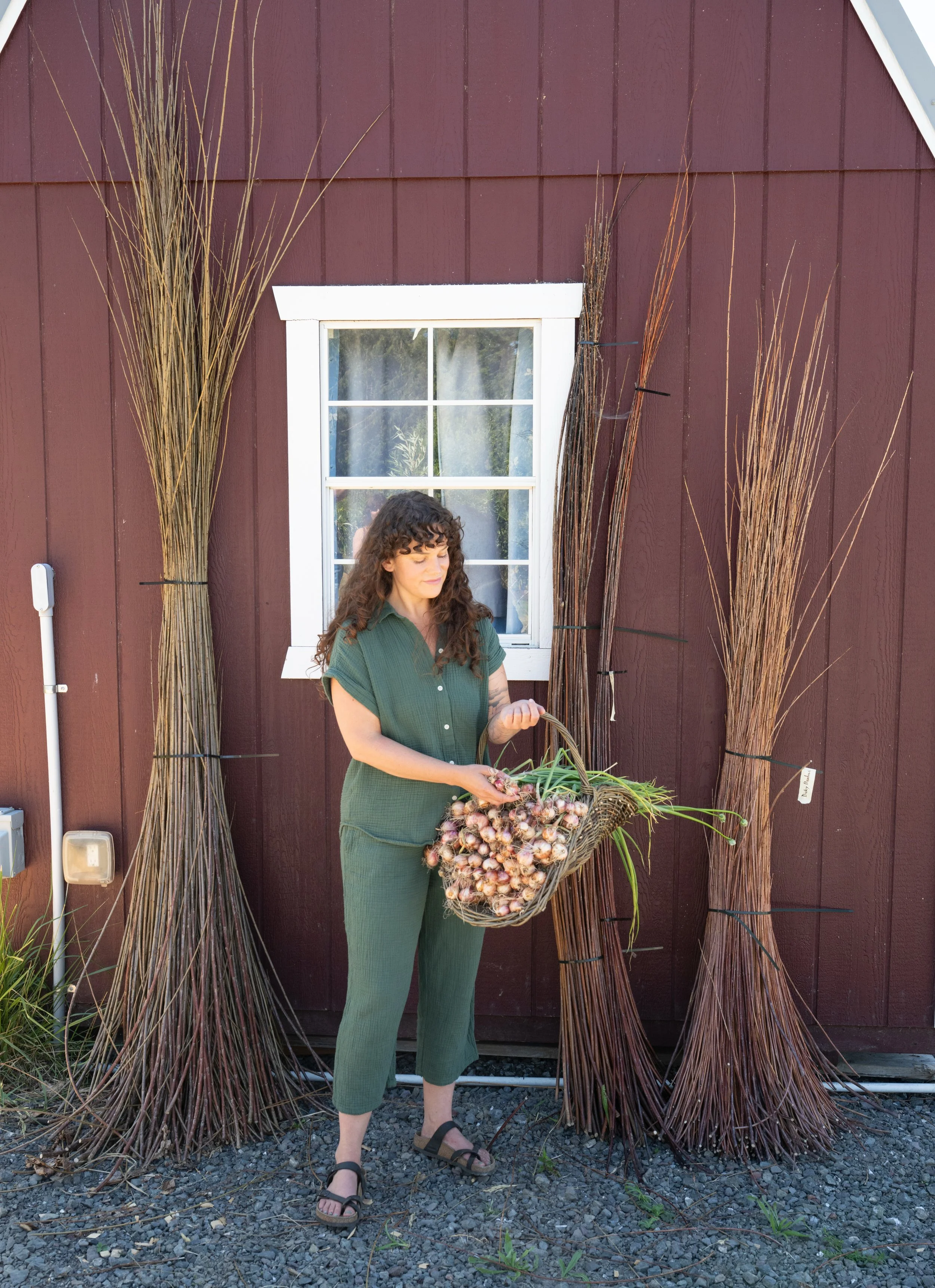
Of all the systems cultivated here, the willow grove remains one of the farm’s most distinctive expressions. More than twenty varieties are coppiced each winter, producing new stems for basketry, living structures, propagation, and craft. Useful, beautiful, and renewed through careful tending, the willow reflects the larger philosophy of the property.
Today, Be Easy Farm feels less like something constructed than something cultivated through an ongoing relationship with the land. Owls hunt across the pasture at dusk. Pollinators move among perennial blooms and thousands of willow rods. Frogs gather in the ponds, and the landscape continues to evolve in ways no fixed plan could have fully anticipated.
Every room, pathway, grove, and planting reflects more than a decade of patient stewardship. What has taken shape here is not a finished vision, but a living place shaped through attention, season after season.
Living With the Seasons
Life at Be Easy Farm unfolds in rhythm with the landscape. After more than a decade of care, the property has settled into cycles of growth, harvest, rest, and renewal. No two months feel quite the same, and that is part of the joy of living here.
Spring often arrives all at once. Willow and hazel catkins emerge as honeybees wake from winter dormancy, bulbs push through the soil, migratory birds return, and the ponds come alive with the nightly chorus of frogs.
By early summer, the farm feels transformed. Strawberries, cherries, herbs, and early vegetables begin to ripen. Thousands of willow stems rise from the coppiced stools, pollinators move through the gardens, and the western light stretches across the pasture into the evening.
Late summer brings abundance, with overlapping fruit harvests, maturing meadow seeds, and warm nights around the fire pit. Autumn follows with apples, pears, nuts, and late vegetables gathered as firewood is split and stacked for winter.
In the colder months, the colorful willow stems stand against gray skies, ready to be harvested, sorted, and propagated for another year of growth. This is also when the property’s longer-cycle systems come into focus, from black locust managed for timber to hazel coppice and other woody crops designed to mature over many seasons.
Each season carries forward the work of the one before it. Growth becomes harvest, harvest gives way to rest, and rest prepares the land for renewal.
This is what has taken shape at Be Easy Farm: not a finished landscape, but a living one, shaped through patience, attention, and the willingness to work with time. For the next owners, the story begins by stepping into those rhythms and carrying them forward.
Life List
WILDLIFE
Barn owls, barred owls, bald eagles, hawks, kestrels, great blue herons, turkey vultures, woodpeckers, robins, swallows, hummingbirds, goldfinches, chickadees, and dozens of native songbirds
Black-tailed deer, coyotes, bobcats, raccoons, and occasional black bears
Pacific tree frogs, red-legged frogs, salamanders, newts, and garter snakes
Thriving populations of honeybees, bumblebees, mason bees, butterflies, dragonflies, and other beneficial pollinators
Plant & Tree Life
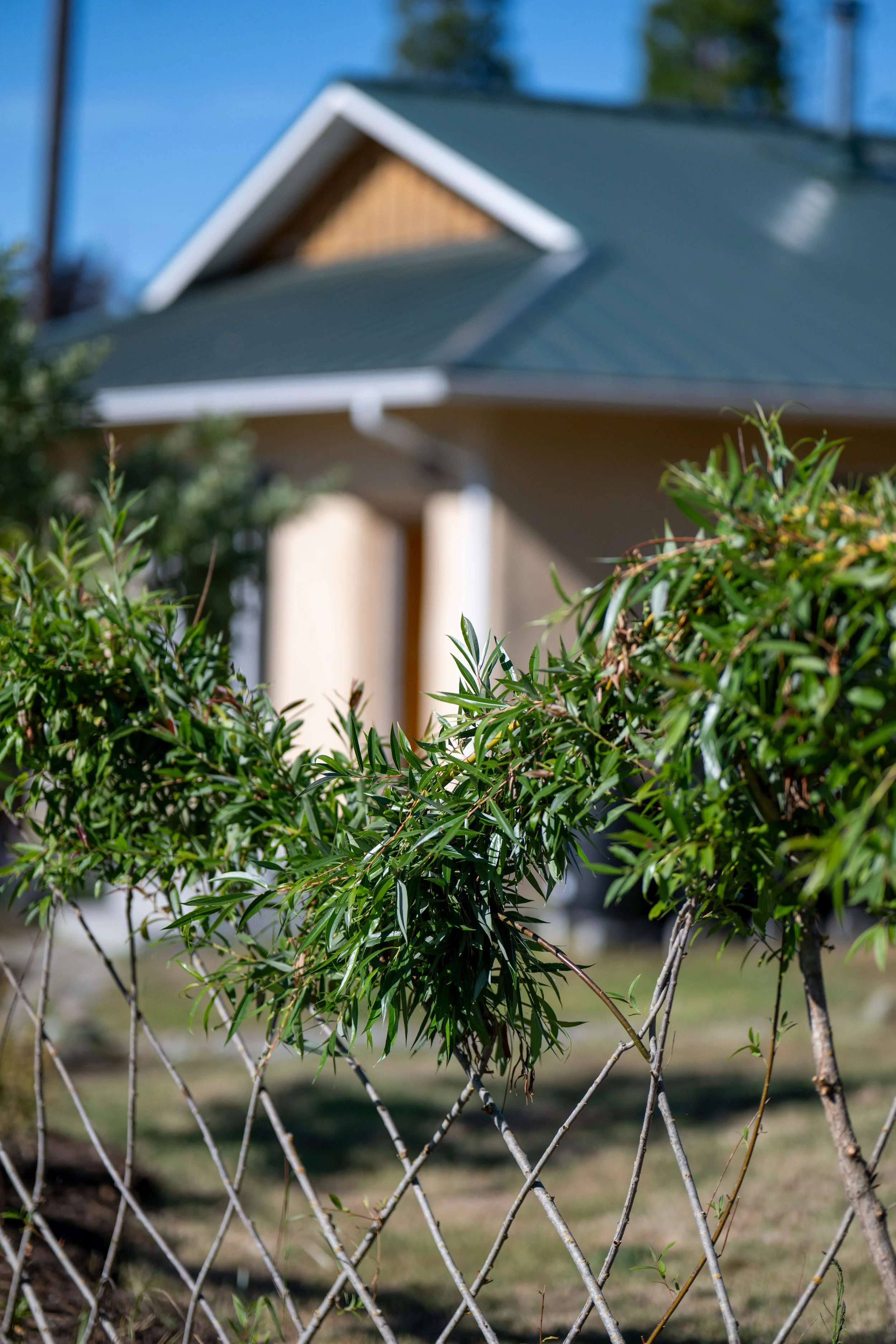
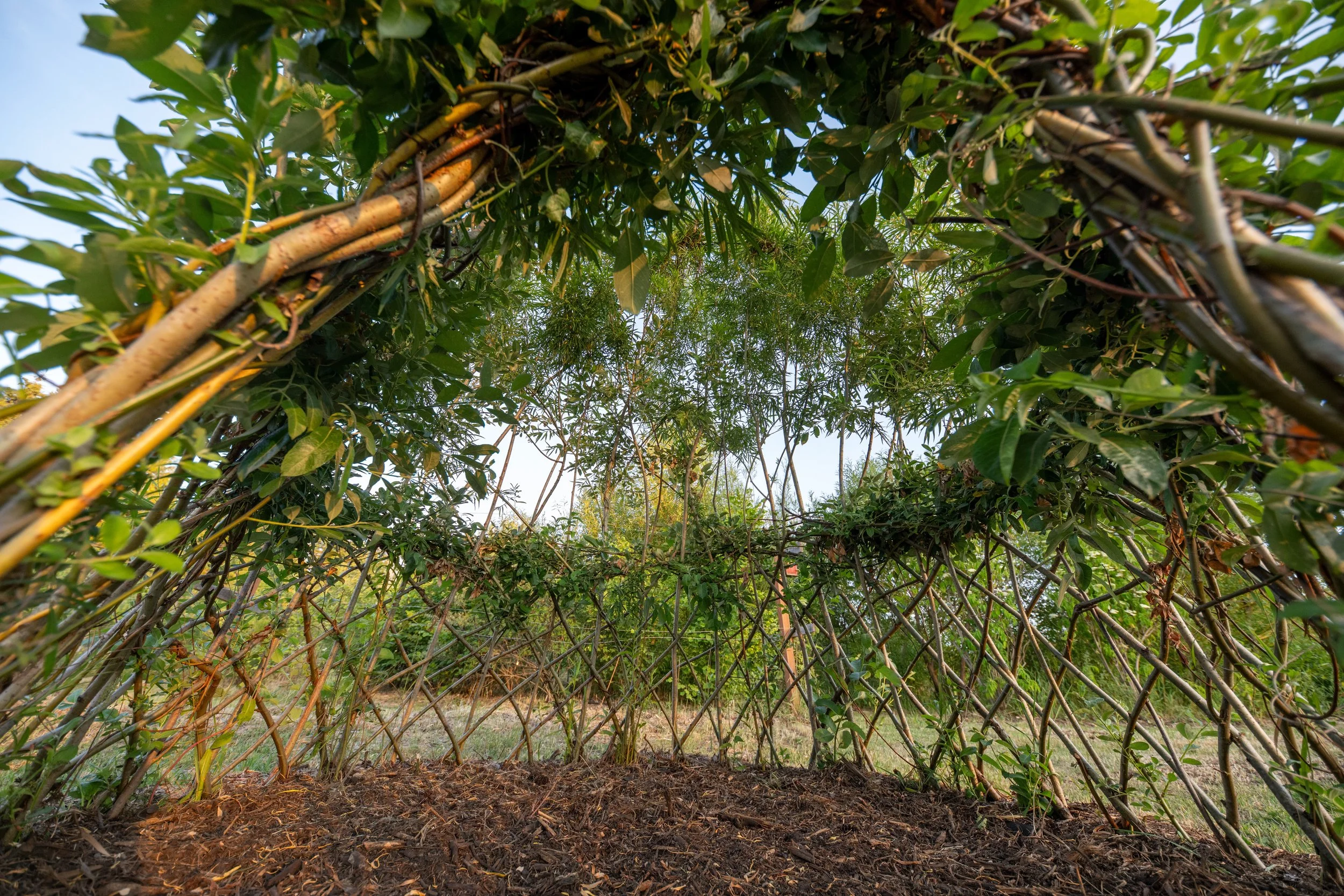
Over 20 varieties of basketry willow grown for craft, propagation, coppicing, and living structures including a living fence, tunnel, and dome
Coppiced black locust and hazel managed for renewable timber and biomass
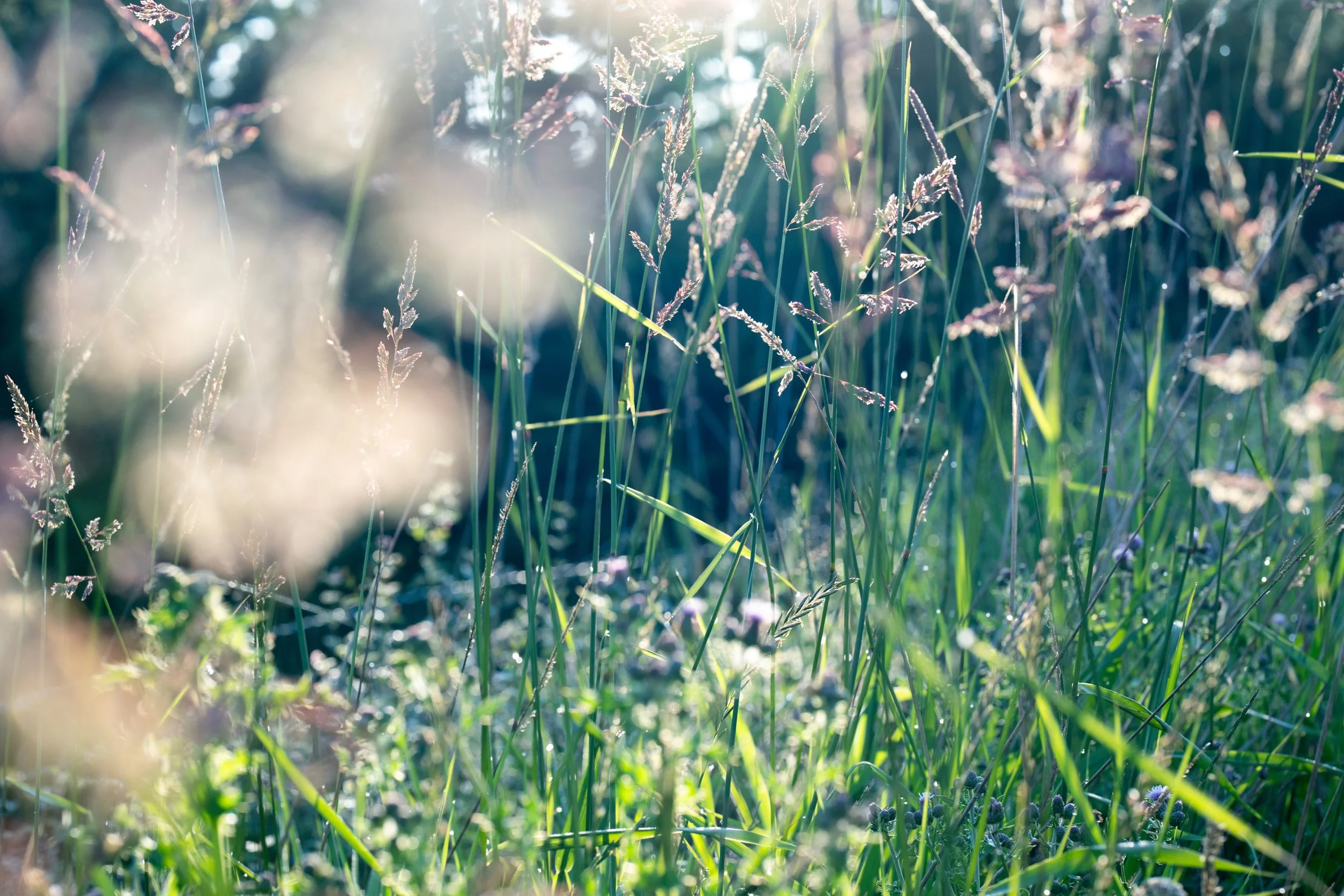
Native Douglas fir, western red cedar, red alder, Garry oak, wild rose, and meadow ecosystems
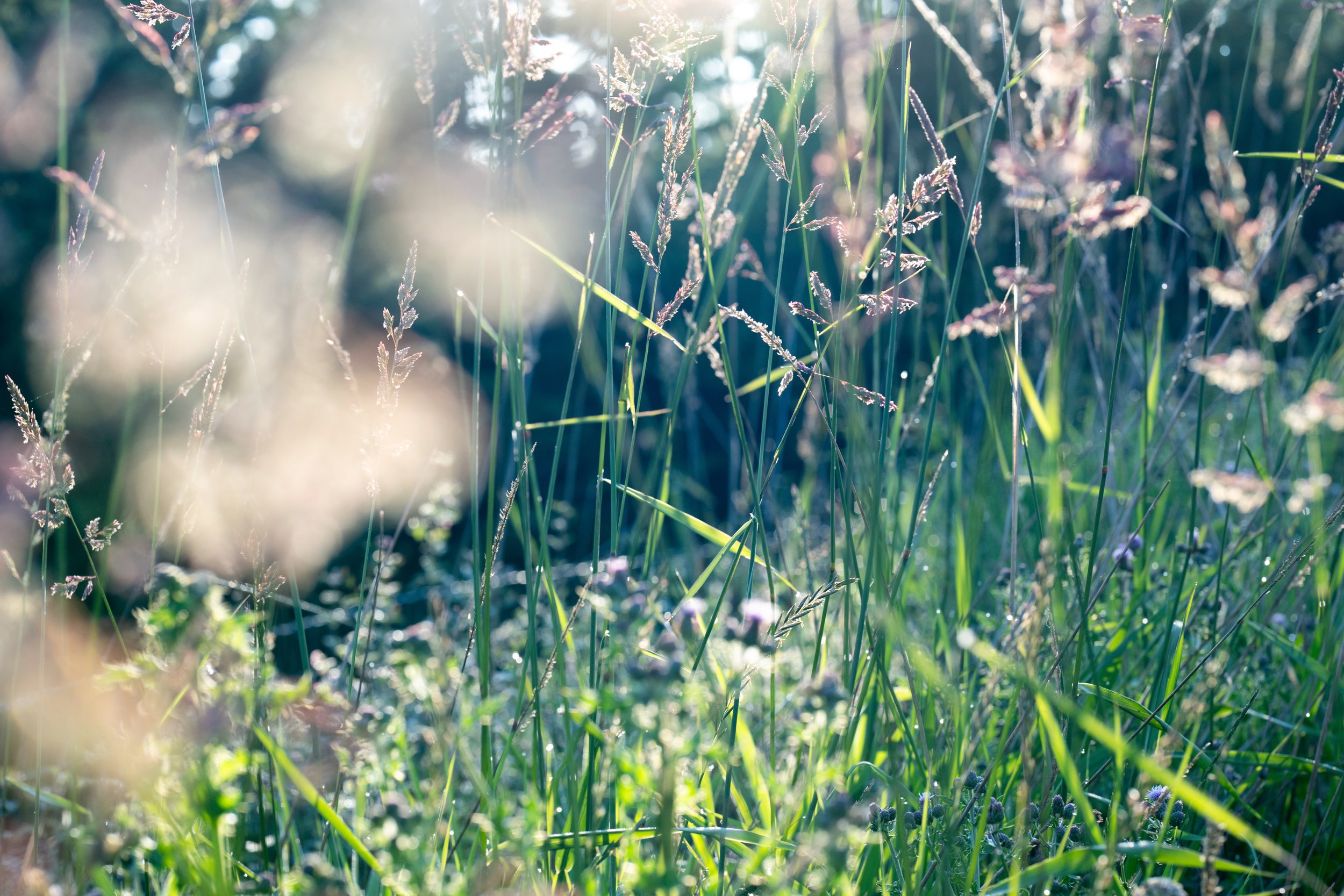
Layered food forests, perennial plantings, and native habitat supporting pollinators, healthy soils, and wildlife
Garden, Orchard & Harvest
Orchard: Dozens of apple varieties, European pear, Asian pear, European plum, Japanese plum, cherries, persimmon, quince, fig, pawpaw, medlar, cornelian cherry, and mulberry
Berries & Shrubs: Sea buckthorn, elderberry, autumn olive, raspberries, strawberries, kiwiberries, honeyberries (haskap), red and white currants, gooseberries, and jostaberries
Nut & Timber Trees: Hazelnuts, English walnut, chestnut, black locust, Coulter pine, shagbark hickory, Garry oak, and yellowhorn
Native Edibles: Salmonberry, thimbleberry, and trailing blackberry
Culinary herbs and perennial edible plants woven throughout the landscape
The Five Roots
of Regeneration
● Health & Wellness
Built with straw bale walls, clay plaster made from soil gathered on-site, and carefully chosen natural materials, the home was designed to support comfort without relying on synthetic finishes. Abundant daylight, passive solar orientation, and views into the surrounding gardens create a strong connection between the interior and the landscape beyond. The thick walls help regulate temperature and lend the home a sense of quiet, while the property itself encourages daily movement outdoors. Across the seasons, the gardens, trails, ponds, and open pasture offer space to slow down, breathe deeply, and live in closer contact with the natural world.
● Sustainability
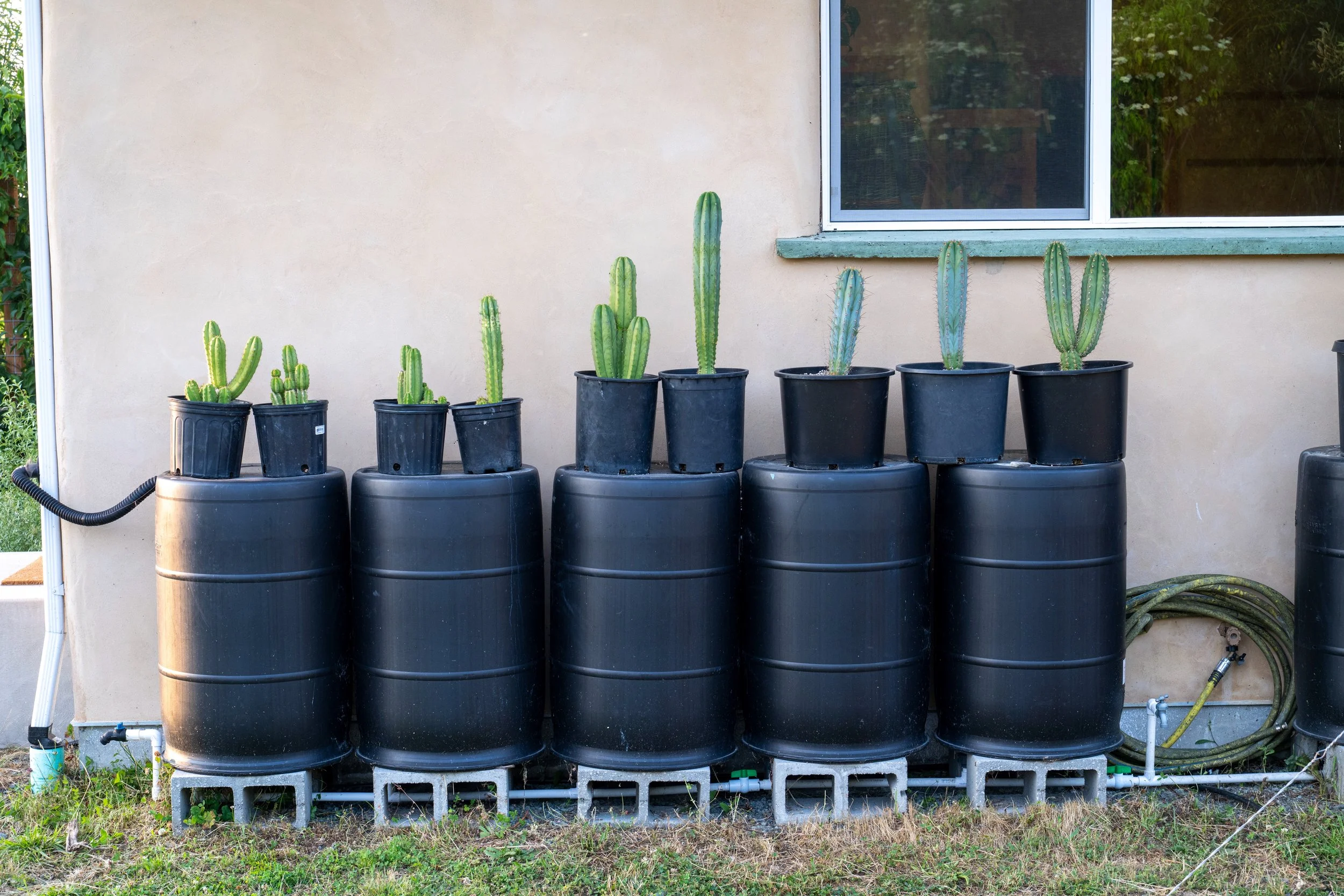
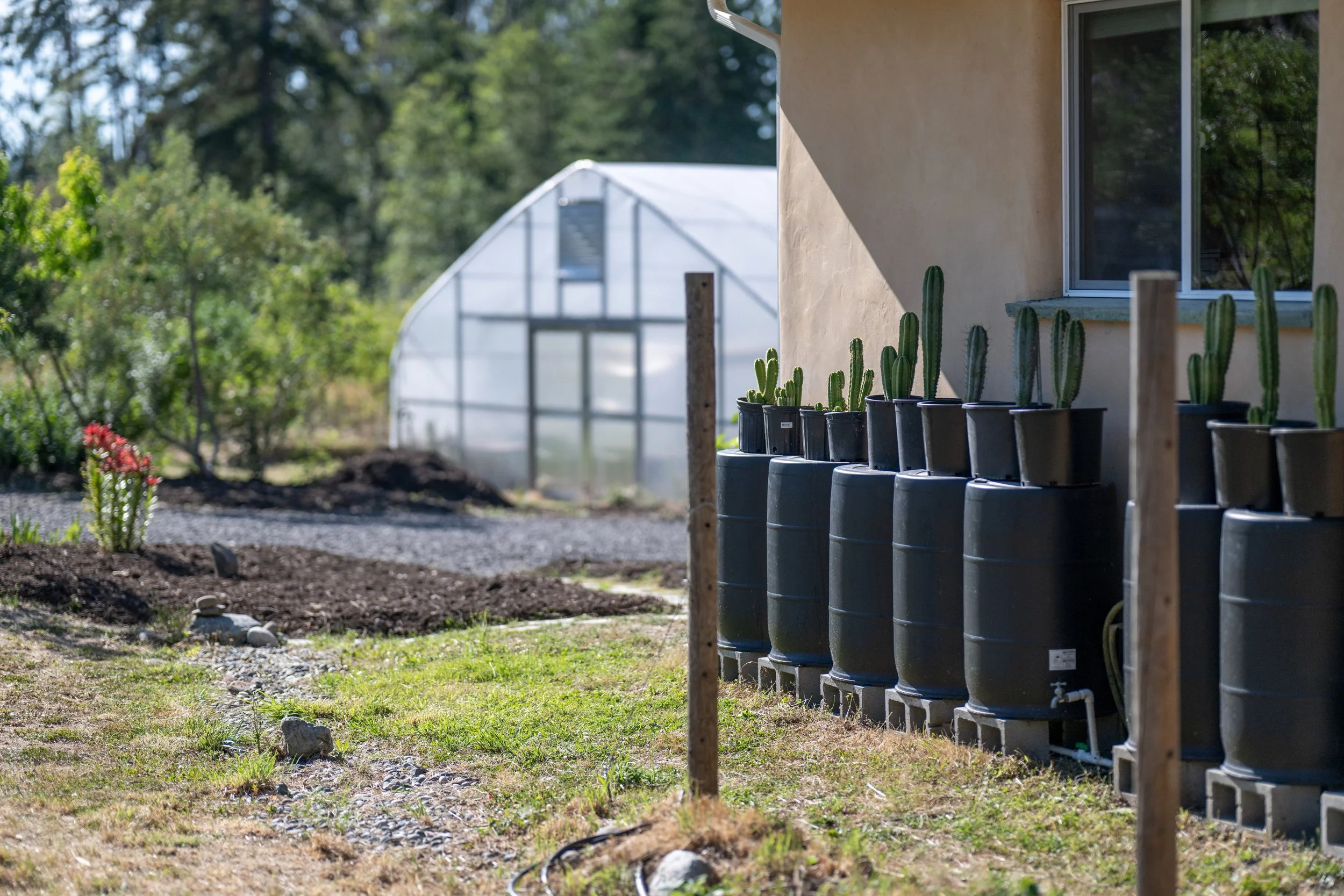
Every system at Be Easy Farm was created with long-term resilience in mind. The straw bale home offers strong energy performance, with R53 insulation in the attic and R38 beneath the floors, helping maintain comfort while reducing energy demand. A 350-gallon rainwater catchment system supports the gardens, while irrigation rights, food forests, perennial plantings, coppiced woodlands, and productive growing areas function as an interconnected whole. The land has never been tilled, allowing soil biology and fungal networks to develop over time. Sustainability here is not concentrated in a single feature, but expressed through systems designed to become more productive, efficient, and resilient with age.
● Community
Some of the home’s strongest foundations are the ones that cannot be seen. During construction, friends, neighbors, and members of the natural building community gathered for a straw bale raising, turning the work of building into a shared experience. Their contributions remain visible in the walls today, carrying the memory of the hands that helped shape them. That spirit of participation continued long after the home was complete. Over the years, Be Easy Farm has welcomed shared meals, workshops, children at play, and evenings gathered around the fire. Community here has grown organically, through practical work, generous exchange, and time spent together on the land.
●Ecology
Every part of Be Easy Farm reflects an understanding that healthy ecosystems are diverse, adaptive, and always in motion. More than 3,000 willow trees provide early spring forage for pollinators emerging from winter, while wildlife ponds support frogs, salamanders, birds, and other species. Food forests, native trees, perennial gardens, and intentionally wild areas create layers of habitat throughout the year. Even plants often dismissed as weeds play a role, helping rebuild soil and support birds such as goldfinches before gradually giving way to more varied plant communities. Across the property, productivity and biodiversity are not treated as competing goals, but as systems that can strengthen one another.
●Spirit
The name Be Easy Farm is less an instruction than an invitation. It reflects a way of living shaped by observation before action, patience over urgency, and relationship rather than control. The land asks for participation, not perfection. Seasons become teachers, wildlife becomes familiar, and the distinctions between home, garden, and surrounding landscape begin to soften. Over time, stewardship takes on a deeper meaning. It becomes less about directing the land toward a fixed outcome and more about remaining attentive to what is already emerging. To live here is to enter an ongoing relationship with place, guided by curiosity, humility, and care.
The Five Roots are the foundation of what we believe contributes to a holistic environment that helps both people and planet to thrive.
Learn more about our framework in the Home as Sanctuary book.
Land Acknowledgement
Be Easy Farm is situated on the ancestral homelands of the S'Klallam (Klallam) People, who have stewarded the northern Olympic Peninsula since time immemorial. We honor the enduring relationship between these lands and the Jamestown S'Klallam Tribe, as well as the broader S'Klallam community, and acknowledge their past, present, and future stewardship of this place.
Proximity
Just outside Sequim on Washington's Olympic Peninsula, Be Easy Farm offers the rare balance of rural privacy and everyday convenience. From the property's peaceful setting, owners can easily access local farms, the Strait of Juan de Fuca, Olympic National Park, and the vibrant community that has made Sequim one of the Pacific Northwest's most beloved agricultural regions.
10 minutes to downtown Sequim's shops, restaurants, and farmers market
10 minutes to Dungeness National Wildlife Refuge & Dungeness Spit
10 minutes to the Olympic Discovery Trail
20 minutes to Port Angeles
20 minutes to Olympic National Park visitor access
20 minutes to the Black Ball Ferry terminal for Victoria, B.C.
45 minutes to Port Townsend
2-2.5 hours to SeaTac depending on traffic
Let’s set up a visit
For inquiries, please connect with:

Neal Collins
(503) 927-6085
neal@chooselatitude.com
This property is advertised through the NWMLS # 2558245
Explore other listings & projects







Monona, WI
$280,000
Listed by Mark Voss