On biodynamics, agency, and the places curiosity takes us.
The further I travel along this regenerative journey, the more I find my personal and professional lives informing one another.
Relationships strengthen, interests deepen, and seemingly unrelated experiences reveal common threads. There's something thrilling about following my curiosity and discovering the unexpected ways these connections come alive in my life and work.
My introduction to biodynamics came through Mark Voss, my colleague at Latitude, several years ago. What began as a professional exploration of land stewardship gradually became a personal practice at home. Today, I'm charting my own apprenticeship, so to speak, in biodynamic preparation making, traveling to learn alongside experienced practitioners who have devoted decades to this work.
As we've deepened our understanding of biodynamics at Latitude, we've come to recognize its significance within regenerative real estate and agriculture. The orchards, vineyards, vegetable farms, and small dairies where these practices are alive are places shaped by an intentional, ongoing relationship between people and land. Learning to recognize and support them has become an important part of our work and, for me, a deeply personal pursuit.
Increasingly, I'm spending more time visiting farms than cities. There's something reassuring about being with people who have devoted their lives to understanding the natural world. Their knowledge is rooted in observation, patience, and a continuity that feels increasingly precious. Two years ago, that curiosity took me to Viroqua, Wisconsin. Last year, to Noti, Oregon. This year, to Paonia, Colorado, where several preparation makers I'd come to know had spent years developing their practice.
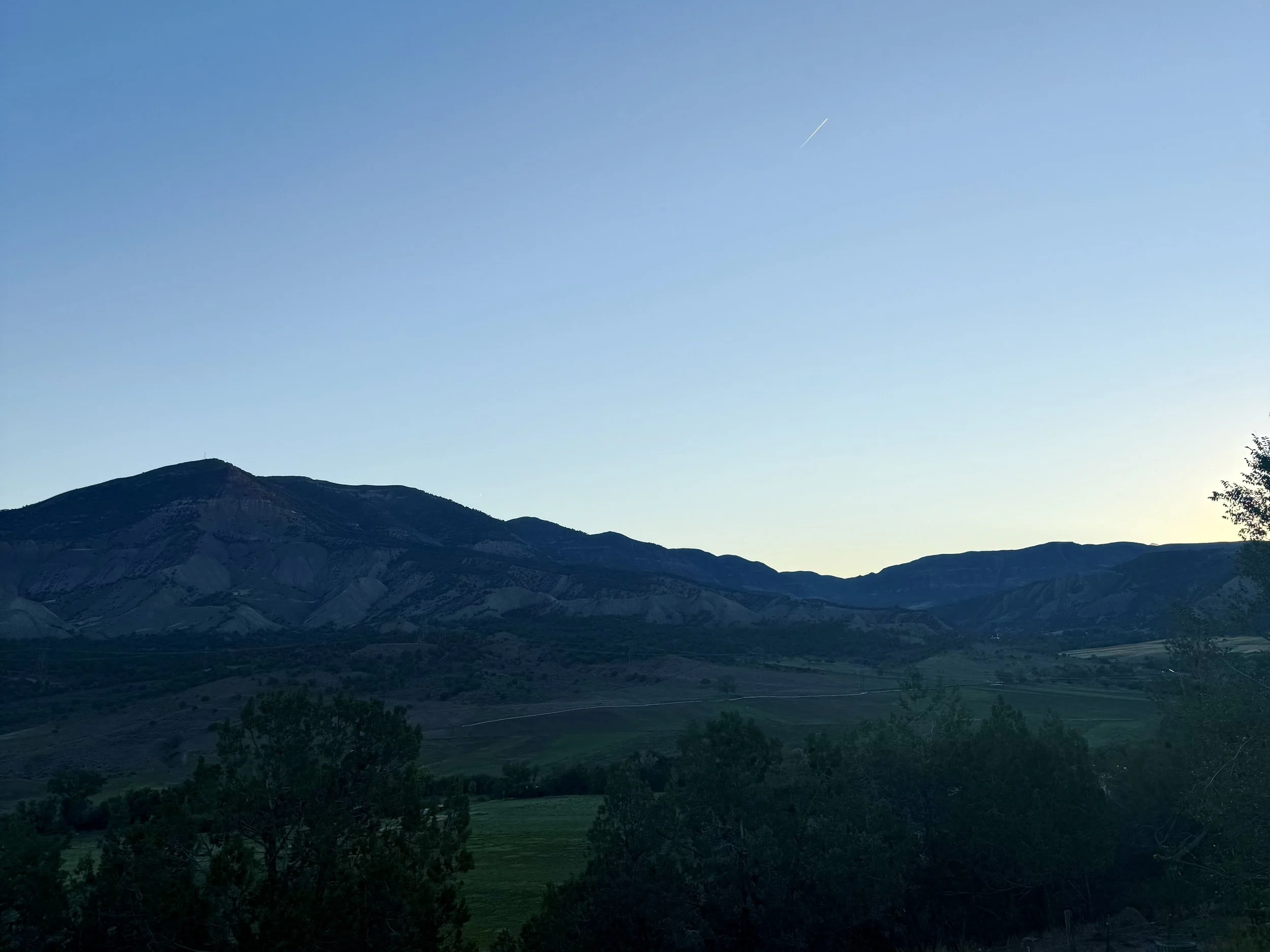
Early morning light over the mountains and agricultural valleys surrounding Paonia, Colorado. Photo: Alissa Collins
Paonia held another unexpected connection. Earlier in the summer, Kate Linehan, a local Realtor, reached out to Latitude. We quickly discovered mutual friends, a shared interest in biodynamics, and similar ideas about the relationship between land, home, and the lives we create within them.
What particularly intrigued me were the properties coming into Kate's world, where regenerative stewardship extended beyond the land itself to inform building orientation, material choices, and the philosophy of home. Suddenly, two worlds I'd been exploring were coming together.
At Latitude, we've often talked about helping build the field of regenerative real estate rather than simply operating within an established market. Many of the places we're drawn to have been quietly cultivated over decades, sometimes generations, by people who never imagined their homes or farms as part of a larger movement. Paonia offered another glimpse into this emerging landscape, where agricultural stewardship and architectural intention were expressions of a shared relationship with the earth.
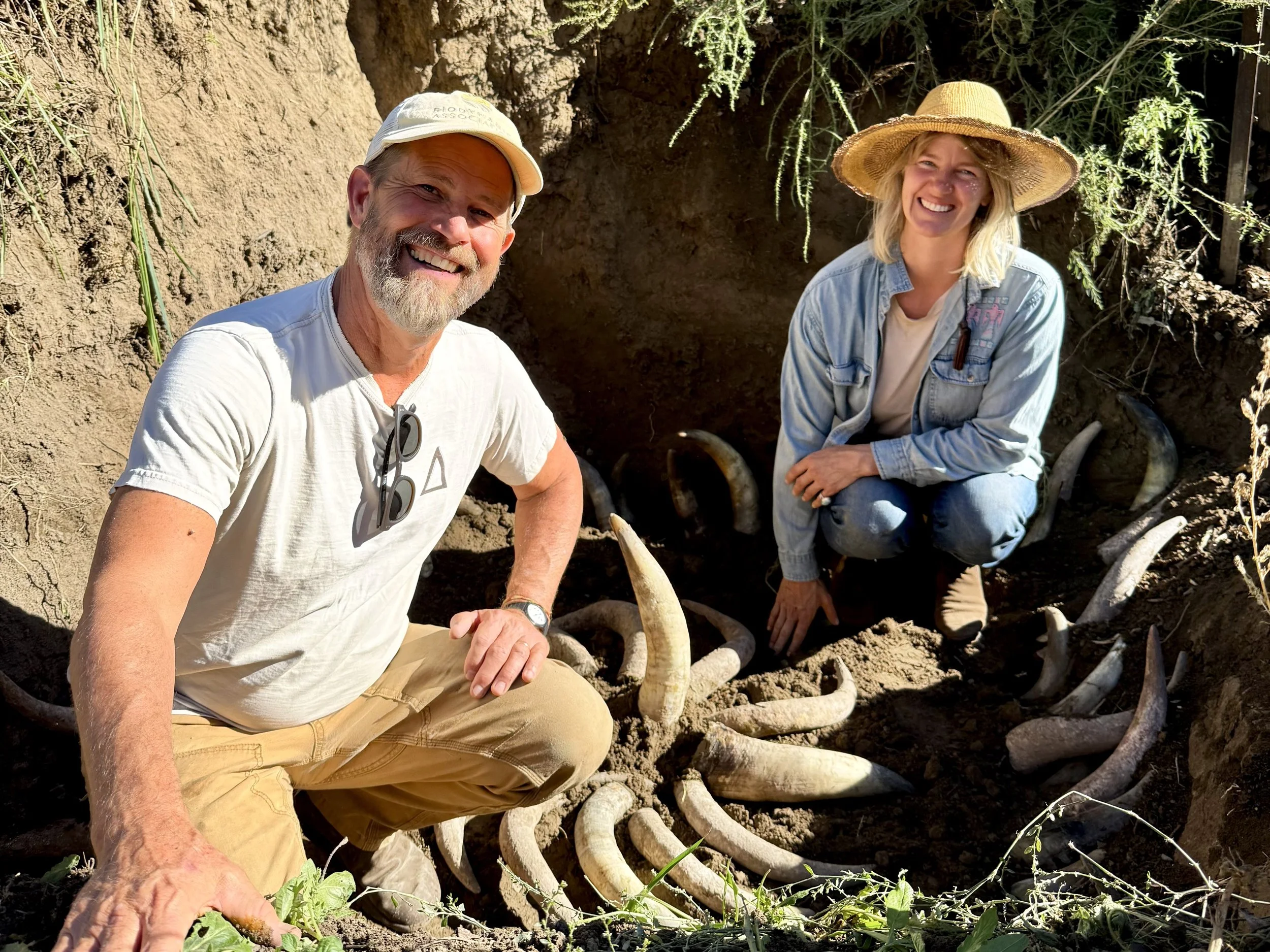
Mark Voss and Kate Linehan at a preparation pit, working with cow horns used in making biodynamic preparation 500. Photo: Alissa Collins
A Home Shaped by Intention
Kate welcomed us into her community, introducing us to people and places that reflect this deep relationship with the land. Among them was an extraordinary adobe home and ranch, created by a woman whose spiritual and creative pursuits had profoundly influenced how she approached building and living.
The property was designed according to principles of Spiritual Architecture, a philosophy I had only recently encountered through biodynamics. The Italian biodynamic researcher Enzo Nastati had spent time in Paonia, sharing ideas that influenced the valley's agricultural and architectural community.
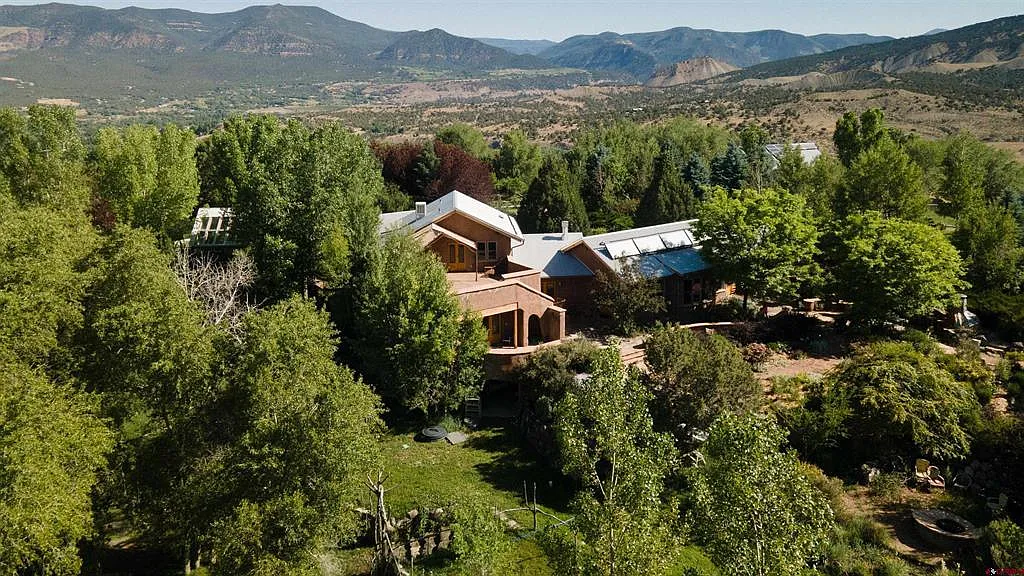
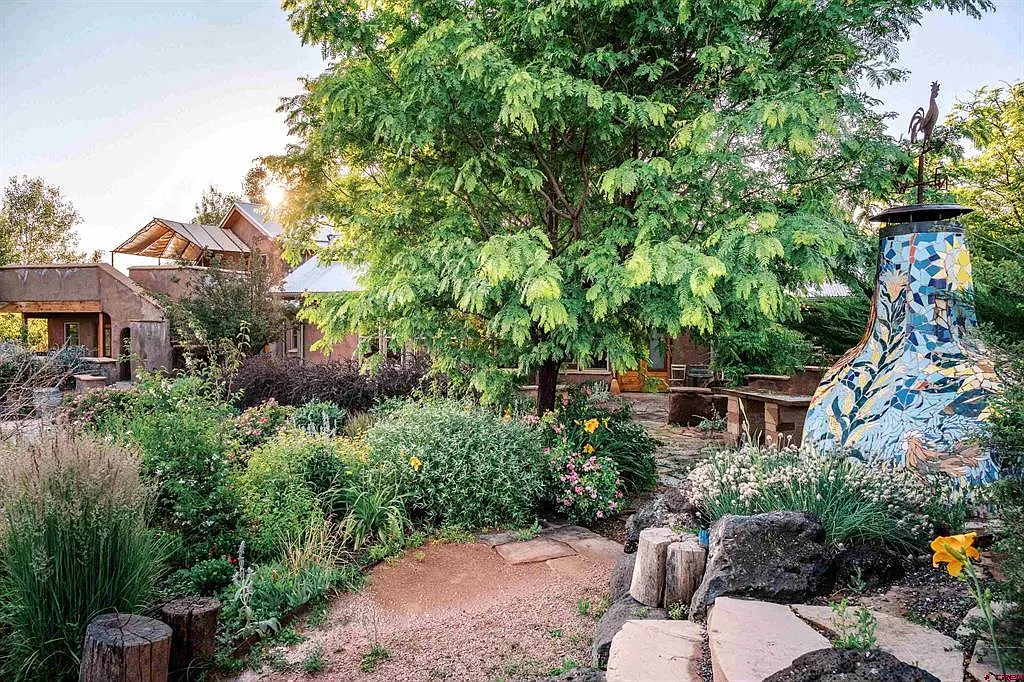
Nestled among mature trees in Paonia, Rancho del Gallo reflects an intentional relationship between the built environment and the surrounding landscape. Photo: Fernando Gomes
Viva la Vida describes Spiritual Architecture as "a dialogue between man, matter and the cosmos." It considers how a building's orientation, geometry, materials, colors, and relationship to the landscape might support the life unfolding within and around it. In this philosophy, the home is not separate from the natural world, but participates in it.
Having spent much of my adult life working in real estate, I appreciate the tremendous thought and labor that goes into constructing a home. I've also seen how readily building decisions are shaped by convention, cost, efficiency, and market expectations. Growing up in Anchorage, Alaska, in the 1990s, conventional construction was largely what I knew. The possibility of designing a home around such an expansive understanding of human life wasn't something I'd encountered.
What struck me first was how the house felt. Soft, warm, quiet, and solid. The adobe walls had a presence that was both substantial and gentle. Natural light illuminated colors, textures, and architectural details that seemed to belong together. There was a remarkable sense of calm and an abundance of beauty, with one extraordinary detail unfolding after another.
I found the experience therapeutic. There was something about being in that home that felt inherently right, a coherence I could sense even without fully understanding the principles behind its design.
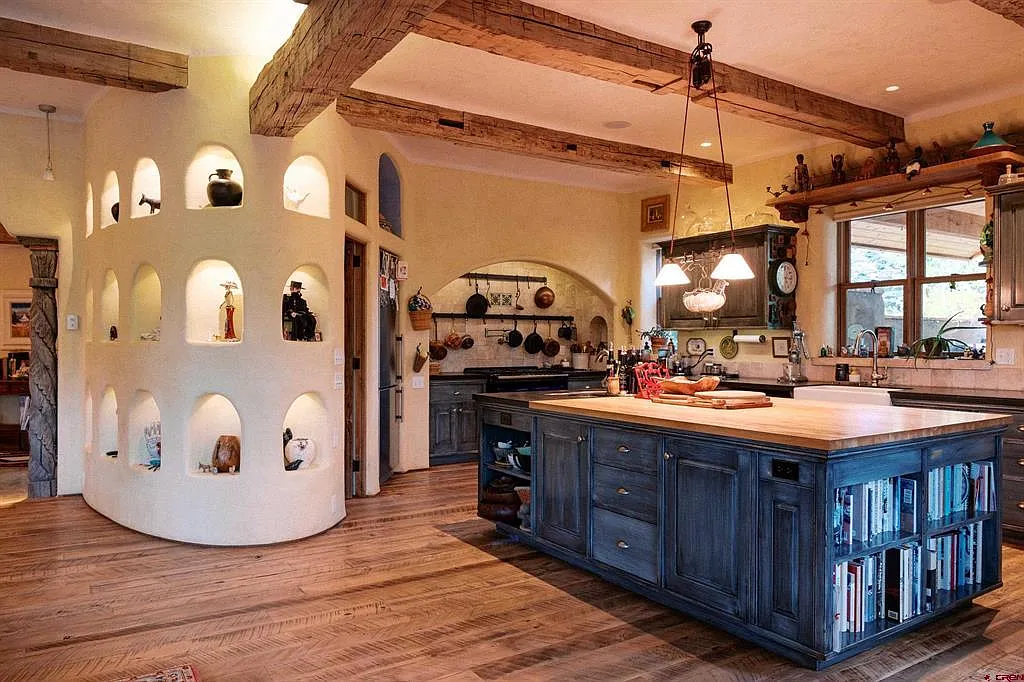
Curved plaster walls, sculptural niches, and natural materials bring warmth and artistry to the home's interior. Photo: Fernando Gomes
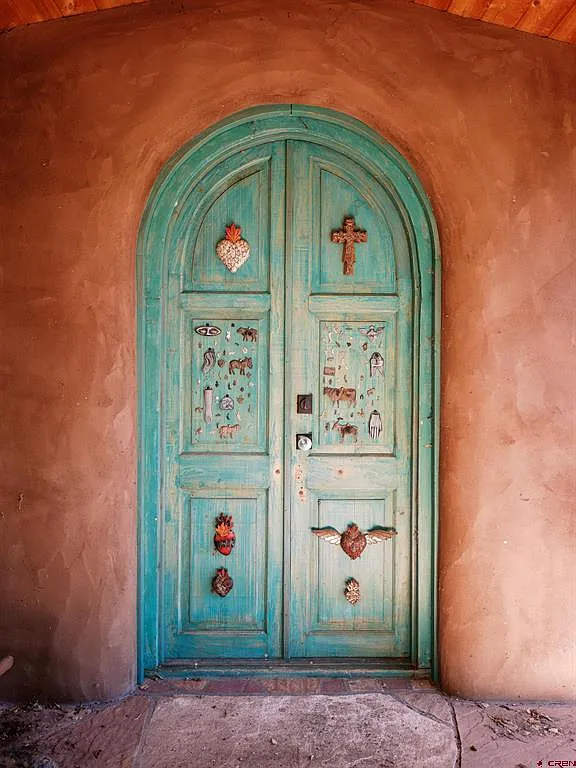
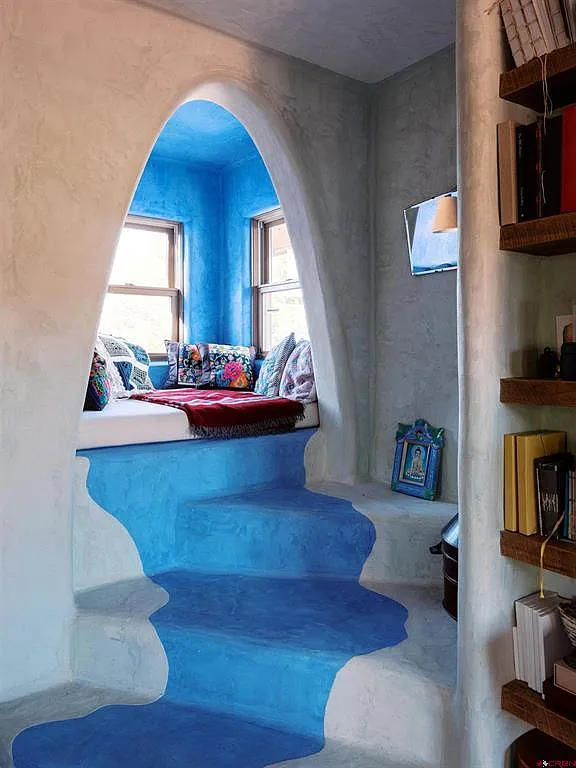
The more I learned, the more fascinated I became by the intention behind it all. The orientation of the home, its handcrafted doors, the use of color and light, and the spaces created for gathering, welcoming guests, and living alongside the land. Even the water and certain architectural features had been considered through the lens of the home's spiritual philosophy. Some of these concepts, including energetic devices and structured water, remain new to me, and I'm eager to understand more about the thinking behind them.
What I could appreciate immediately was the extraordinary care involved. Someone had asked not only how a house should function or look, but how it might feel to live there and what qualities it might cultivate. Every detail represented a choice, and together those choices had created something unlike anything I'd experienced before.
The Agency to Create
I've been thinking about that home ever since, particularly about the relationship between intention and the physical environments we create.
The woman who envisioned this place had considered what mattered to her and worked with others to translate those convictions into architecture. The result was not simply a beautiful home, but a living expression of her values.
I see something similar in the farmers I've been learning from. Whether making biodynamic preparations, tending orchards, or caring for animals and soil, their work reflects countless decisions made over decades, guided by observation and a willingness to question conventional approaches. Both biodynamics and Spiritual Architecture recognize that we are in relationship with the living world, and that our choices influence the quality of those relationships.
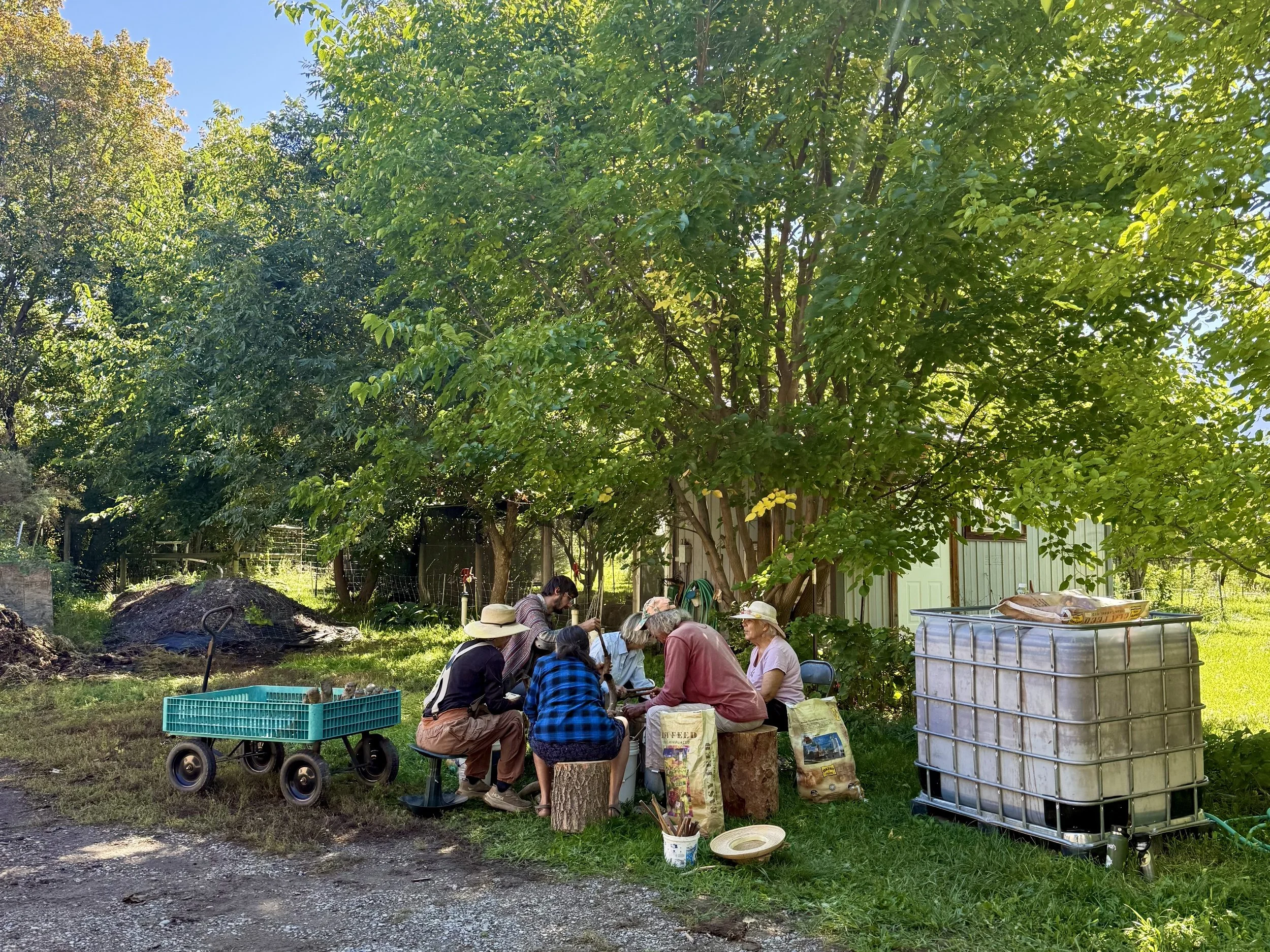
Preparation makers gather in Paonia to make biodynamic preparation 500, sharing knowledge and continuing a practice rooted in agricultural stewardship. Photo: Alissa Collins
This is what I find so compelling about regenerative real estate. The properties themselves are only part of the story. Behind them are people who have made deliberate choices about how to live, build, cultivate, and care for a place, sometimes over an entire lifetime.
Perhaps this is where my personal journey and our work at Latitude most meaningfully intersect. We talk often about agency and the role of the Change Agent, but these ideas become more interesting when encountered in everyday life. In the farmer who has spent decades developing a relationship with the soil, the builder who approaches construction as an expression of care, and the people who imagine a different possibility for a place and commit themselves to creating it.
Their work reminds me that we have the capacity to shape our surroundings in ways that reflect what we value, even when those choices take us beyond what is familiar.
When Mark first introduced me to biodynamics, I couldn't have anticipated how deeply it would influence my life. Paonia brought these threads together in a particularly meaningful way. I went to learn from preparation makers and found myself inside a home that expanded my understanding of what architecture could be, leaving with new friendships, questions, and possibilities to explore.
There is still so much I don't know, and perhaps that's what I appreciate most about this journey. Each experience opens another door, revealing people who have devoted themselves to ideas and practices I'm only beginning to understand. I'm increasingly grateful for the freedom to follow these threads, to participate rather than simply observe, and to discover where they might lead.