What ownership models open up when land is held as something to steward in common, rather than acquire individually?
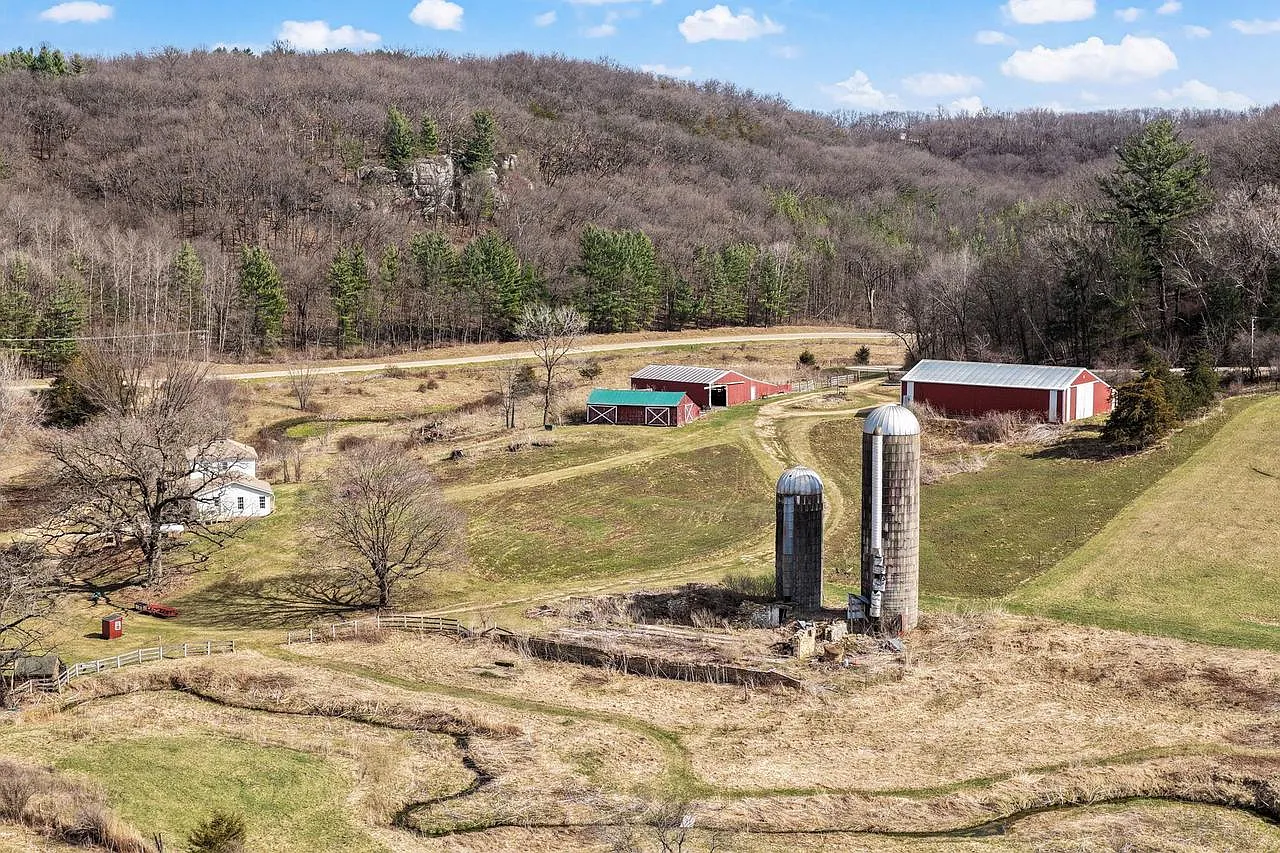
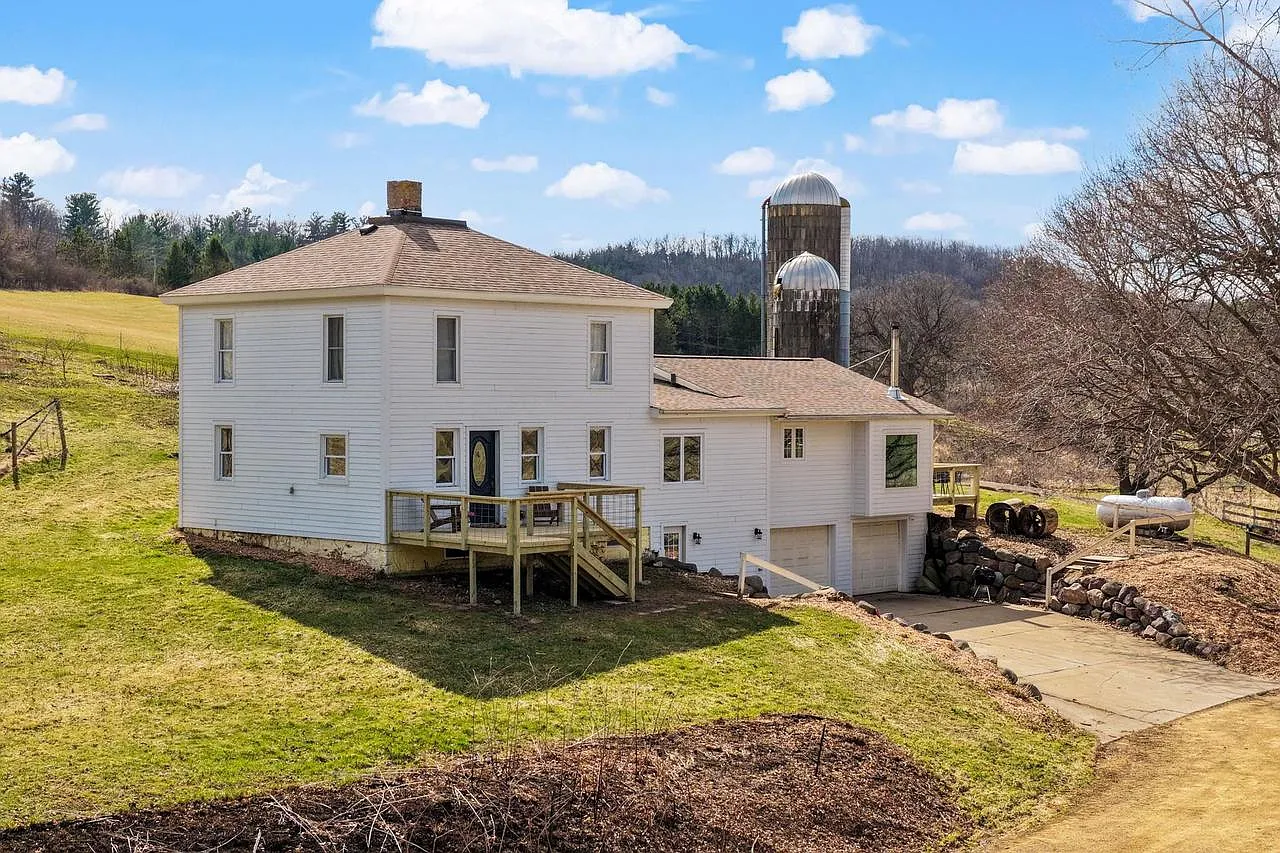
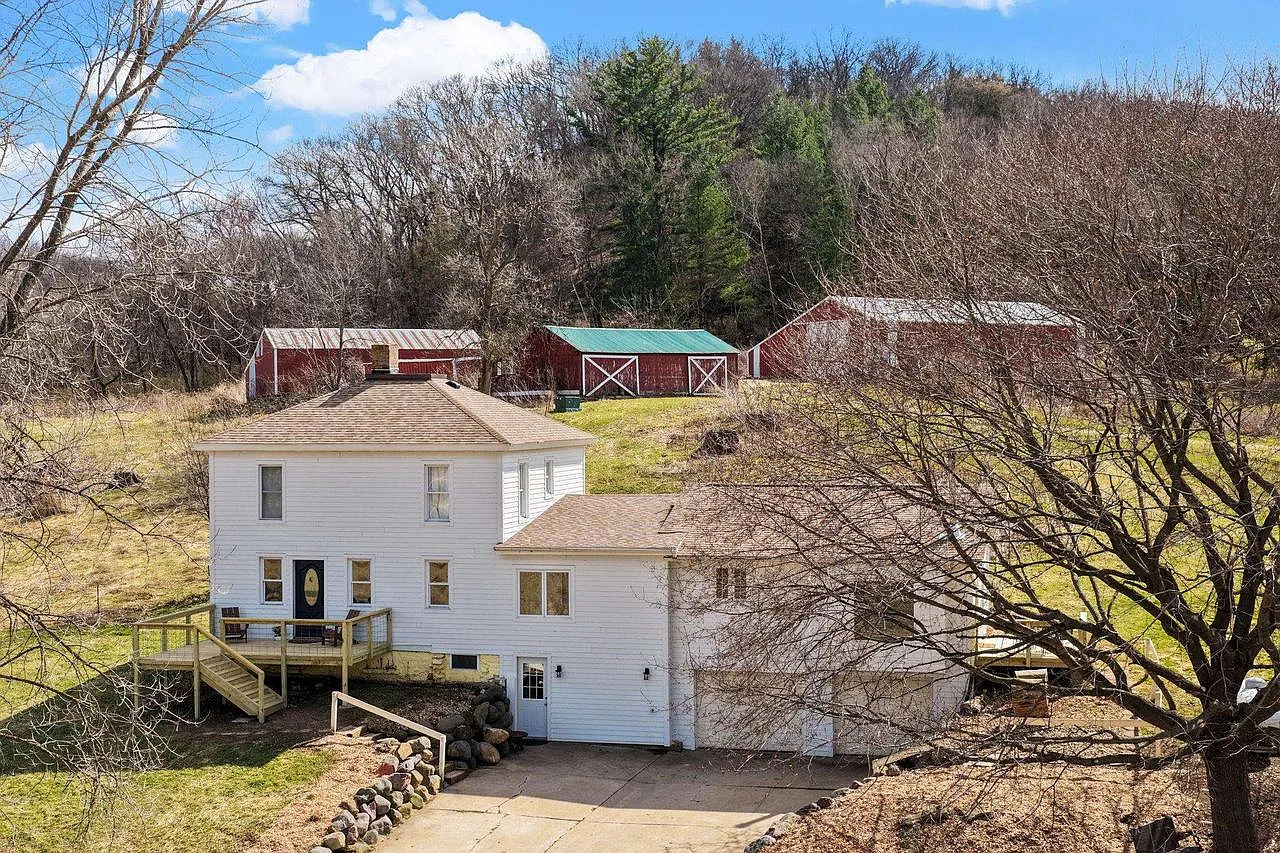
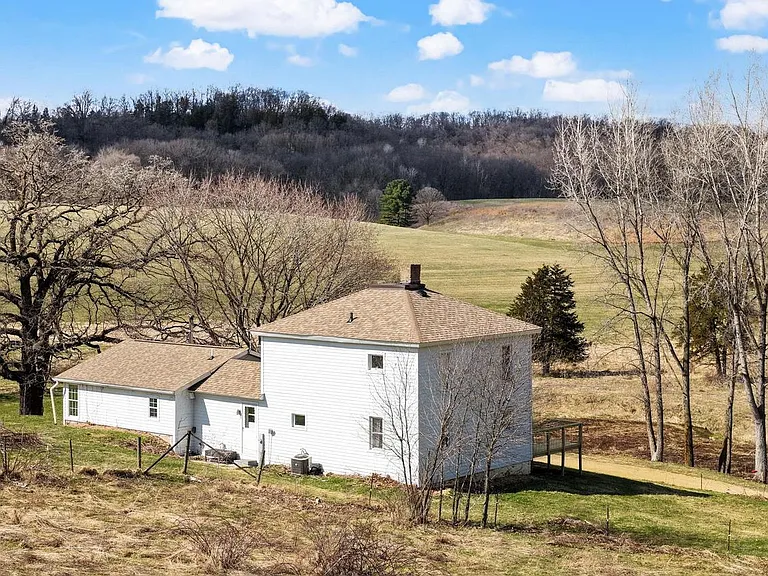
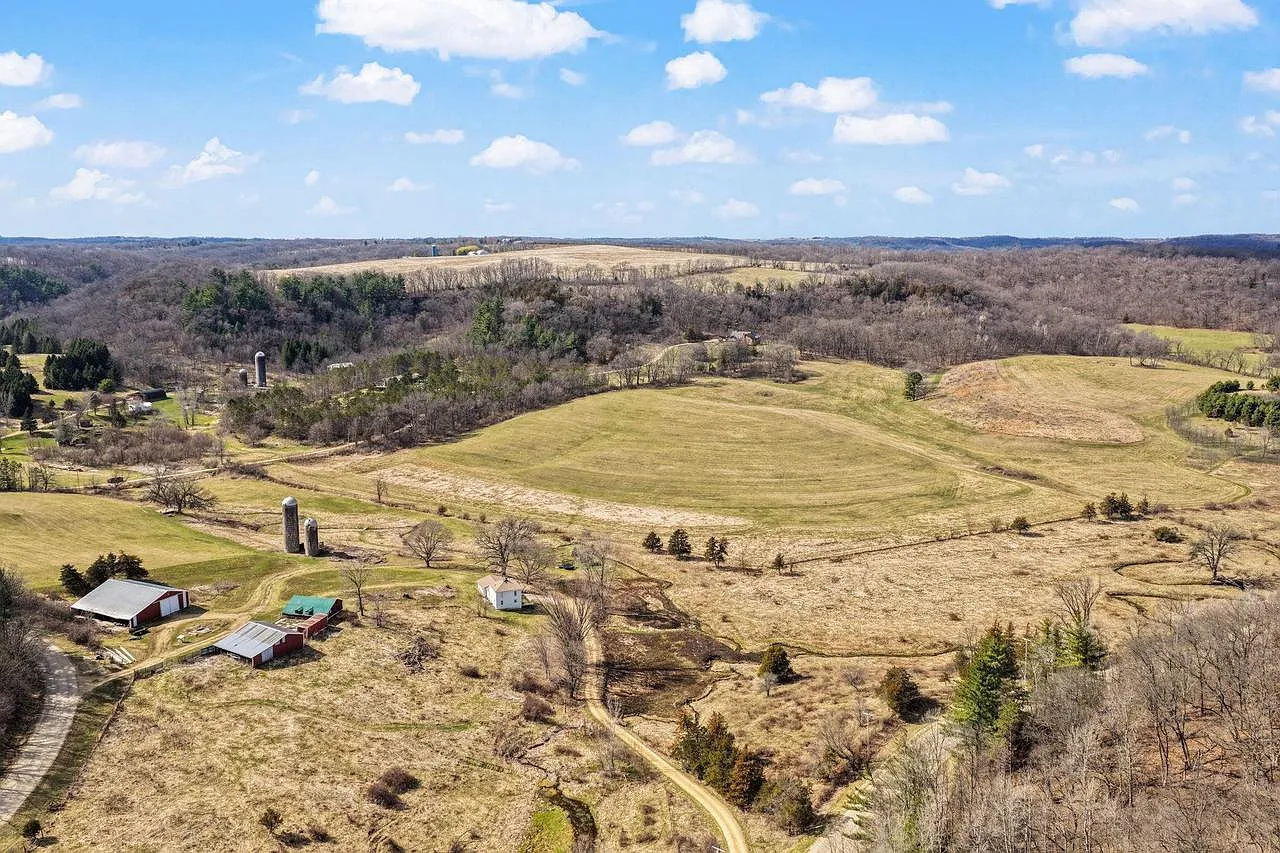
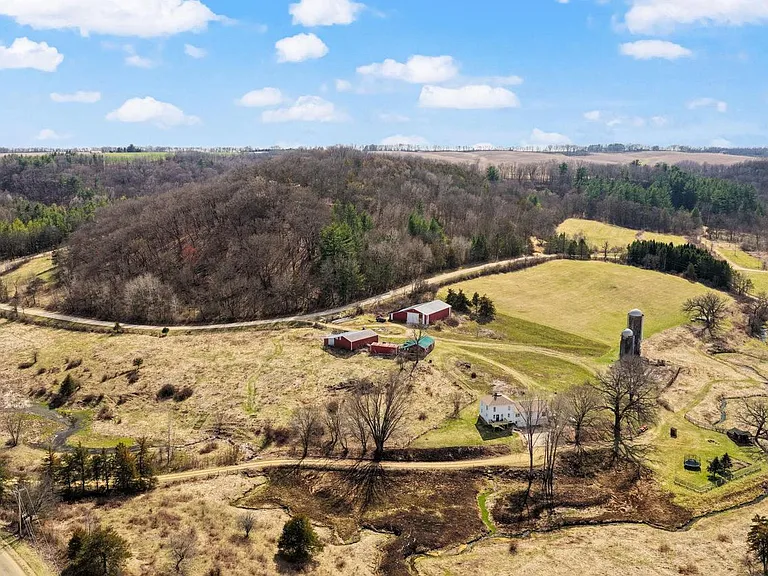
Looking down at the open landscape of Driftless Farm in Wisconsin
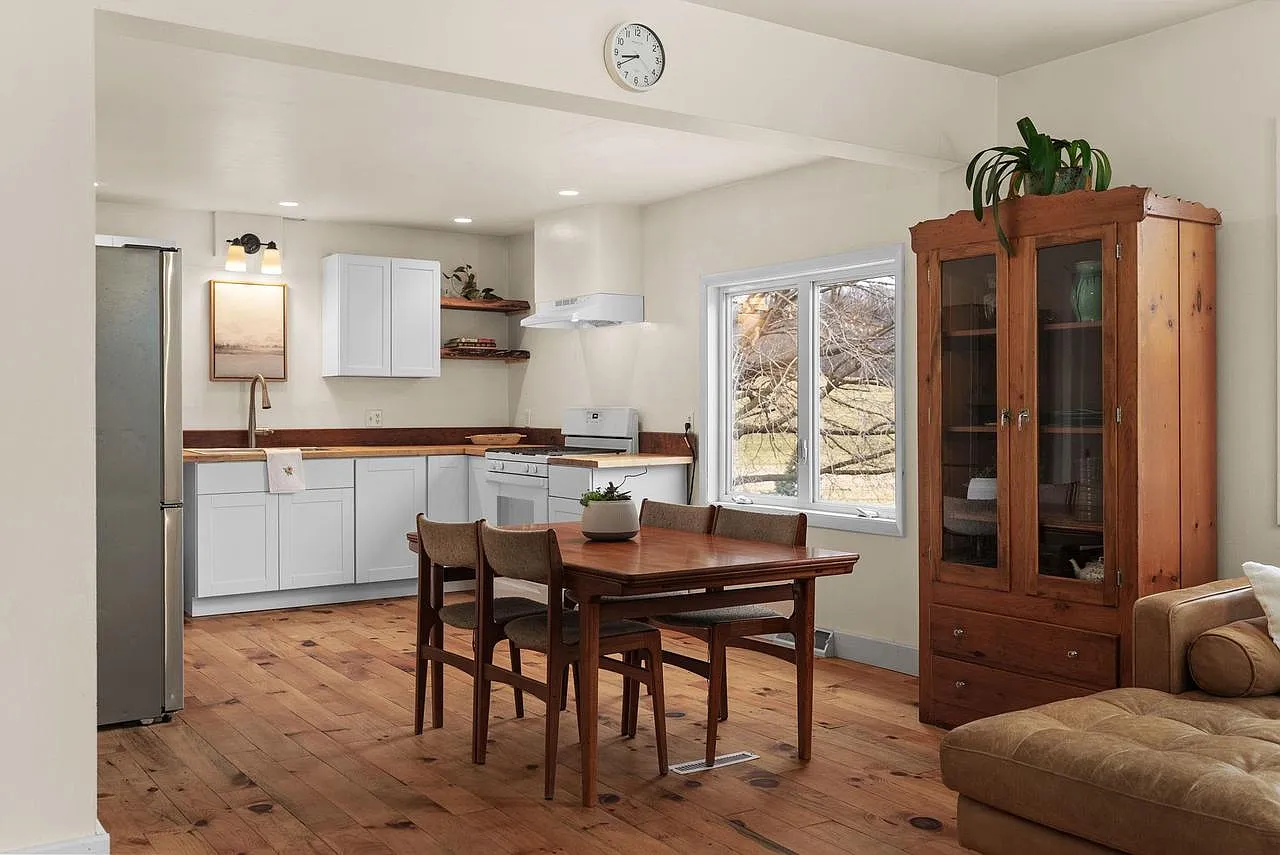
Friends for nearly 30 years, two families from outside Chicago just closed on a farm in Wisconsin's Driftless Region. The numbers weren't what brought them there. Their lives had simply grown together long enough that shared land felt like the natural next step.
They raised children side by side. Showed up through decades of ordinary and extraordinary. Celebrated milestones together and moved through the harder passages, too. As one buyer wrote to the seller: "We came out the other side with a friendship that feels more like family."
Their decision wasn't investment logic. It was a bet on continuity, on creating a place their children and grandchildren would keep returning to long after the adults who built it are gone.
The Rise of Co-Buying Land
This kind of purchase used to be called unconventional. It's becoming common.
A 2025 national co-ownership survey found that nearly 30% of U.S. home purchases now involve co-buyers, and more than 61 million Americans co-own property with someone who isn't a spouse. The shift is already well underway. What's changing now is the intention behind it.
More people are buying land together, not because they can't afford it alone, but because alone isn't the point.
At its most deliberate, co-buying means entering into shared stewardship of a landscape — pooling resources, yes, but also skills, values, and vision. Farming the same fields. Protecting the same watershed. Building traditions on the same ground. It pushes back against the idea that ownership is fundamentally a solo act, that the goal of land is a private retreat from the world rather than a deeper stake in it.
At Latitude, we're watching this unfold across multiple regions as a genuine rethinking of how people want to live. Latitude founders, Neal and Alissa, co-purchased their farm on Whidbey Island with family, building something rooted in the Puget Sound's rhythms of tide and forest and long familiarity.
In another recent example, Latitude Change Agent Nathan Reimer is representing a group outside Portland that spent three years living together before buying land, testing rhythms and friction before committing to shared acreage.
These aren't simply real estate decisions. They are experiments in interdependence, trust, and alternative pathways to living.
Why These Regions Are Resonating
It's no coincidence that so many of these stories are unfolding in the Driftless Region, the Puget Sound, and the peri-urban edges around Portland.
Each place has its own character, but they share something beyond scenery: a culture that takes stewardship seriously, and landscapes that reward that kind of attention.
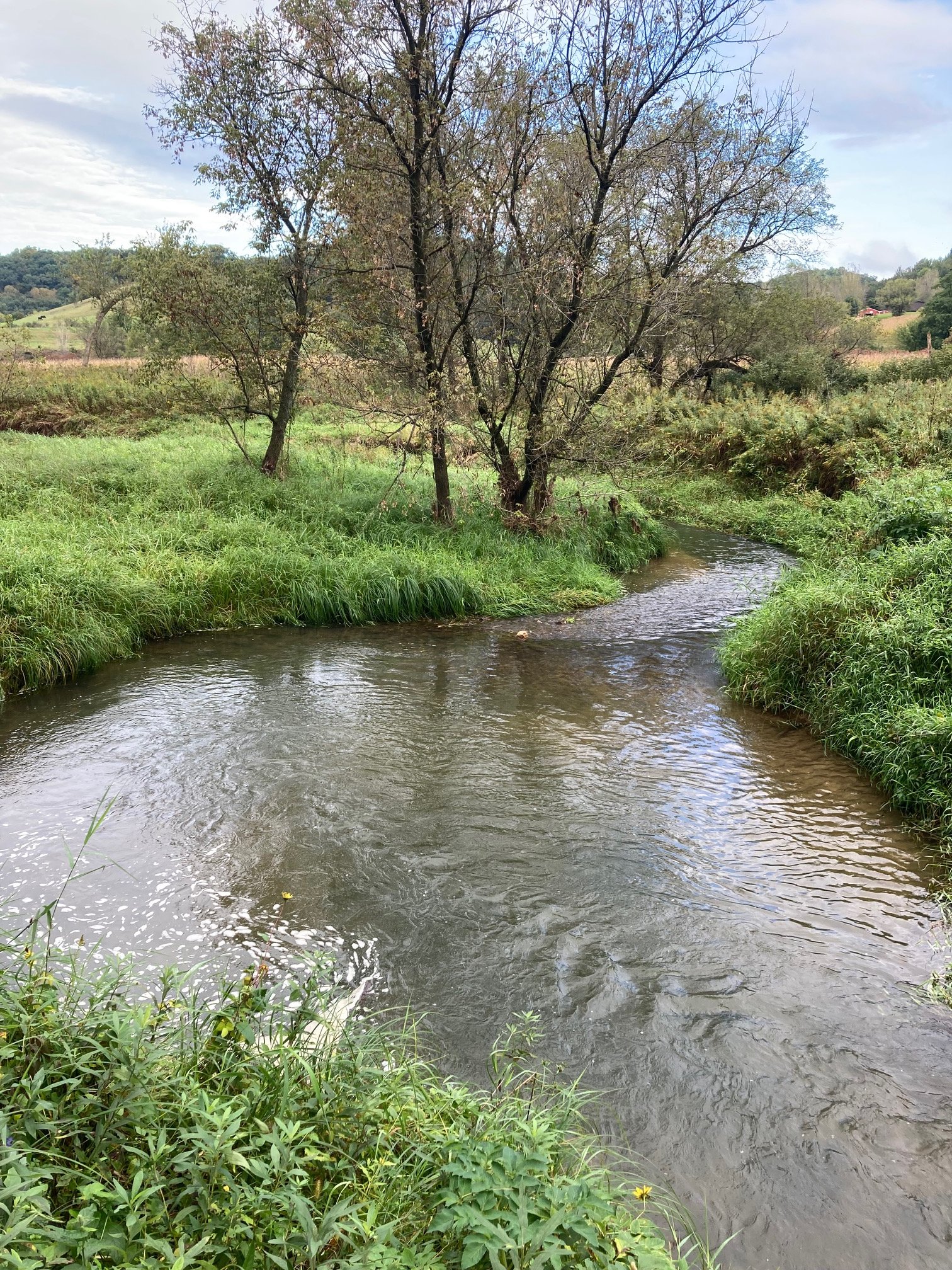
The Driftless takes its name from what never happened there. While glaciers flattened most of the Midwest, this area was bypassed entirely, leaving behind deep river valleys, spring-fed creeks, limestone bluffs, and oak savannas that shelter some of the most biologically rich ecosystems between the Appalachians and the Rockies. A new wave of regenerative farmers has found here something increasingly rare: affordable acreage with genuine ecological integrity.
The Puget Sound offers a different richness. On islands like Whidbey, working farmland sits alongside old-growth forest, tidal estuaries, and productive marine waters. The communities here have long attracted people drawn to a life shaped more by tide and season than commute and calendar, with a culture of self-sufficiency and conservation that runs genuinely deep.
Around Portland, the draw is different again. Many buyers here aren't fleeing the city so much as expanding their radius, looking for acreage that can anchor a life already pointed toward resilience and rootedness, close enough to maintain connection, far enough to support something more land-based.
People arrive for the beauty. They stay for the possibility of a different kind of life, one that is slower, more rooted, and more deliberately made.
A Different Definition of Legacy
What's striking about these stories isn't the land itself. It's the quality of attention buyers bring to it.
Again and again, we hear buyers talk less about ownership and more about continuity: the slow accumulation of shared memory, of children who grow up knowing a place, of friendships that deepen because there's somewhere to return to.
In the case of the Driftless farm, the buyers expressed no interest in subdivision or development. Their plan is to farm only a small portion of the land, preserve the rest in woodland and pasture, and care for the springs and creek systems already present on the property. Their measure of legacy isn't square footage or future resale.
It's what happens there over time. Who returns. What grows. What's cared for.
That, increasingly, is what people mean when they talk about land. Not acquisition but stewardship. Not independence but interdependence. Not ownership as an endpoint, but as the beginning of something harder, and more worthwhile, to build.
Looking for Land Aligned With Your Values?
Latitude works with buyers seeking farms, homesteads, recreational land, and regenerative properties in Wisconsin, Oregon, and Washington. Whether you're exploring co-buying or searching for land that supports a more intentional way of living, we'd love to help you find it.
Explore current listings or connect with our team to begin your search.