On a summer Saturday morning in Madison, Wisconsin, the streets surrounding the State Capitol fill with the scent of fresh bread, roasting coffee, and just-picked vegetables.
Farmers arrive early, unloading trucks packed with tomatoes, greens, flowers, cheese, and pasture-raised meats. Chefs weave through the crowd, selecting ingredients for the evening's menu. Residents move through the stalls at their own pace, greeting farmers they've come to know over years of Saturday mornings.
This weekly ritual centers around the Dane County Farmers' Market, one of the most celebrated producer-only farmers’ markets in the United States. But Madison's food culture runs far deeper than any single market.
What makes the city remarkable is the ecosystem behind it: a durable relationship between nearby farms, chef-driven restaurants, community institutions, and residents who have built their lives around local food. For people exploring what it means to live in a place that takes food seriously, Madison is one of the strongest examples in the country.
It's one of the reasons we consider Madison one of the best places to live right now.
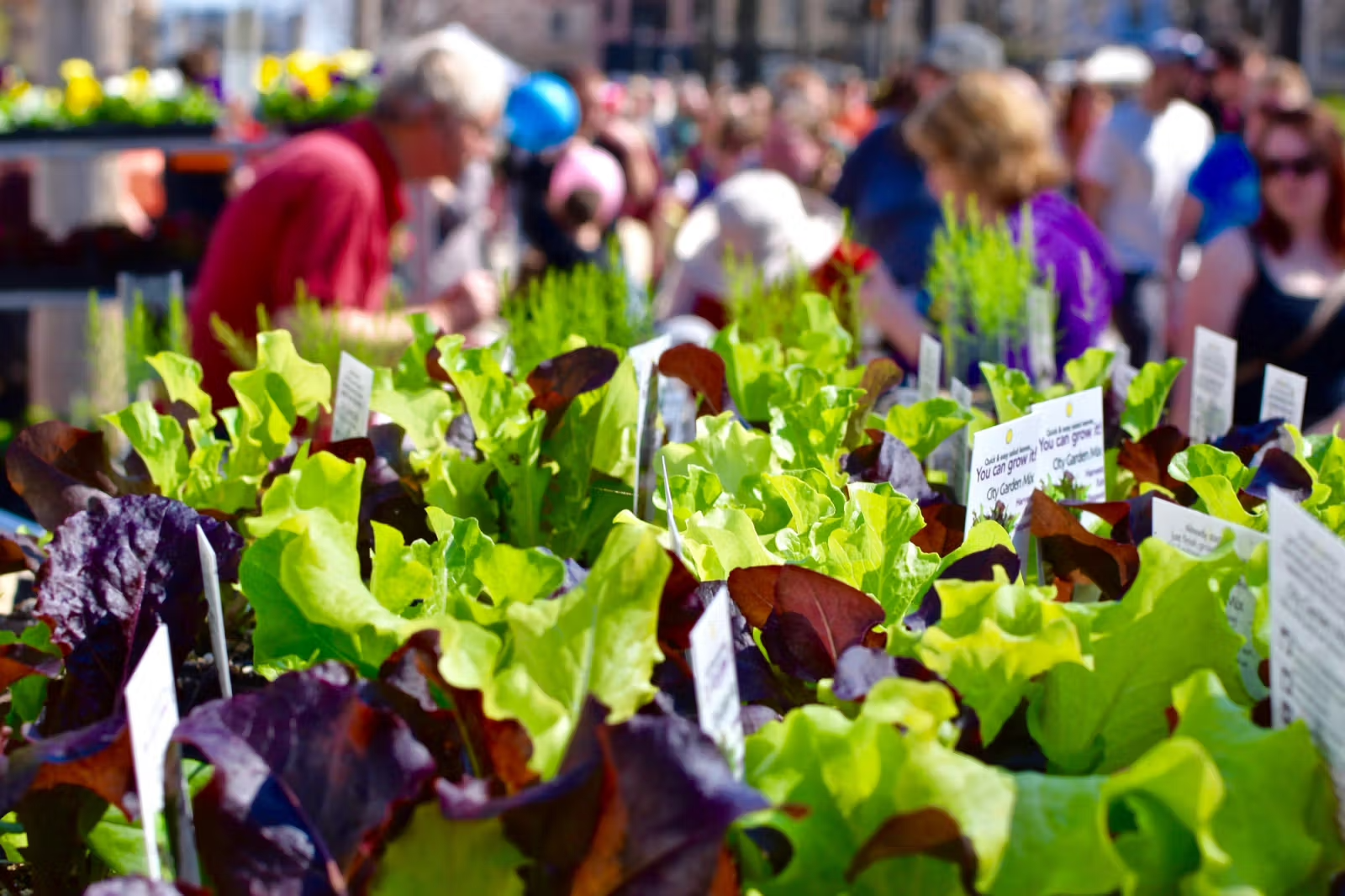
Saturday morning at the Dane County Farmers’ Market, the largest producer-only market in the United States.
The Dane County Farmers' Market: A City's Saturday Ritual
Founded in 1972, the Dane County Farmers' Market has become a fixture of Madison life in the truest sense.
Every Saturday from spring through fall, more than 150 vendors circle the Wisconsin State Capitol building, creating the largest producer-only farmers market in the United States. That producer-only designation matters more than it might seem. Unlike markets where vendors can resell wholesale goods, every seller here must grow or produce what they bring. The person behind the table is the farmer who harvested the vegetables that morning, the cheesemaker who crafted that cheddar, the baker who milled the flour from regional grain.
That direct relationship between grower and eater creates something rare: transparency, accountability, and genuine trust in the food system. It also reflects something deeper about how Madison relates to the land around it, with attention and care, rather than at arm's length.
Why the Land Makes This Possible
Madison's food culture is inseparable from its landscape.
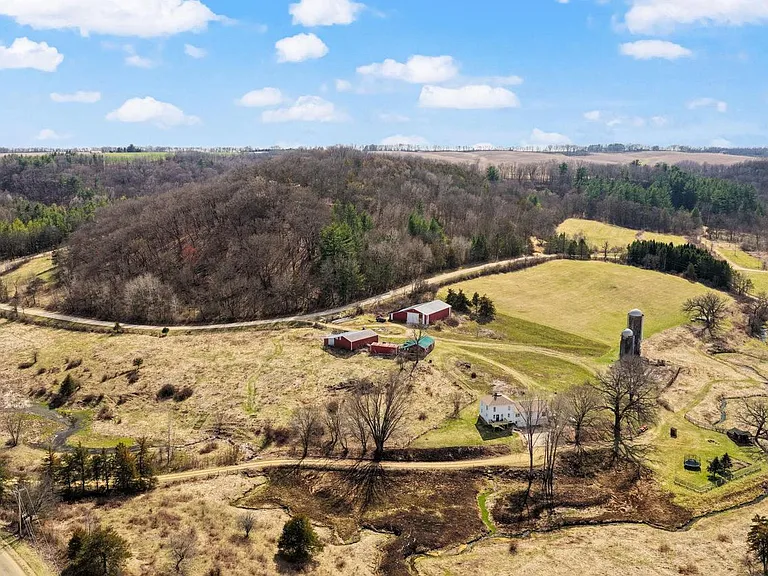
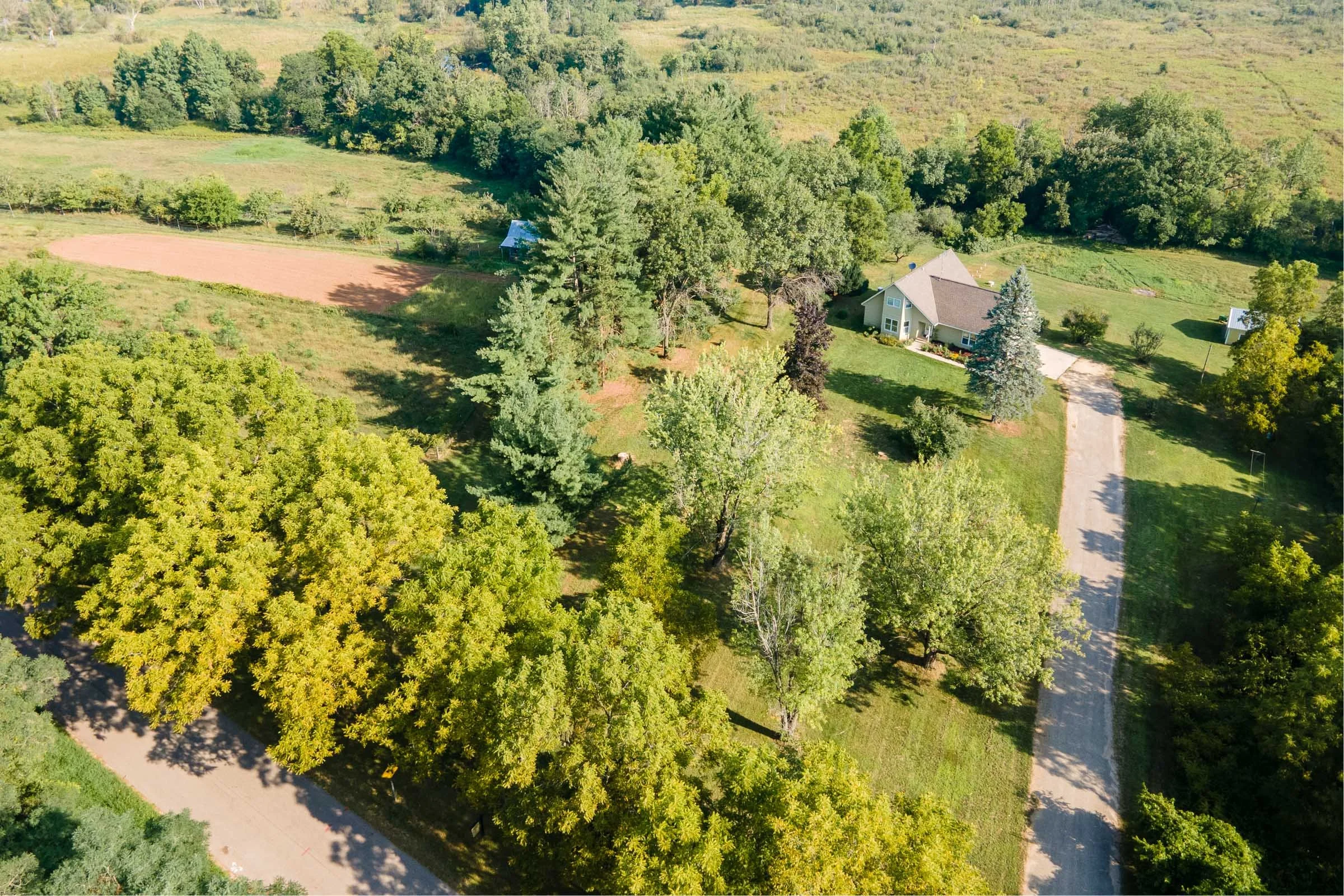
The city sits within southern Wisconsin's fertile agricultural region, and just to the west lies the Driftless Area, a stretch of the Midwest left untouched by glaciers during the last Ice Age. Its rolling hills, diverse ecosystems, and rich soils create unusually favorable conditions for farming. Within an hour of the city, you'll find organic vegetable farms, grass-fed livestock operations, world-class dairy producers, orchards, and grain farmers supplying regional bakeries.
Because the land is so close, ingredients can move from field to table in hours rather than days. That proximity makes Madison's farm-to-table culture not a marketing claim, but a daily reality that shapes how chefs cook and how residents eat.
Restaurants That Cook with the Season
Madison's restaurant scene has long reflected this connection to the land around it.
One of the pioneers of this movement is L'Etoile, a restaurant that has maintained close relationships with Wisconsin farmers since opening in 1976, long before farm-to-table became a national conversation. Next door, its sister restaurant Graze shares the same ownership and building, extending that philosophy into a more casual register — a hyper-local menu with sweeping views of the farmers market below.
That tradition continues across the city. Fairchild centers its kitchen on seasonal Midwestern cuisine with refined technique. Mint Mark has earned a devoted following for vegetable-forward dishes and inventive flavors. Forequarter operates as both a restaurant and a butcher shop, committed to whole-animal sourcing and regional supply chains. Lombardino’s brings Italian cooking to bear on Wisconsin ingredients through long-standing relationships with local producers.
In Madison, menus evolve with the land. Asparagus arrives in spring. Tomatoes define summer. Root vegetables anchor fall. Chefs here often know the farmers who grow their ingredients by name because they've been buying from them for years.
The Farmers Behind the Culture
No food culture exists without the people who grow it.
Voss Organics and Flynn Creek Farm represent a particularly intentional corner of the Madison food ecosystem — partner farms united by biodynamic and regenerative practices. Voss contributes biodynamically grown seedlings to local markets and home gardeners, while Flynn Creek Farm serves as a primary producer for Forage Kitchen restaurants, a relationship that embodies the close farm-to-table partnerships that define Madison's food culture at its best.
Other important farms in the region include Harmony Valley Farm, whose CSA programs and market presence stretch across the Midwest; Driftless Organics, one of the area's best-known organic vegetable operations; Vitruvian Farms, just outside Madison, where soil health drives every growing decision; and Seven Seeds Farm, which supplies the farmers' market and a devoted circle of local restaurants.
Many of these farms operate CSA programs: Community Supported Agriculture subscriptions that allow residents to receive weekly boxes of fresh produce throughout the growing season. These relationships are among the most direct ways a person can connect with the land that feeds them.
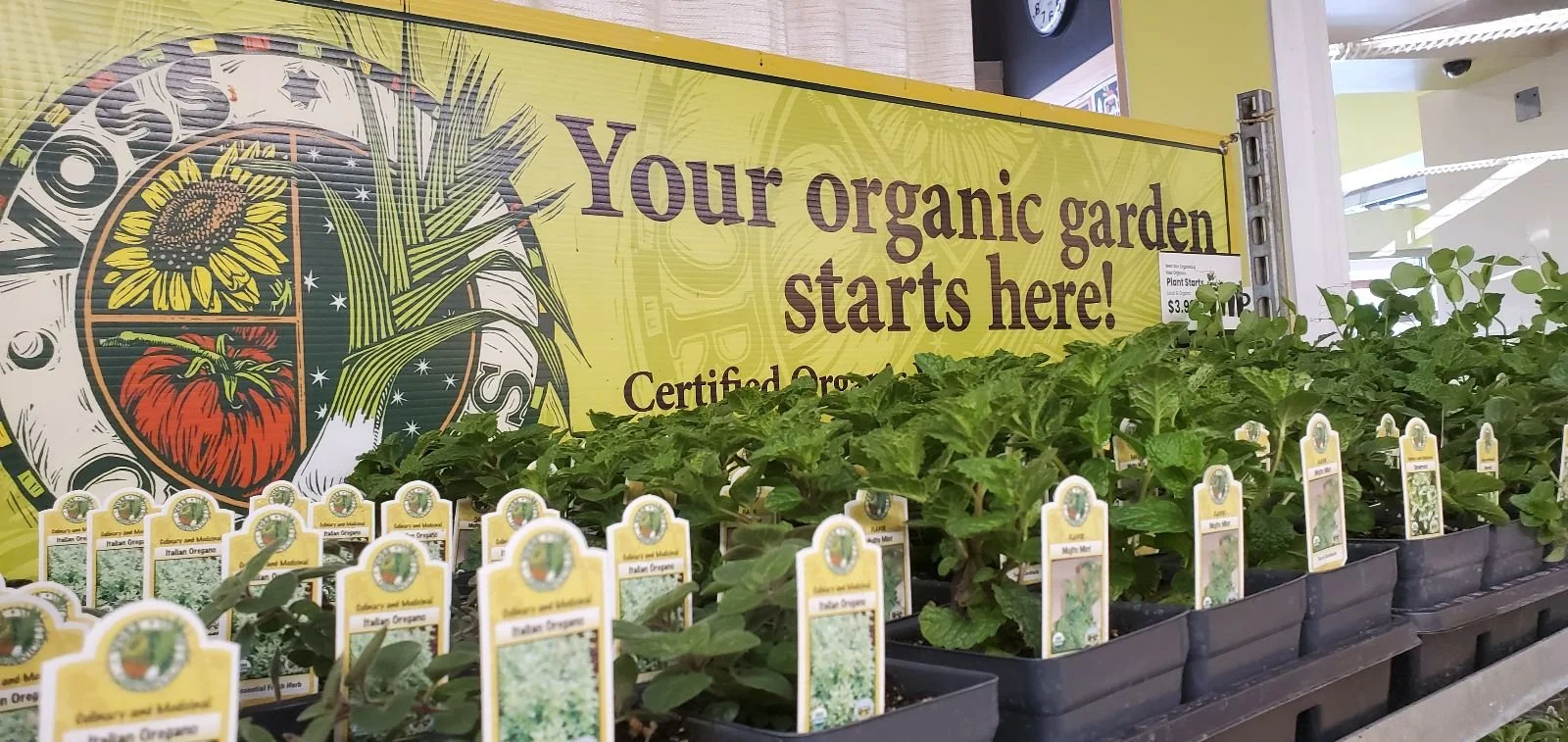
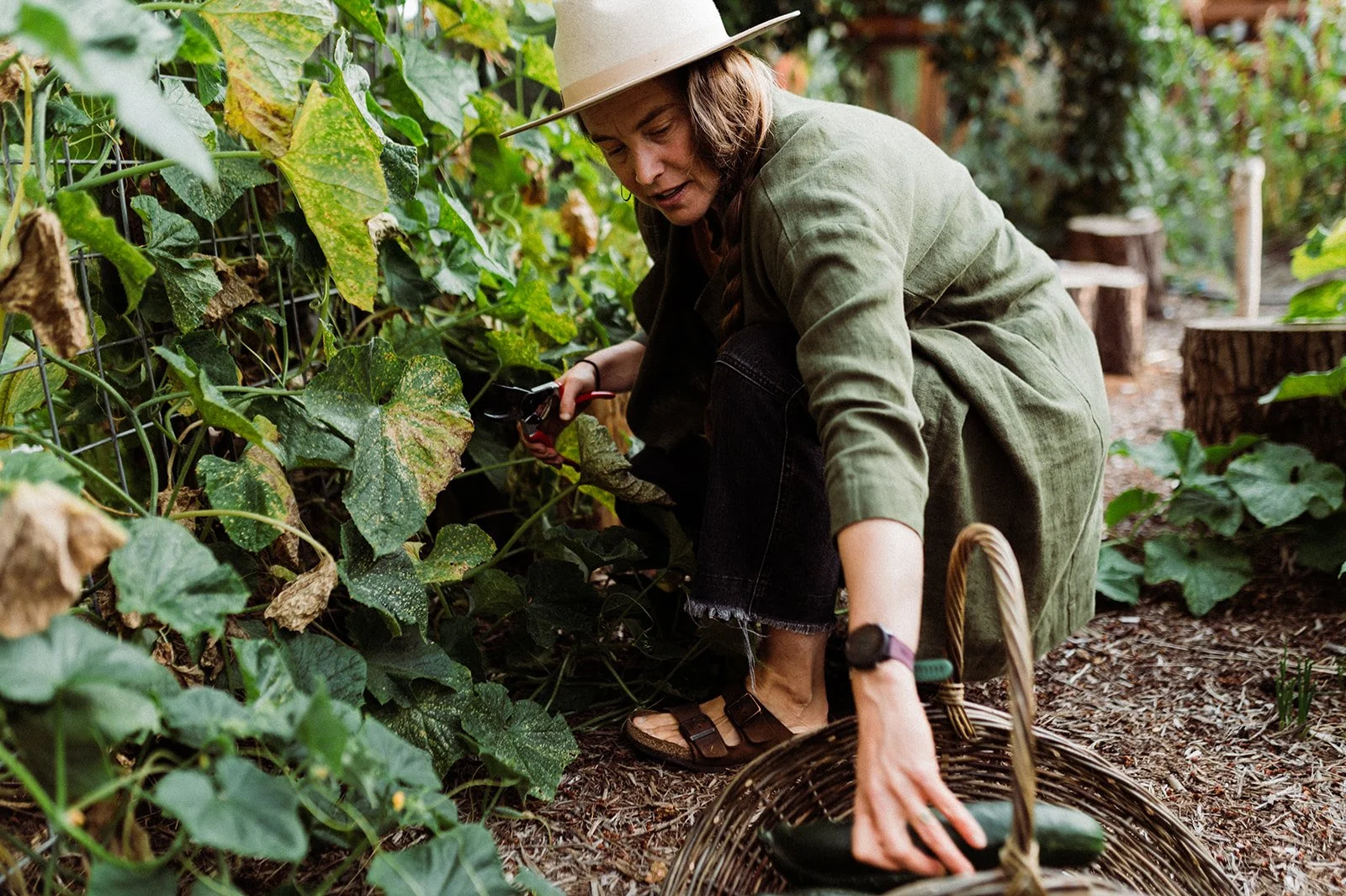
Local farm Voss Organics at the local food nexus the Willy Street Co-op, which supports the fabric of the food system.
Institutions That Hold the System Together
Madison's food culture is also sustained by organizations that work to make local food accessible and resilient at a community scale.
Willy Street Co-Op, a community-owned grocery with multiple locations throughout the city, has long prioritized local sourcing, making it possible for residents to access food from nearby farms year-round, not just on Saturday mornings.
FairShare CSA Coalition knits together the Madison area's unusually dense network of CSA farms, coordinating member farms, running a nationally-reaching listserv where organic farmers share knowledge and support one another, and sponsoring Bike the Barns, an annual fundraiser that underwrites subsidized CSA shares for hundreds of local families.
REAP Food Group, a local nonprofit, connects farmers with schools, restaurants, and institutions through farm-to-school partnerships that bring local food into children's everyday lives.
These institutions do something that individual farms and restaurants can't do alone: they create infrastructure. They make the food system more durable, more equitable, and more deeply rooted in the community.
The University as a Thread in the Fabric
The University of Wisconsin–Madison is another force in the city's food ecosystem.
Within UW–Madison, the Center for Integrated Agricultural Systems (CIAS) has been a particular force for small-scale and organic growers, offering research and resources on sustainable practices, soil health, and climate adaptation. Its mission aligns closely with Madison's farmers market culture, even as the university's broader agricultural ties are more complicated. Meanwhile, the student population brings an appetite for culinary curiosity: global influences that weave into a city already grounded in regional tradition.
It's one of the qualities that keeps Madison from feeling static. Innovation and heritage coexist at the table here.
What This Means for People Considering a Move
For many people relocating to Madison, the food culture becomes one of the most meaningful parts of daily life and one of the least expected.
Food stops being something you simply purchase. It becomes something you participate in: choosing a CSA farm, learning which vendors to visit at the market, and watching a restaurant menu shift with the weeks. Residents build rhythms around Saturday mornings at the Capitol, summer boxes of vegetables, and evenings at restaurants where the chef knows the farmer who grew the greens.
That rhythm tends to deepen into something larger: a sense of connection to the community and to the land itself.
A Food System Built on Relationships
What sets Madison apart isn't any single element. It's the web of relationships holding everything together.
Farmers know the chefs who cook their ingredients. Residents know the farmers who grow their food. Restaurants build menus around what the land provides each season. Community institutions create pathways for more people to participate.
That interconnection creates something rare: a food culture that feels both vital and stable, one that has been growing for decades and continues to deepen.
It's part of why Madison is recognized as one of the strongest food cities in the Midwest, and part of why we find it such a compelling place to call home.
Thinking About Madison?
For many people, discovering Madison's food culture is the beginning of a longer conversation about neighborhoods, pace of life, and what it means to live somewhere that reflects your values.
At Latitude, we work with buyers who are thinking carefully about where they put down roots. We believe that choosing where to live is one of the most important decisions a person can make and that the right place is one where the landscape, the community, and the daily rhythm support the life you're trying to build.
If you're exploring what living in Madison could look like, we'd love to be part of that conversation.
Frequently Asked Questions
Why is Madison known for its farmers’ markets? Madison is home to the Dane County Farmers' Market, the largest producer-only farmers’ market in the United States. Every vendor grows or produces what they sell, a distinction that creates genuine trust between growers and the community.
Does Madison have a strong farm-to-table restaurant scene? Yes, and it has for decades. Many Madison restaurants have long-standing relationships with nearby farms and build their menus around what's actually in season, rather than importing ingredients to simulate seasonality.
Is Madison a good city for people who care about local food? Madison has one of the most integrated regional food systems in the Midwest, supported by farmers’ markets, community-owned grocery stores, nonprofit food organizations, and farms within an hour of the city.
What food is Madison, Wisconsin, known for? Fresh farm produce, world-class Wisconsin cheese, whole-animal butchery, seasonal restaurant menus, and a farmers market culture that has been shaping daily life in the city for more than fifty years.
Related reading: Why Madison, Wisconsin, Is One of the Best Places to Live Right Now