Why Madison, Wisconsin, Is One of the Best Places to Live Right Now
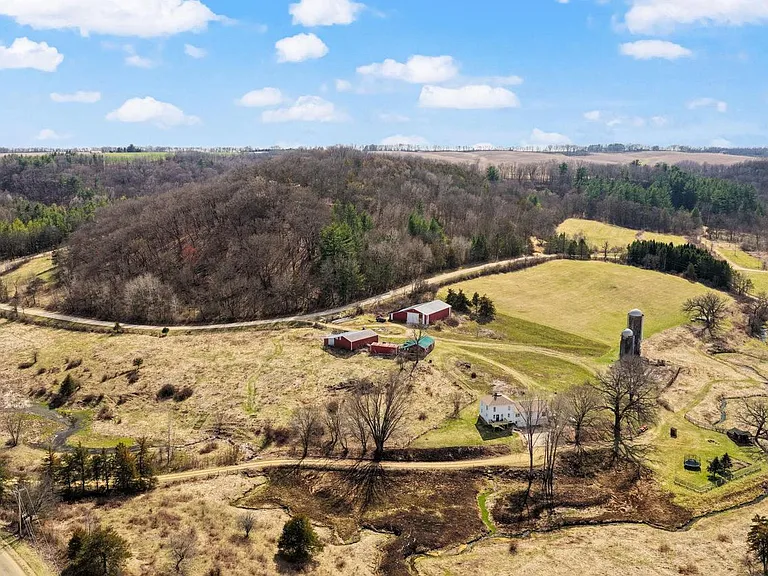
For buyers looking beyond hype and toward long-term quality of life, Madison, Wisconsin, continues to stand out. It offers something that many fast-growing cities are trying to manufacture after the fact: a strong sense of place, a daily relationship with nature, and a culture that still feels human in scale.
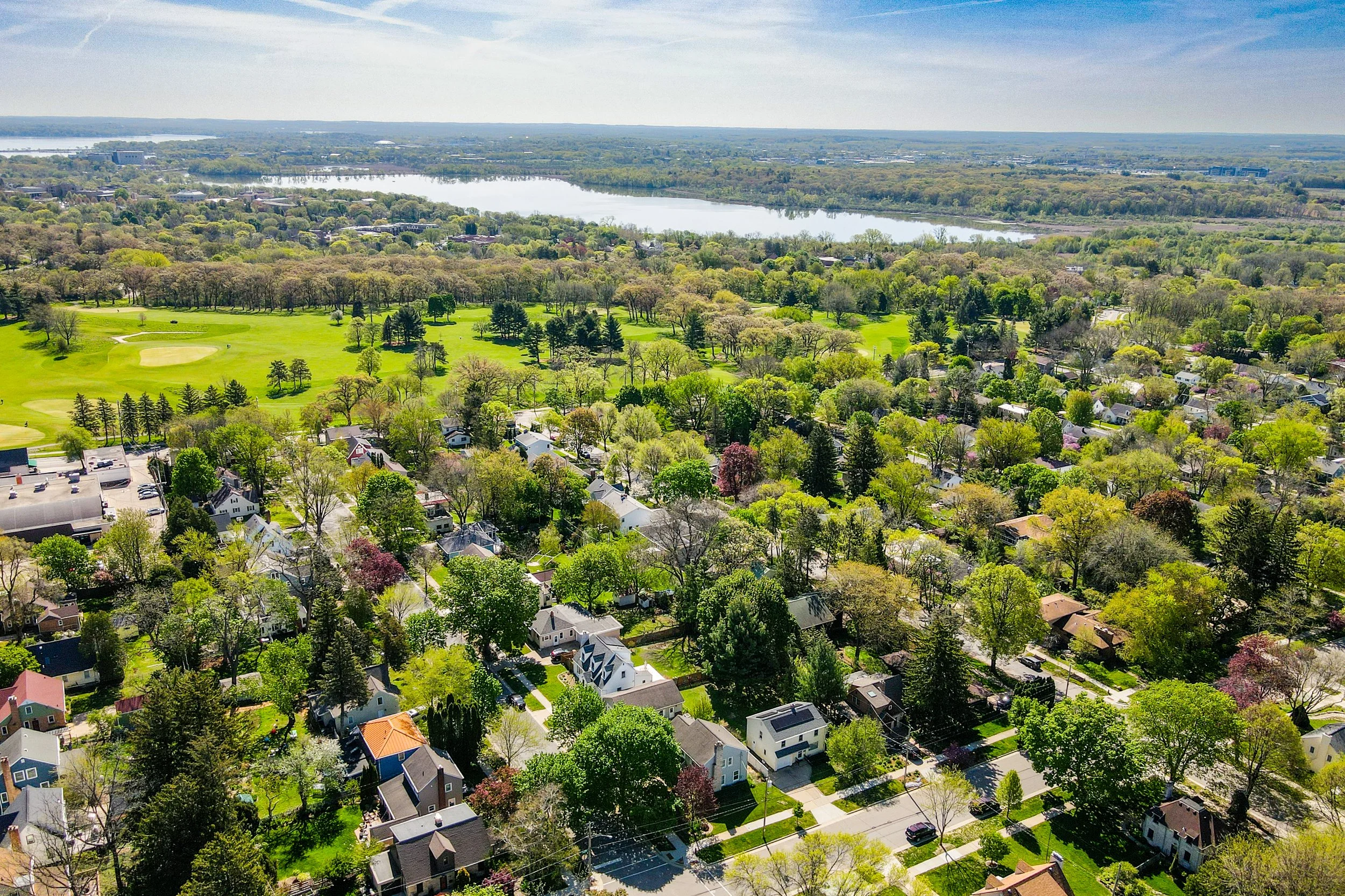
Madison sits on an isthmus between lakes, with a landscape shaped as much by water, trails, and public life as by streets and neighborhoods. It is a city where people move between farmers’ markets, bike paths, campuses, parks, and local businesses with real ease. For many, that translates into a way of living that feels healthier, more connected, and more resilient over time.
If you’re considering living in Madison, Wisconsin, or looking more closely at Madison real estate, here are a few reasons the city continues to rise to the top of so many lists.
Madison's unique blend of lakes, local food, bike infrastructure, and community-centered living continues to make it one of the most desirable places to call home.
A Food Culture Rooted in Seasonality and Community
Madison’s food culture is one of its biggest strengths, but not because it chases trends. What makes it special is the depth of its connection to surrounding farmland and the people who grow, raise, and make food nearby.
The Dane County Farmers’ Market is one of the clearest expressions of that culture. The market describes itself as a producer-only market, meaning the person at the stand is the person who grew or made what they are selling. It operates year-round and includes roughly 220 vendors, with more than 130 members attending on Saturdays during peak season. That kind of direct relationship between city and countryside creates a richer daily food life than many larger metro areas can offer.
But the appeal goes beyond the market itself. Madison benefits from a broader agricultural culture in Dane County that feels personal rather than industrial. For people who care about local food systems, seasonal eating, and a more grounded rhythm of consumption, the city offers access to a genuinely lived farm-to-table environment, not just the branding of one.
In practical terms, that means better ingredients, stronger connections between producers and residents, and a lifestyle shaped by what is actually in season. For buyers interested in health, community, and a more regenerative relationship to place, that matters.
One of the Most Bikeable Cities in the Midwest
Madison has earned its reputation as one of the most bike-friendly cities in the country through years of real investment in infrastructure, advocacy, and culture.
The city and region maintain extensive bike resources through the Greater Madison MPO, including the Dane County bike map and a low-stress route finder designed to help residents choose safer, more comfortable routes. The area also connects riders to major corridors and scenic trails, including the Capital City State Trail, which now stretches over 20 miles and links into other regional trail systems.
UW–Madison strengthens that culture even further. The university’s Platinum Bicycle Friendly University renewal noted that the campus has about 16,540 bike parking spaces compared with roughly 13,500 car parking spaces, along with miles of off-street paths, on-street lanes, and the East Campus Mall woonerf designed to prioritize cyclists and pedestrians. In other words, biking is not treated as recreational only. It is built into how people actually move through the city.
Access also matters. Madison BCycle’s official university information says the system offers 500-plus electric bikes at 90 stations across the metro area, making it easier for residents and visitors to use biking as part of everyday life. Meanwhile, Madison Bikes continues to advocate for closing gaps in the network and ensuring equitable access to high-quality bike infrastructure across the city.
For people considering a move, bikeability is not a minor amenity. It changes how a place feels. It makes neighborhoods more connected, reduces dependence on driving, and supports a healthier, more engaged way of living.
Outdoor Living Is Built Into Daily Life
One of the most distinctive things about Madison is that outdoor living is not reserved for weekends. It’s part of the city’s everyday rhythm.
Madison is organized around the five Yahara lakes — Mendota, Monona, Wingra, Waubesa, and Kegonsa — with abundant opportunities for boating, paddling, swimming, fishing, and lakeside recreation. The region’s trail network and shoreline access make it unusually easy to stay in contact with water and green space on a daily basis.
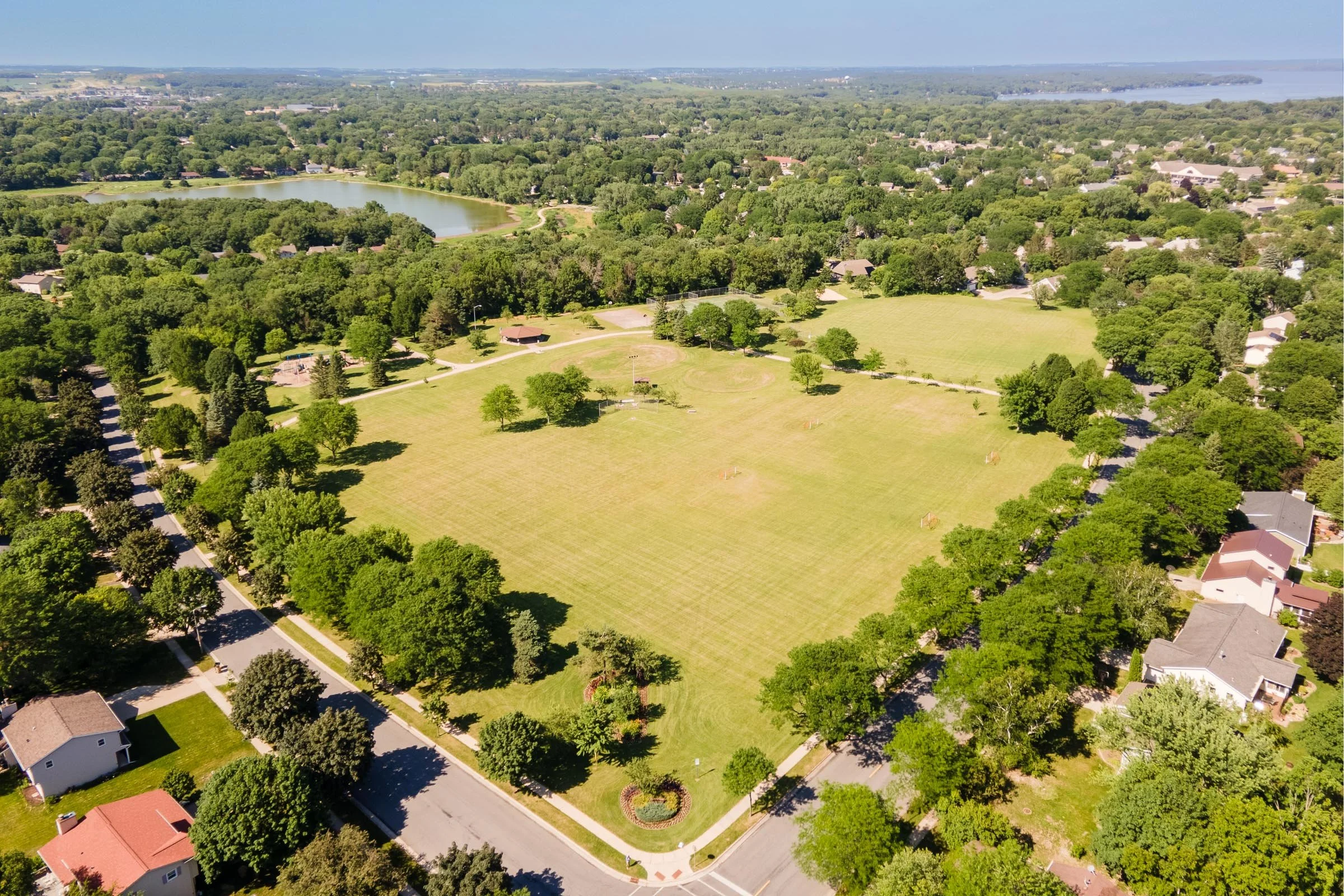
The parks system reinforces that lifestyle. Destination Madison highlights more than 270 parks and 12 beaches in the area, while the city also offers extensive public parkland, beaches, and year-round access to outdoor recreation. Residents can move from summer paddles and bike rides to winter skating, snowshoeing, and trail use without leaving the broader Madison orbit.
That matters because outdoor access is about more than scenery. It shapes mental health, family life, movement, and the pace of everyday living. In Madison, nature is not something you drive hours to reach. It is woven into the structure of the city itself.
For buyers seeking a place where health and lifestyle are supported by the surrounding environment, Madison offers an unusually strong foundation.
Madison’s Climate Position Makes It Increasingly Relevant
Another reason Madison is drawing attention right now is its position within the Great Lakes region.
PBS Wisconsin reported in May 2024 that Madison is routinely cited as one of the country’s climate havens, with the broader Wisconsin and Great Lakes region increasingly recognized as a relative refuge from some of the most severe climate impacts affecting other parts of the United States. That does not mean the city is without risk. Madison still faces challenges, including extreme heat, heavy rainfall, flooding, and periods of wildfire smoke. But compared with regions more exposed to hurricanes, sea-level rise, large wildfires, or chronic drought, its long-term outlook is part of the conversation.
Just as important, the city is not relying on that reputation alone. Madison’s climate and sustainability efforts include goals for 100% renewable energy and net-zero carbon emissions for city operations by 2030 and community-wide by 2050, alongside ongoing work on heat resilience, air quality, green infrastructure, and flood mitigation. City materials also point to watershed studies, stormwater upgrades, and broader resilience planning as part of this effort.
That combination matters: relative geographic advantage paired with active civic planning. For people thinking about where they want to live over the next decade or two, climate resilience is no longer a fringe consideration. It is becoming part of what defines a smart housing decision.
Why Madison Continues to Appeal to Today’s Buyers
What makes Madison compelling is not one headline feature. It is the way multiple qualities reinforce each other.
This is a city where strong food culture supports everyday well-being. Bike infrastructure makes movement easier and less car-dependent. Lakes, trails, and parks keep people close to nature. A major university adds energy, intelligence, and innovation. And the city’s position within the Great Lakes region adds another layer of long-term relevance.
For some buyers, Madison will feel like a lifestyle upgrade. For others, it will feel like a strategic move — toward a city that is livable now and increasingly valuable in the future.
At Latitude, that’s part of what makes Madison so interesting. It is not simply one of the best places to live in Wisconsin because it is pleasant or popular. It stands out because it offers a more connected model of living: one grounded in food, movement, ecology, and community.
And right now, that kind of place feels more important than ever.