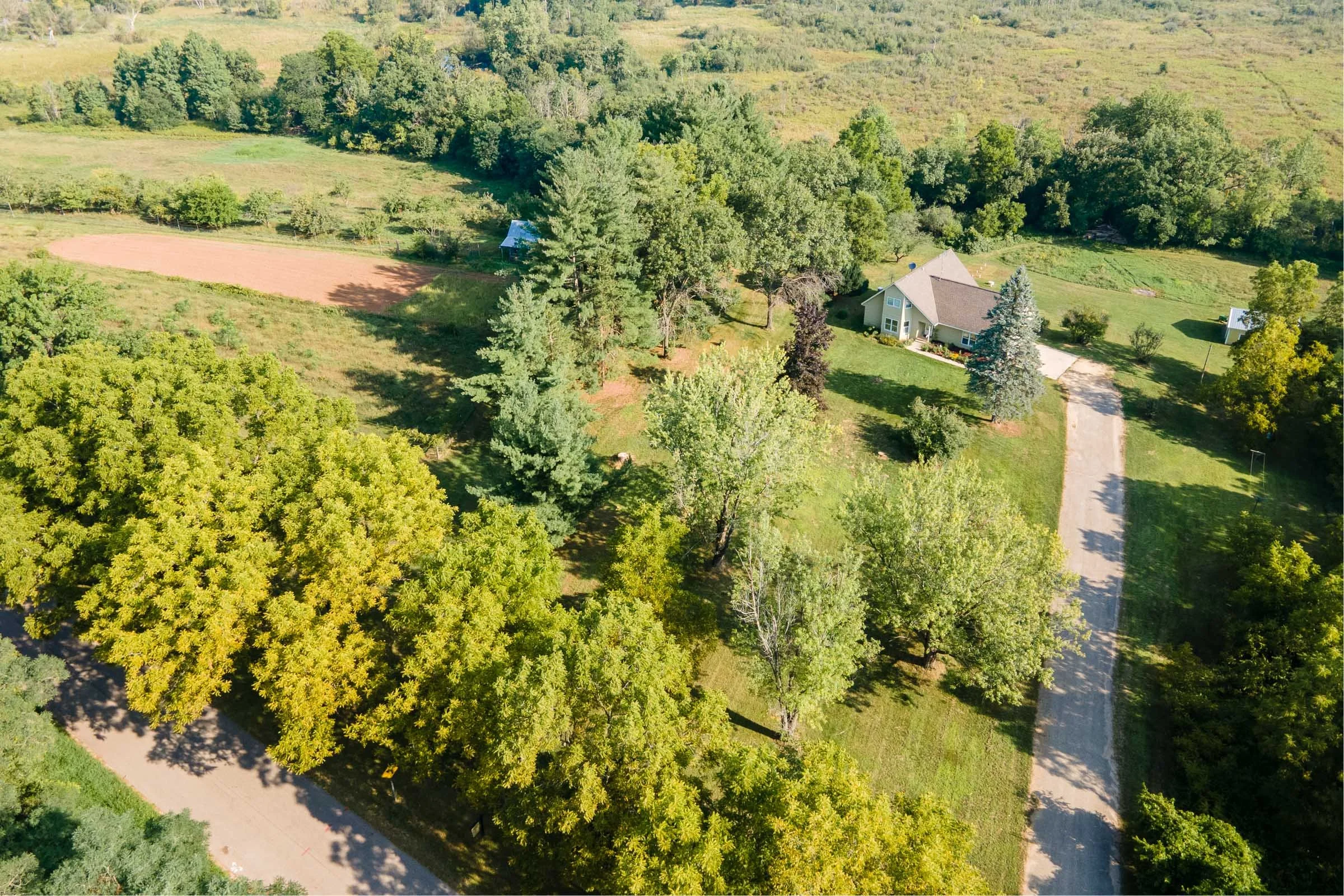
North Star Village-ing: Regenerative Agriculture, Farm Succession & Community Design
In February 2026, farmers, land stewards, investors, and organizers gathered at Sunrise Ranch in Loveland, Colorado, for the Biodynamic Association’s Agriculture, Community & Economics Symposium. The gathering brought together people working across agriculture, land stewardship, and community development to explore the long-term viability of biodynamic and regenerative farming.
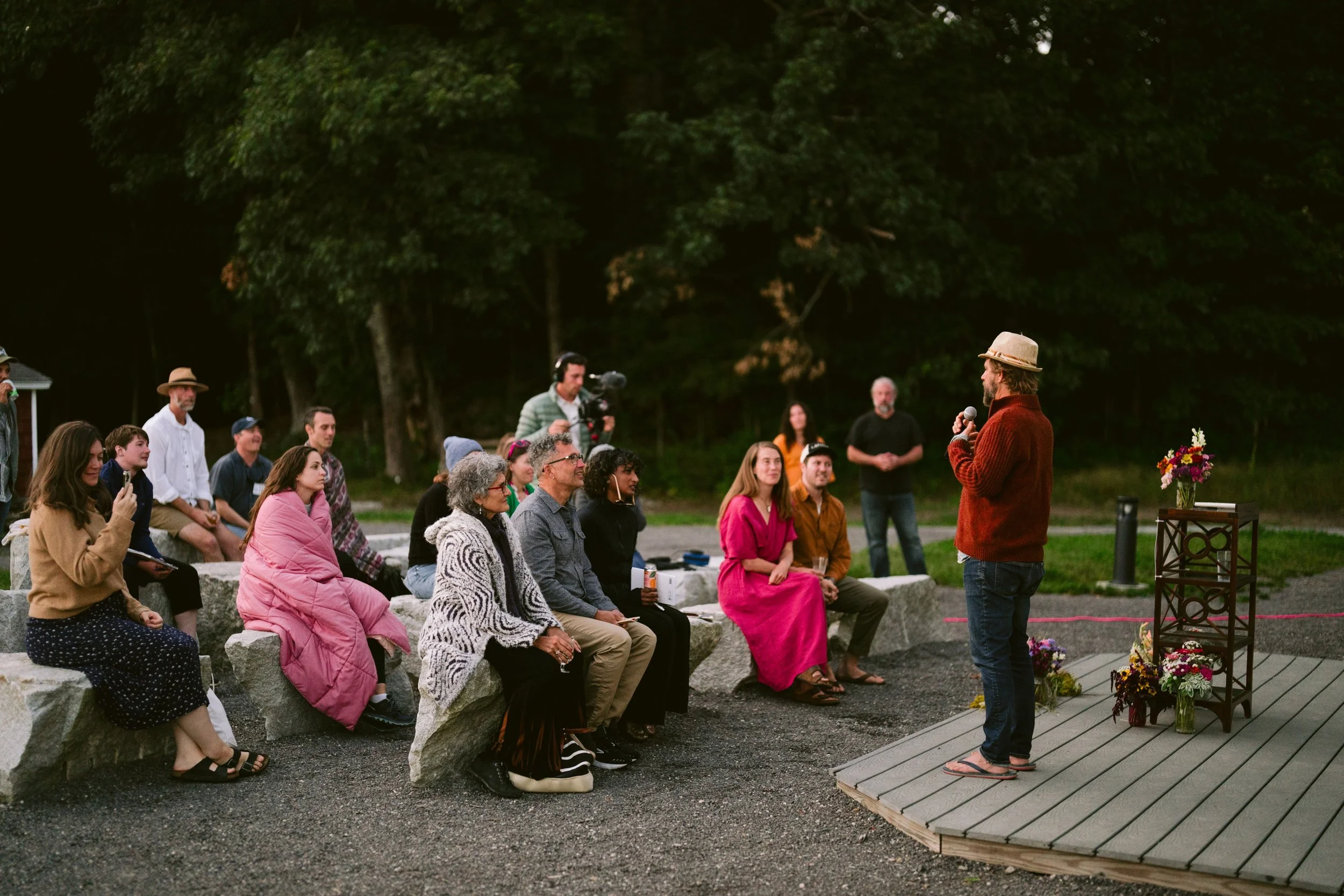
Conversations moved across a wide range of themes, including ecological and cosmic connection, farm succession, nutrition, land ethics and access, capital integration, zoning, and housing. Beneath these discussions ran a deeper question about structure:
If regenerative agriculture is to endure across generations, what kinds of communities allow farms themselves to endure?
During a panel discussion, Mark Voss, Latitude partner and change agent introduced a framework he calls North Star Village-ing.
What is North Star Village-ing?
The concept of North Star Village-ing describes a pattern in which working farms are supported by small, interconnected communities living close to the land. Housing, stewardship, and economic structures are designed to sustain agriculture across generations rather than separating farming from daily life.
Across regions and cultures, farms have historically functioned as living social organisms rather than isolated enterprises. Regenerative agriculture is often discussed through the lens of soil health—cover crops, compost, biodiversity, and biological vitality. Yet the long-term resilience of farms also depends on the human systems that surround them. When housing exists on the land, knowledge passes between generations, leadership is shared, and capital aligns with stewardship, farms are more likely to endure.
North Star Village-ing points toward this integration of agriculture, community, and land stewardship as a guiding direction for the future.
Camphill Communities: A Living Example
One long-standing example of agriculture and community life woven together can be found in Camphill Communities, which were referenced during the symposium as an illustration of how farms can function as social organisms.
Camphill villages, founded in the mid-twentieth century, are intentional communities where people live and work together in settings that often include biodynamic farms, craft workshops, shared housing, and elder care. Many Camphill communities are also home to adults with developmental disabilities who participate fully in village life alongside other residents.
Agriculture is not separated from daily life but integrated into it. Residents live close to the land, and meaningful work circulates across generations and abilities. Land stewardship is typically structured to ensure long-term continuity rather than frequent ownership turnover.
For decades, Camphill villages have demonstrated what becomes possible when agriculture, housing, and cultural life develop together within a single place. In this sense, they offer a living reference point for the kind of integration that North Star Village-ing seeks to describe.
Today, similar impulses are beginning to emerge in new contexts.
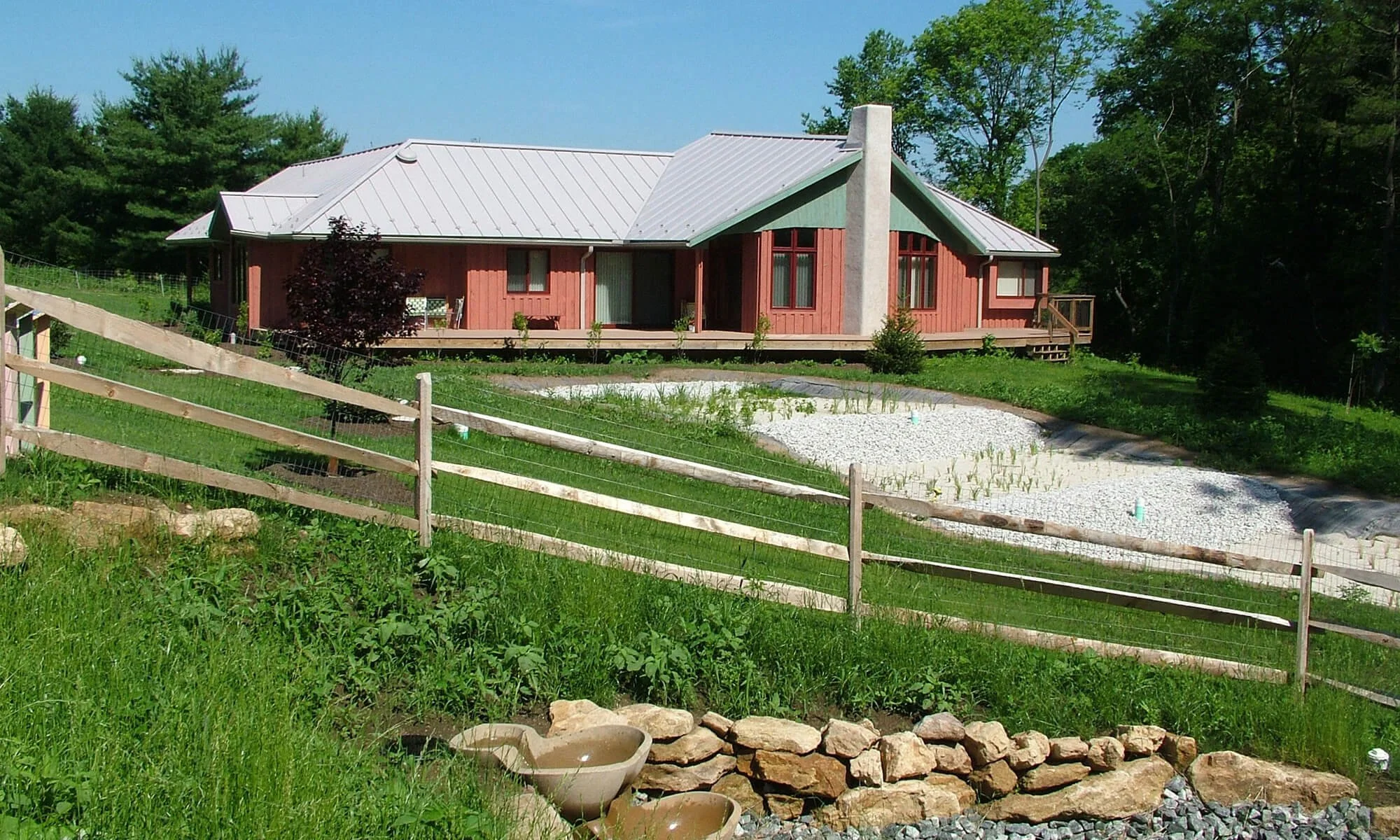
Source: Carnevale Eustis Architects, Camphill Kimberton
Succession Through Overlap: Meadowlark & Winter Green
One of the most urgent questions facing agriculture today is farm succession—what happens when farmers retire, and land must transition to the next generation.
At the symposium, Mark shared examples of farms that have approached succession not as a sudden transfer of ownership, but as a gradual process of collaboration and shared stewardship.
At Meadowlark Organics in Wisconsin, an elder organic grain farmer invited successors onto the land while he was still actively farming. Housing on the farm made it possible for multiple people to live and work there together for nearly eight years. Knowledge transferred through daily experience: planting cycles, harvest, marketing decisions, equipment repair, and conversations around the kitchen table.
Seller financing allowed the elder farmer to maintain income continuity while gradually passing ownership to the next generation. During this period, the farm expanded its work to include milling and direct marketing, deepening both its economic resilience and its identity.
A similar spirit can be seen at Winter Green Farm in Oregon, where succession planning began well before transition. Multiple legal entities now collaborate within a biodynamic farm organism that includes vegetable production, livestock, and value-added enterprises. Shared infrastructure supports these activities, while several homes on the land allow for daily collaboration and distributed responsibility.
Mark and Petra Zinniker and Robert Karp also presented their Zinniker Farm Stewardship Association model, a community-based approach designed to support farm succession and the broader pattern that Mark describes as North Star Village-ing.
These examples reflect a growing recognition that the future of farming may depend not only on agricultural techniques, but also on how communities organize themselves around the land.

Cows at the Zinniker Farm
A New Story Emerging: Lega Vera in Chepo, Panama
Mark also shared inspiration from his recent visit to regenerative farm projects in eastern Panama.
The Coquira Soil Project began with soil restoration, regenerating land previously used for large-scale pineapple production through practices such as rotational grazing and agroforestry. As the land began to heal, a broader vision emerged.
That vision is Lega Vera, a 741-acre farm village concept integrating small farm sites, ranch parcels, artist and elder housing, gathering spaces, and local food infrastructure.
Housing is placed within productive landscapes rather than separated from them. Regenerative agricultural practices guide land stewardship, while development planning and community intention evolve together.
Participants are helping shape the agricultural community from its earliest stages. Organic and biodynamic agriculture, permaculture conservation principles, and village-scale design are forming simultaneously as the project unfolds.
Projects like Lega Vera suggest a broader shift in how communities may begin to organize themselves around land restoration and local food systems.

The future site of Lega Vera Farm Village
Capital and Structure in Service to the Farm
Economic systems were another central theme of the Agriculture, Community & Economics Symposium. Regenerative agriculture does not exist in isolation; it depends on legal frameworks, conservation strategies, and financial structures that support long-term stewardship.
During the panel, Mark shared insights into emerging approaches in regenerative development, highlighting work from organizations such as Hamlet Capital and Threshold Development, and co-presented with Ian McSweeney of The Farmers Land Trust.
In these models, values-aligned capital functions less as an extractive force and more as connective tissue within the farm organism. Seller financing can support generational continuity, while conservation community planning clusters housing in ways that preserve farmland. Patient investors align their returns with soil health and ecological resilience, and philanthropic participation continues to support biodynamic research and community formation.
Regenerative real estate operates at this intersection, translating biodynamic values into land strategy, succession planning, conservation design, zoning dialogue, and financial architecture.
Designing for Continuity
North Star Village-ing describes an enduring and reemerging pattern where agriculture and community life evolve together.
In practice, this often includes:
Land protected and productively stewarded
Housing integrated within working farmland
Generations overlapping in skill sharing
Leadership distributed across teams
Capital aligned with stewardship
Biodynamic agriculture practiced in community
When these elements come together, farms gain the social stability needed to endure across generations. Zoning and planning frameworks begin to evolve through demonstrated examples, while clustered housing and engaged teams help strengthen local food systems.
At Sunrise Ranch—surrounded by decades of intentional stewardship—this integration felt grounded and attainable. North Star Village-ing names a direction already underway, with communities forming and structures beginning to take shape.
A Closing Gesture
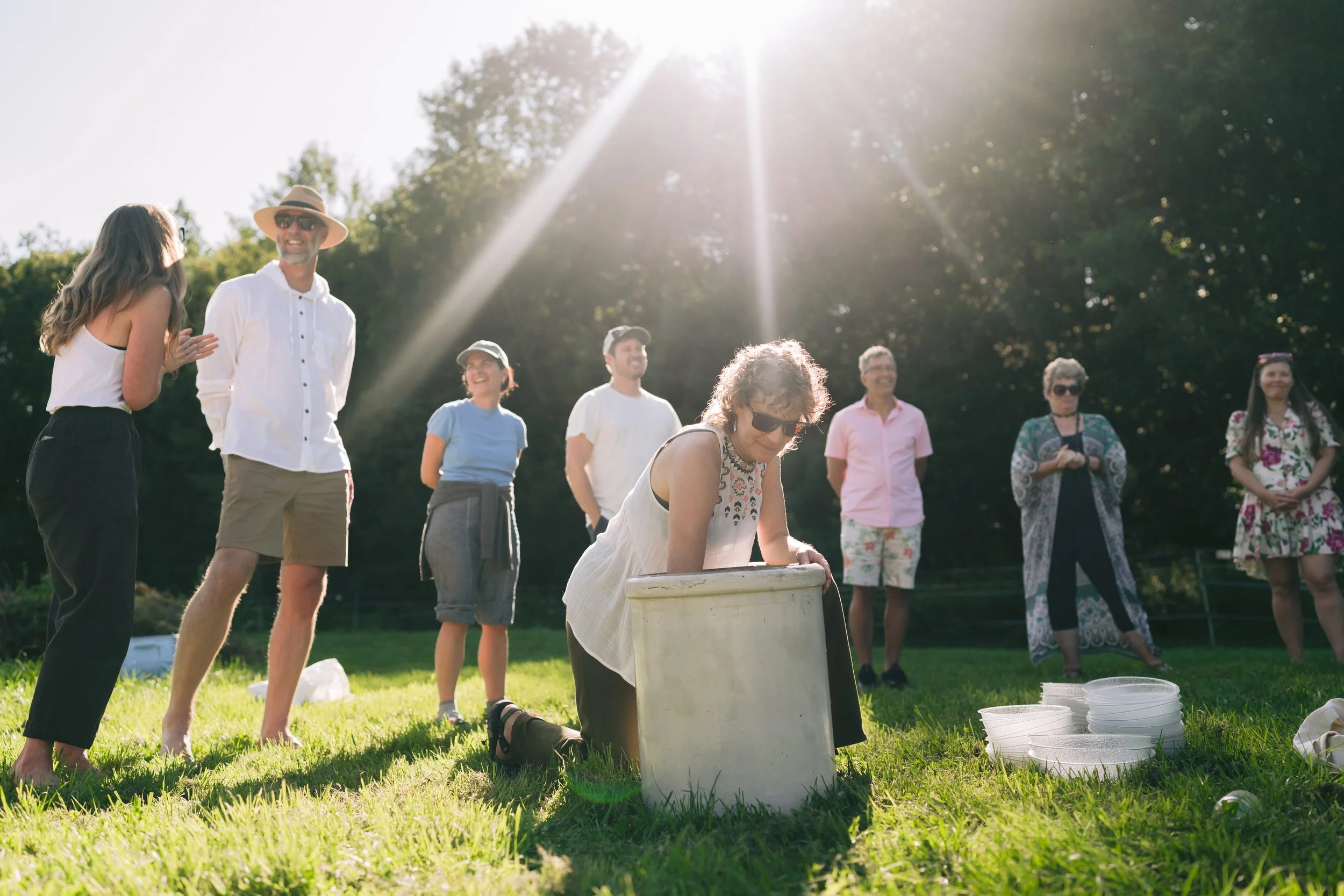
During the closing ceremony of the symposium, consultant and educator Robert Karp invited participants to notice the collective energy that had emerged during the gathering and what he described as the beginnings of a shared New Story.
In a gesture of gratitude and reciprocity, he invited the group to offer that energy back to the land that had hosted them. Participants stepped out across the fields surrounding Sunrise Ranch and shared their enthusiasm and devotion outward onto the landscape, as if sowing seeds of possibility.
It was a fitting conclusion to a gathering devoted to imagining how farms, communities, and landscapes might continue to evolve together.