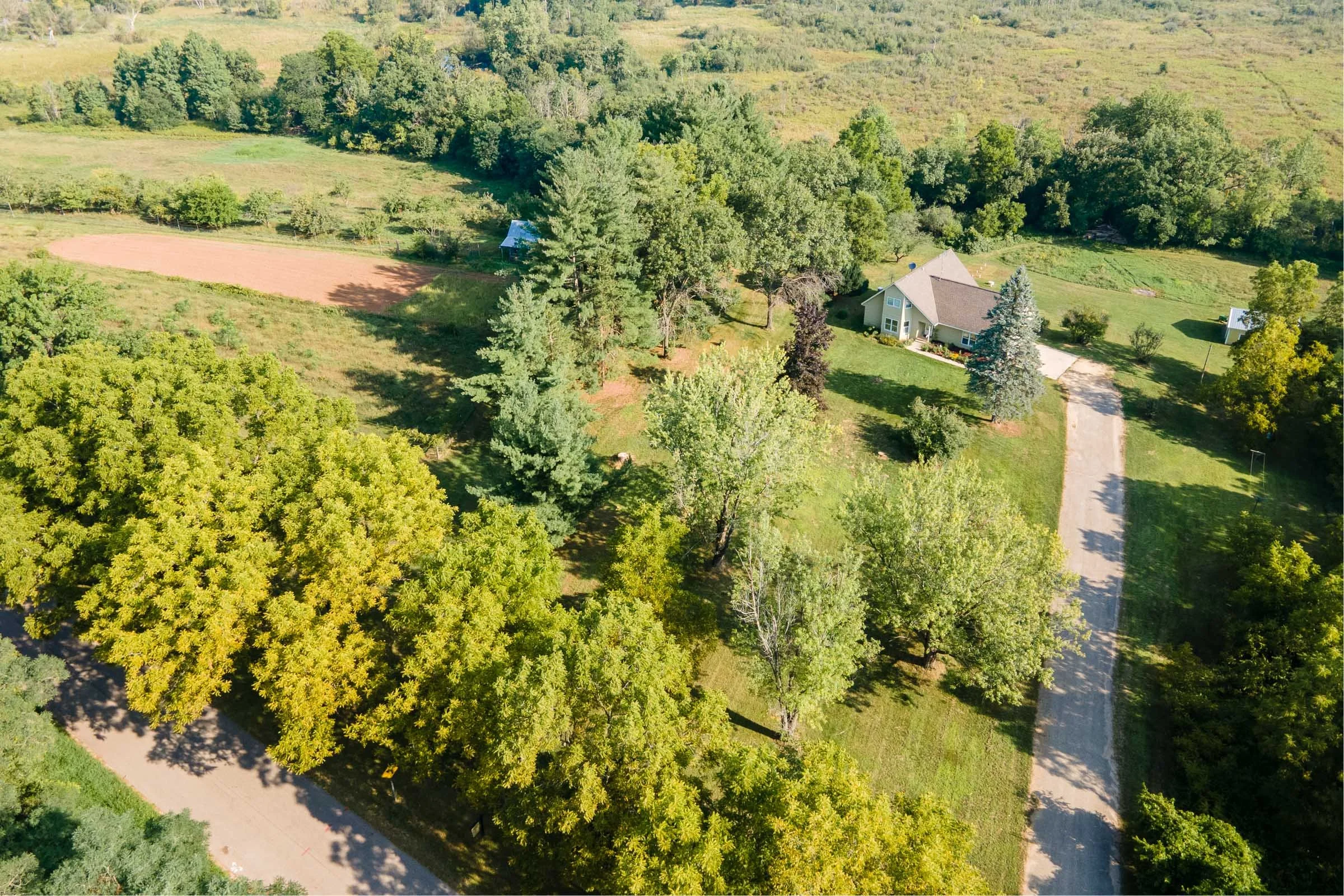
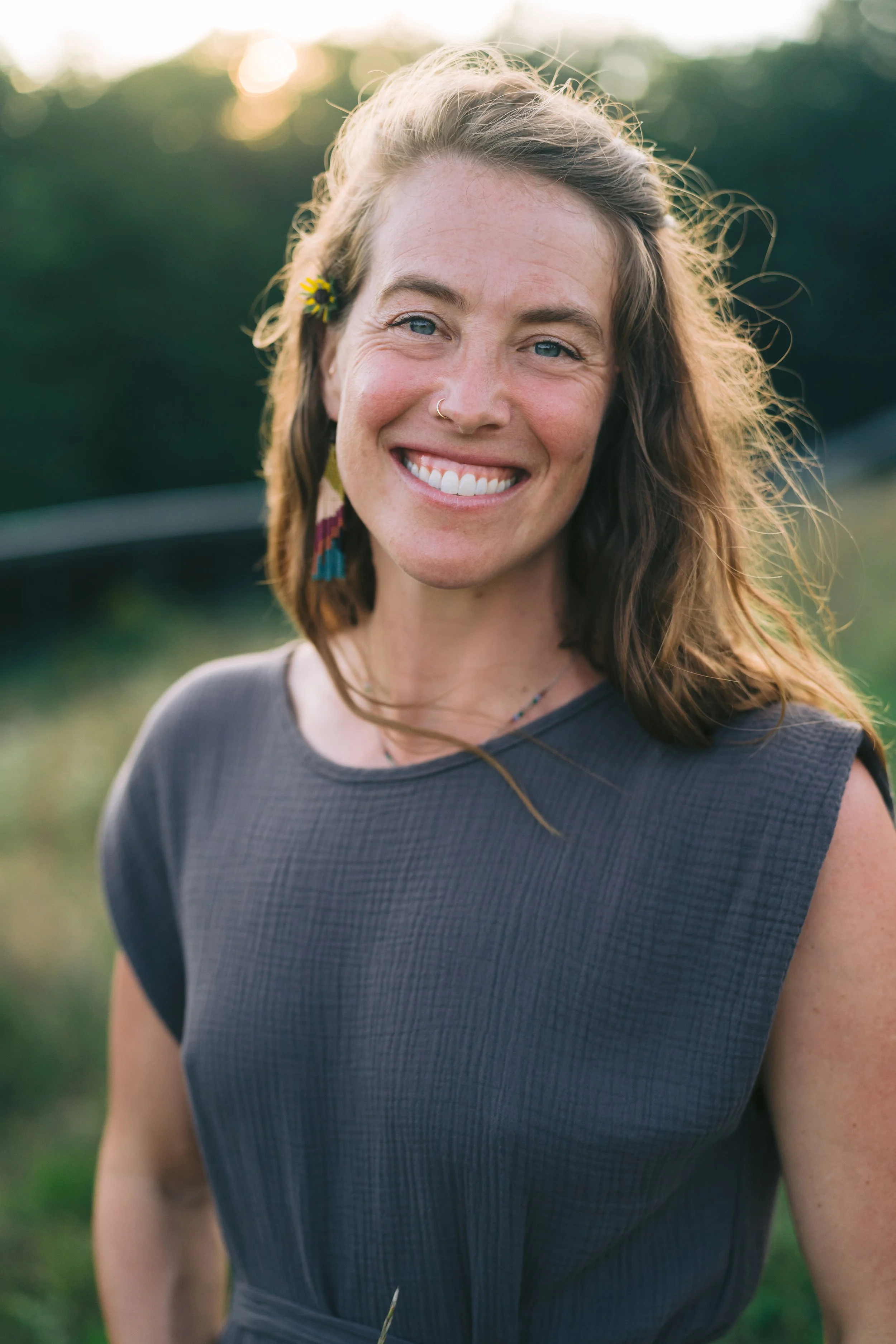
The Origins of Regenerative Real Estate: How Land, Health, and Community Reshaped Our Work
In 2019, my husband Neal and I found ourselves confronting something many families eventually face, but few are ever prepared for.
Within our families, we began receiving devastating news — terminal diagnoses. People we loved were suddenly navigating life's fragility in a very real way. Moments like these have a way of stripping life down to what matters most.
As we spent time alongside them, something else became increasingly clear. Health is not shaped only by the medicine we take. It is influenced by the environments we move through every day — the food we eat, the land that produces it, the air we breathe, and the people around us.
That realization stayed with us. It led to a quieter but more persistent question: What are the places we build actually doing to support, or undermine, human well-being?
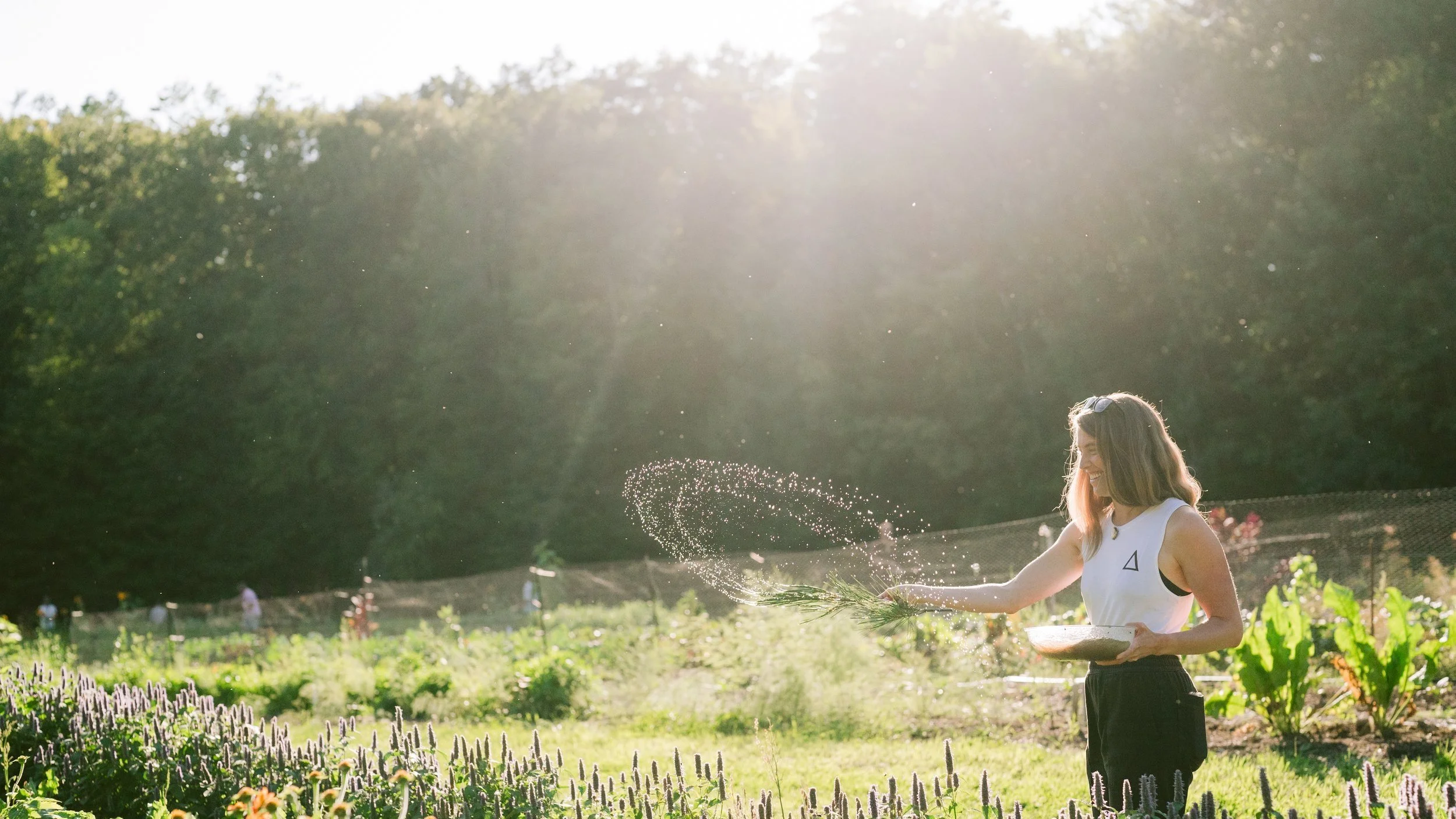
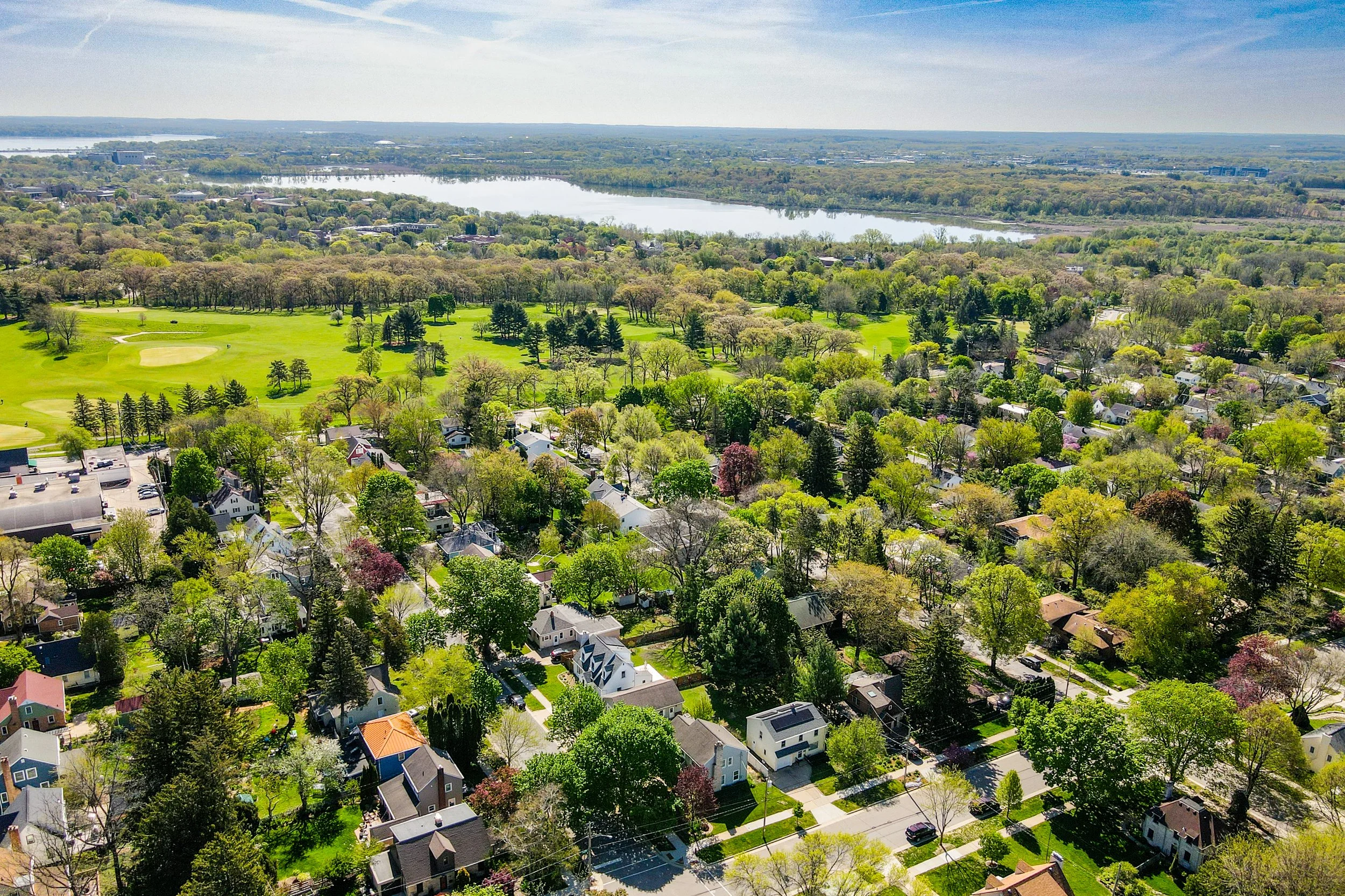
The environments we inhabit shape more than we often realize.
What Is Regenerative Real Estate?
Regenerative real estate is an approach to land, housing, and development that actively improves ecological health, strengthens communities, and supports human wellbeing over time—rather than simply sustaining or extracting value.
It considers the built environment as part of a larger living system, where design, land use, and ownership structures can contribute to long-term resilience for both people and the ecosystems they inhabit.
At the time, we were running a fast-growing real estate company. From the outside, everything pointed to success. The business was expanding quickly, and by conventional measures, we were doing well. But internally, something felt unresolved. Because if the places we inhabit shape our lives so profoundly, then real estate is not neutral. It plays a role in forming the conditions people live within.
That tension marked the beginning of a shift — one that would eventually shape what we now call Regenerative Real Estate.
A Foundation in Global Systems
Long before entering the real estate industry, much of our professional life had been spent working with mission-driven organizations around the world.
Our work took us across continents and cultures — from climate adaptation and threatened-species conservation in the Maldives to cultural heritage preservation in India to agricultural initiatives and potable water projects in rural Moldova, where access to basic infrastructure was often limited.

Early work across ecosystems and cultures shaped our understanding of interconnected systems.
These experiences shaped how we saw the world. They reinforced a simple but enduring idea: that human well-being, ecological health, and strong communities are deeply interconnected.
After nearly a decade living abroad, we returned to the United States and made what felt at the time like an unexpected pivot into real estate. At first, it was practical. Real estate offered a way to understand something more fundamental.
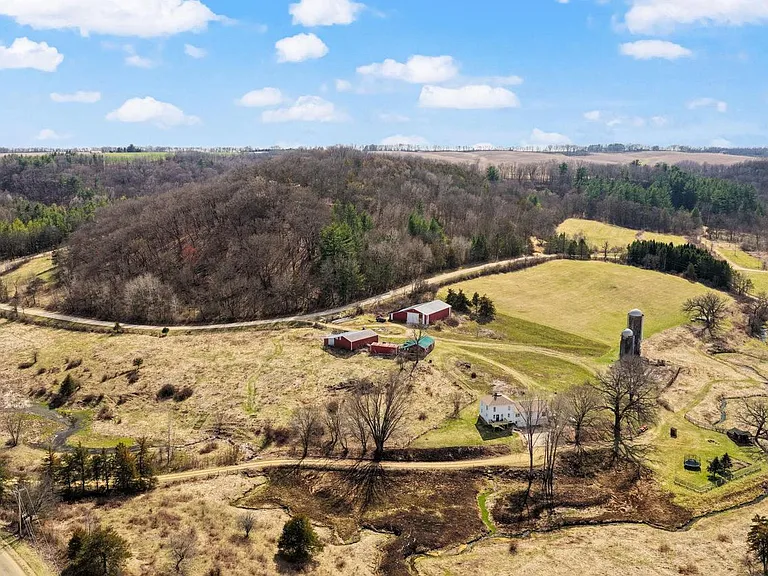
Land is one of the most powerful forces shaping our world — influencing how ecosystems function, how communities take shape, and how resources are stewarded over time. If we wanted to engage with those systems in a meaningful way, it felt important to understand how land actually moves through society — how it is owned, financed, developed, and ultimately transferred.
As our understanding of the industry grew, so did our company. Latitude expanded quickly, growing at a pace that, on paper, reflected clear momentum. But as the business scaled, the deeper questions we had begun asking about health, land, and community never left us.
If the places we inhabit influence our well-being so profoundly, what responsibility do we have in shaping them?
From Sustainability to Regeneration
Around this time, we had been closely following the regenerative agriculture movement.
Farmers around the world were demonstrating that land could be managed in ways that rebuild soil, restore biodiversity, and strengthen ecosystems over time. It represented a meaningful shift in thinking — not simply sustaining degraded systems, but actively improving them.
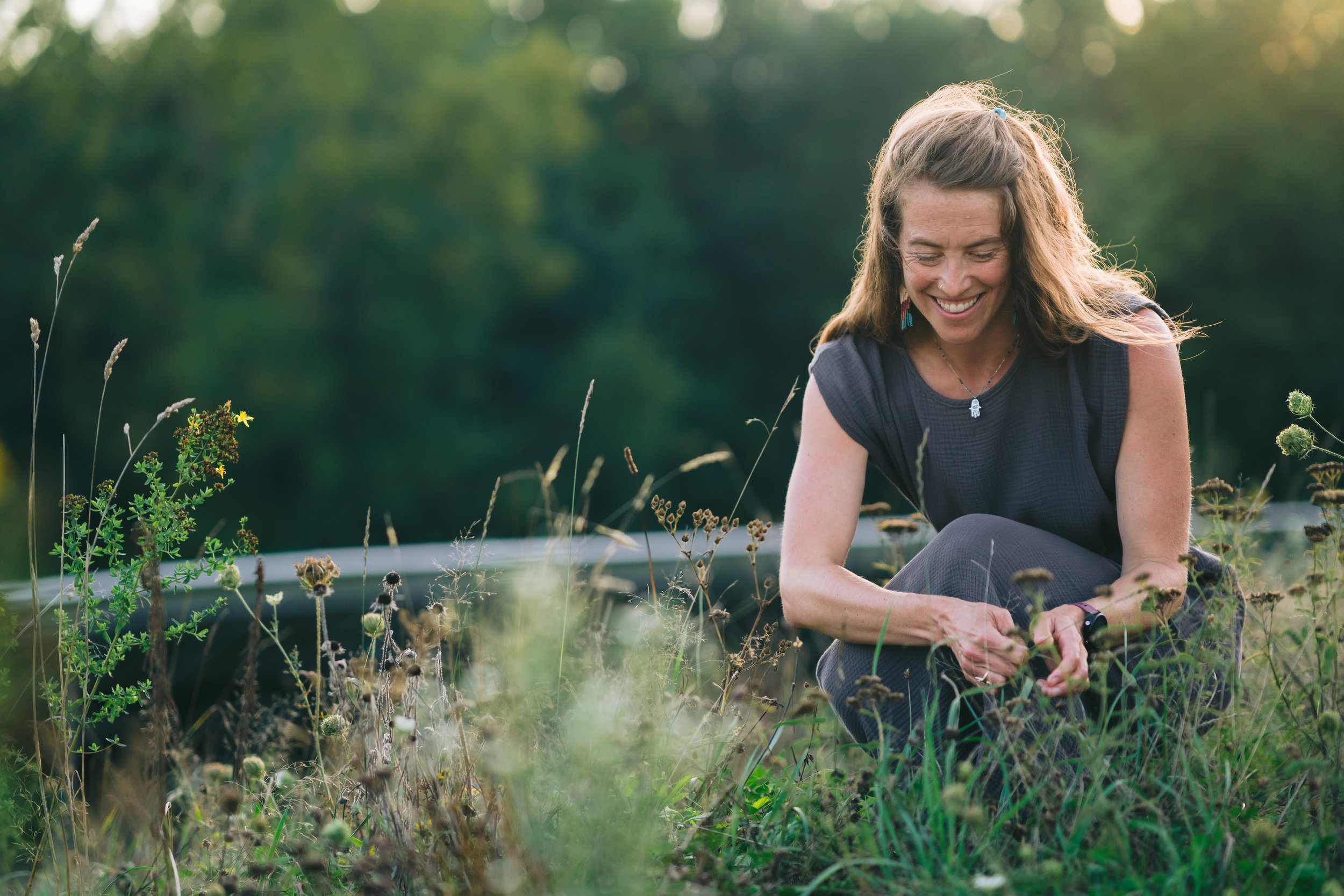
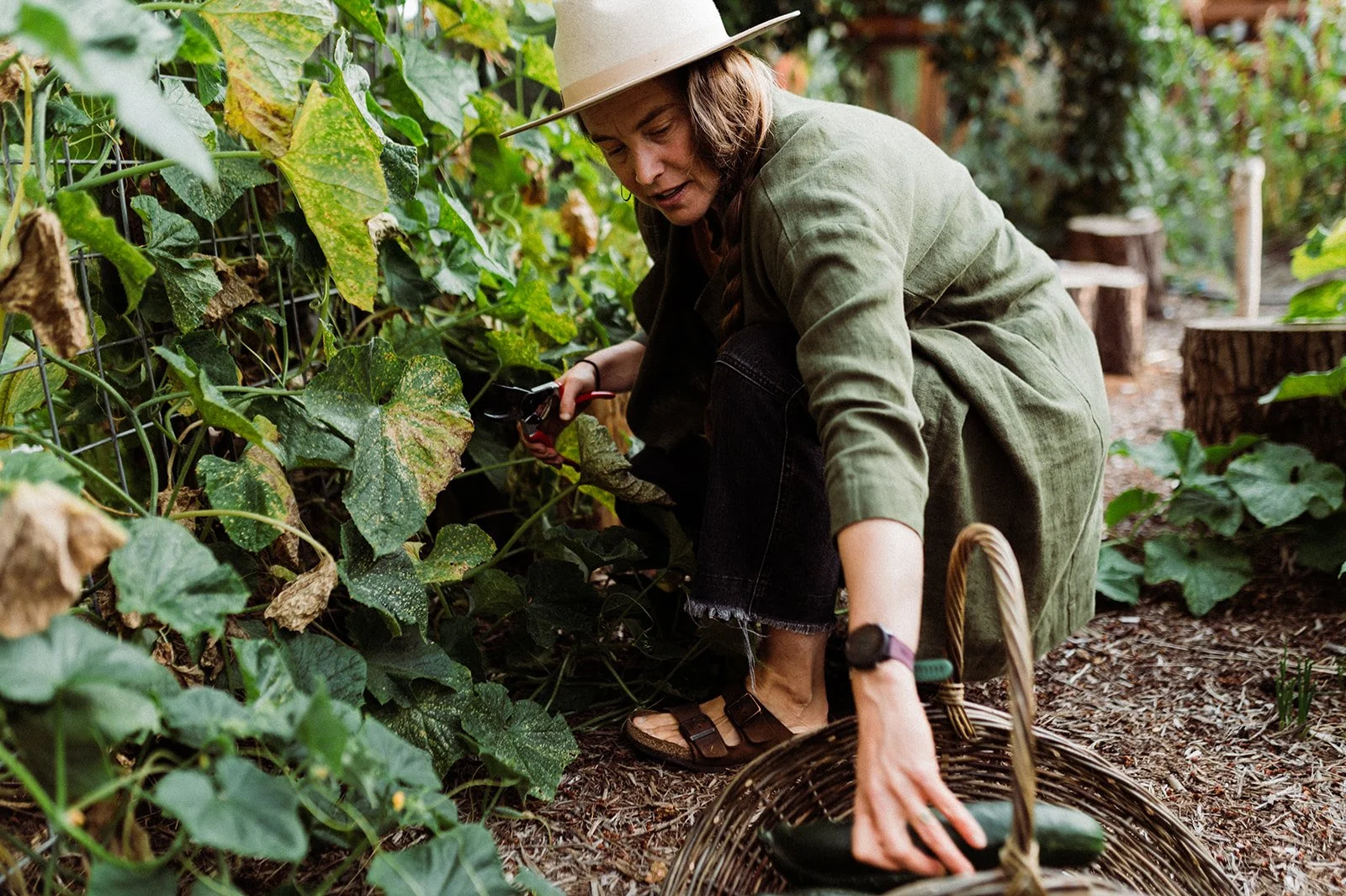
Regeneration begins with the land.
At the same time, our own experiences were reinforcing something similar.
Health and well-being are deeply tied to the environments we inhabit — the food we eat, the land that produces it, and the communities we belong to.
Gradually, these ideas began to converge.
If agriculture could become regenerative, why couldn’t real estate?
Why couldn’t the homes, neighborhoods, and communities we build also contribute to healthier ecosystems, stronger relationships, and more resilient human lives?
That question marked the beginning of what we came to call regenerative real estate — a concept we continue to explore in depth through conversations on the Regenerative Real Estate Podcast, where we speak with practitioners working at the intersection of land, design, and community.
A Broader Movement Emerges
At first, the concept was simply a way to realign our work with our values, but as we began speaking about these ideas more openly, something unexpected happened. People started reaching out.
Developers, architects, farmers, land stewards, designers, and investors from around the world were asking similar questions about how the built environment could support healthier ecosystems and stronger communities.
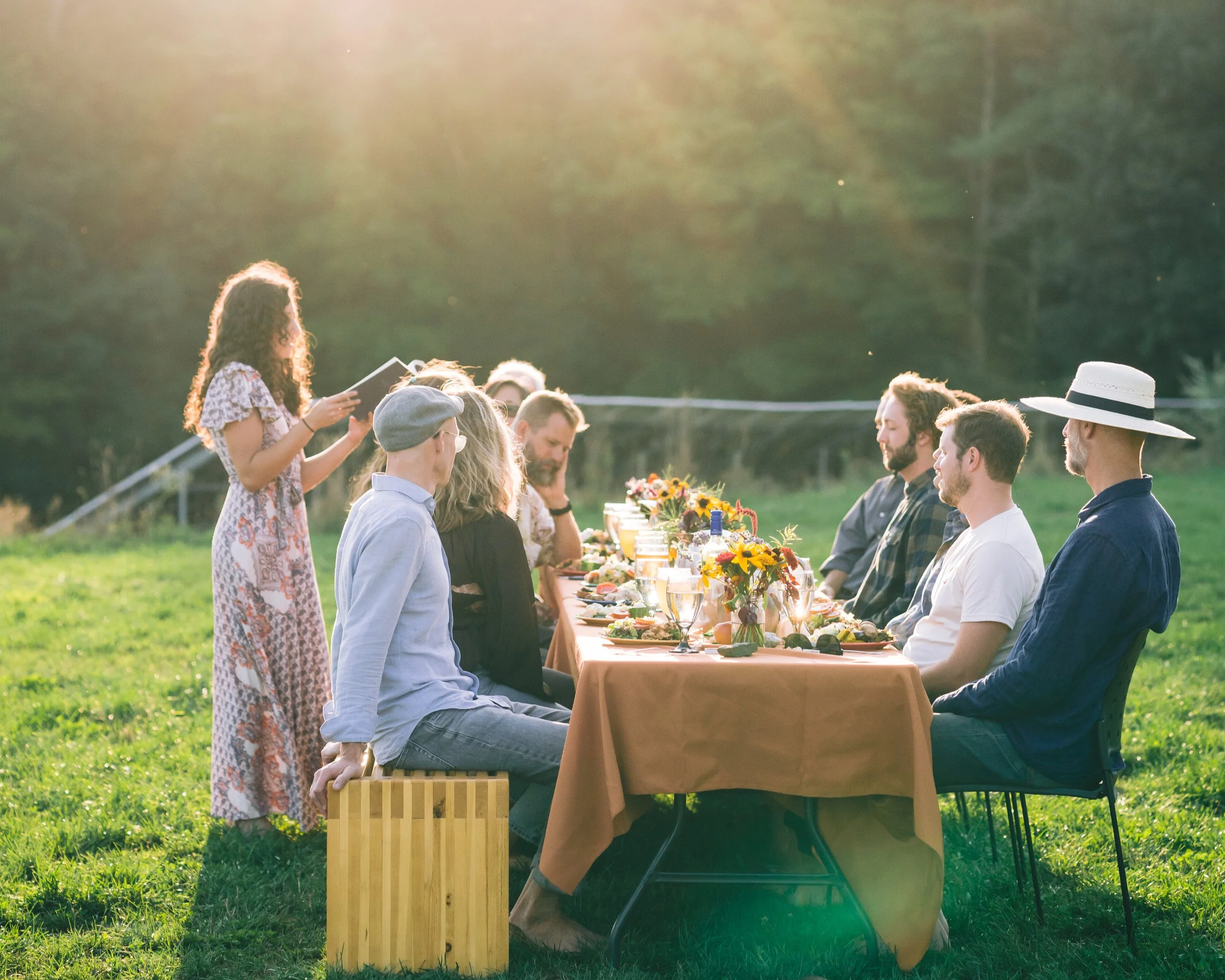
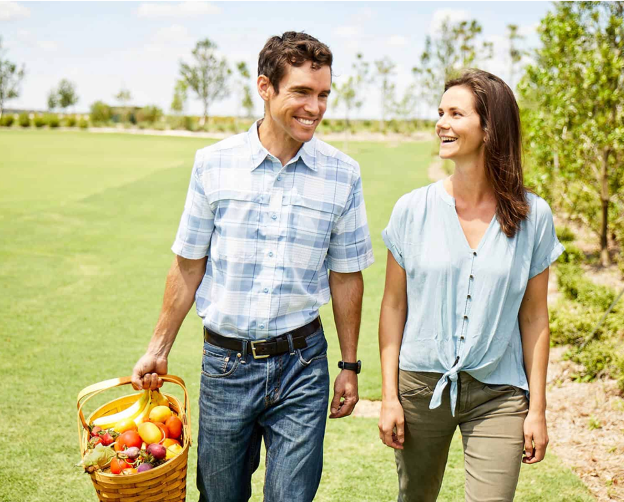
A broader movement was already taking shape.
Many had already been exploring related ideas through permaculture, ecological design, conservation development, regenerative agriculture, and community-centered planning.
What became clear over time is that we were not introducing something entirely new. We were, in many ways, putting language to a shift that was already underway — one that had been developing across disciplines, but hadn’t yet been fully connected.
An Emerging Field
Today, regenerative real estate is still evolving. There is no single model or fixed definition. Instead, there is a growing network of practitioners exploring how the places we inhabit can support both human and ecological systems in a more integrated way.
Through our work at Latitude and our development and investment efforts through Hamlet Capital, we are actively exploring what this looks like in practice — from how land is stewarded to how communities are designed and financed.
Each project and each conversation adds another layer of understanding. Many of these ideas continue to unfold through ongoing dialogue on the Regenerative Real Estate Podcast, where diverse voices are helping shape the edges of this emerging field.
Because ultimately, this work is not only about buildings. It is about how we choose to live, and how those choices shape the world around us.
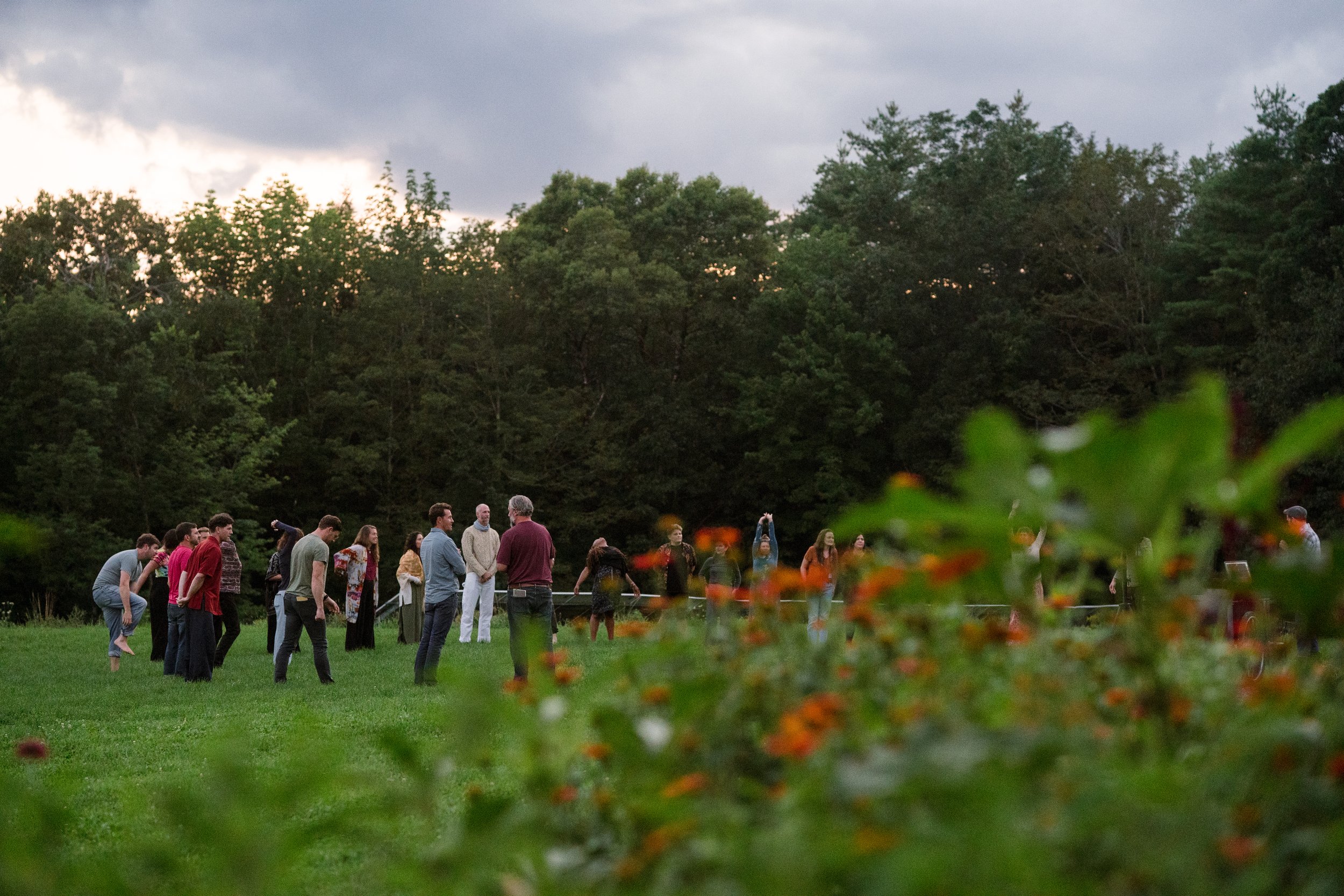
A broader movement was already taking shape.
Looking Forward
What began as a deeply personal experience — confronting illness and spending time with loved ones during moments of uncertainty — gradually expanded into a broader reflection on land, community, and responsibility.
Real estate is often understood in financial or functional terms. But it also shapes something less visible: the conditions of daily life, the health of ecosystems, and the strength of communities.
Approached differently, it has the potential to support something more enduring.
The field is still in its early stages, and much remains undefined. But the direction is becoming clearer.
The places we build do more than house us. Over time, they shape how we live, what we value, and what becomes possible.
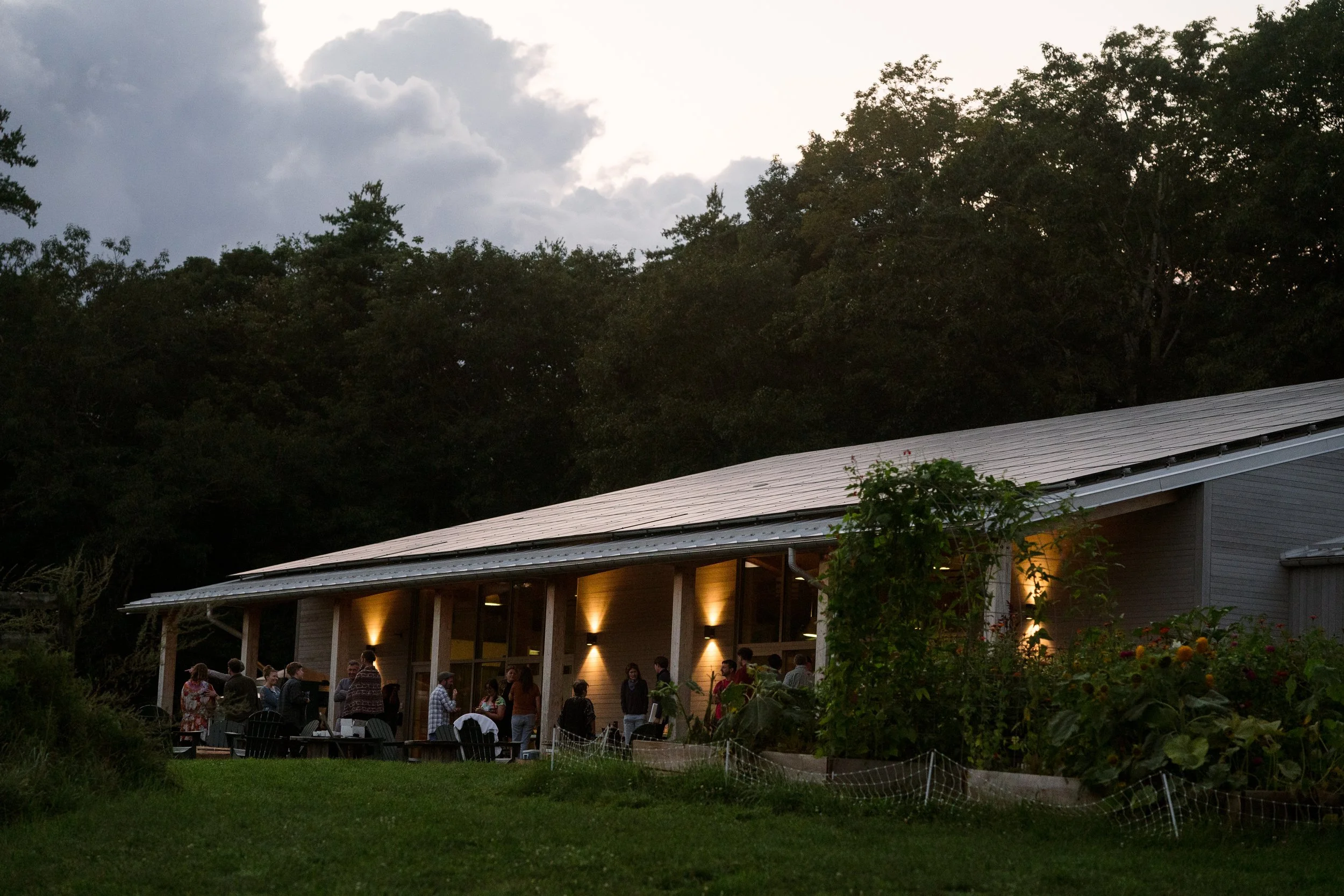
The places we build shape what becomes possible.