An evolving definition of how land, community, and the built environment can support life
Regenerative real estate is an approach to land, housing, and development that actively improves ecological health, strengthens communities, and supports human wellbeing over time.
Rather than focusing only on sustainability (or minimizing harm) it asks a deeper question: how can the places we shape contribute to the vitality of the systems they are part of?
At its core, regenerative real estate is not a fixed model, but a way of seeing. It recognizes that land, people, and the built environment exist within interconnected living systems—and that how we design, develop, and steward place has long-term consequences.
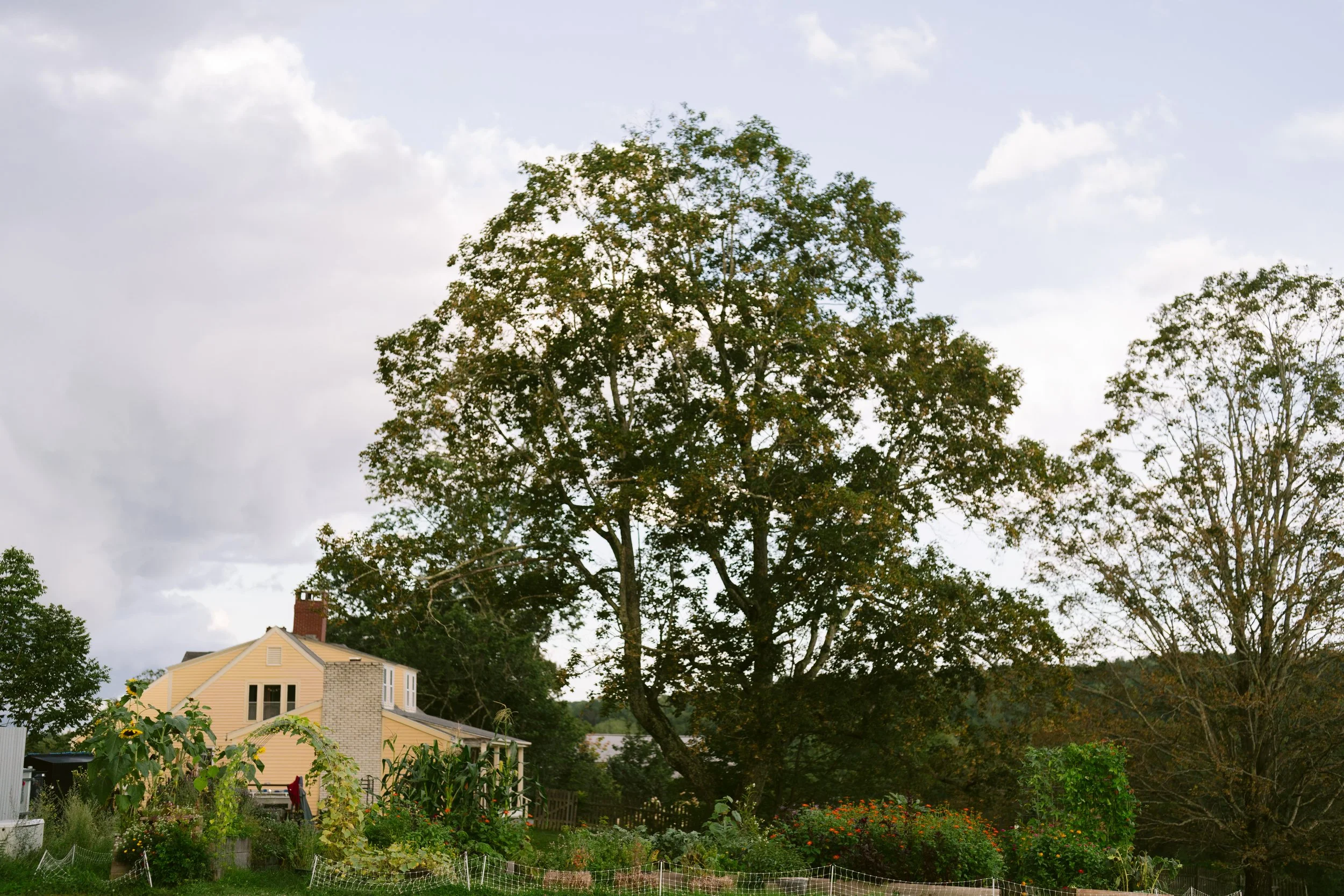
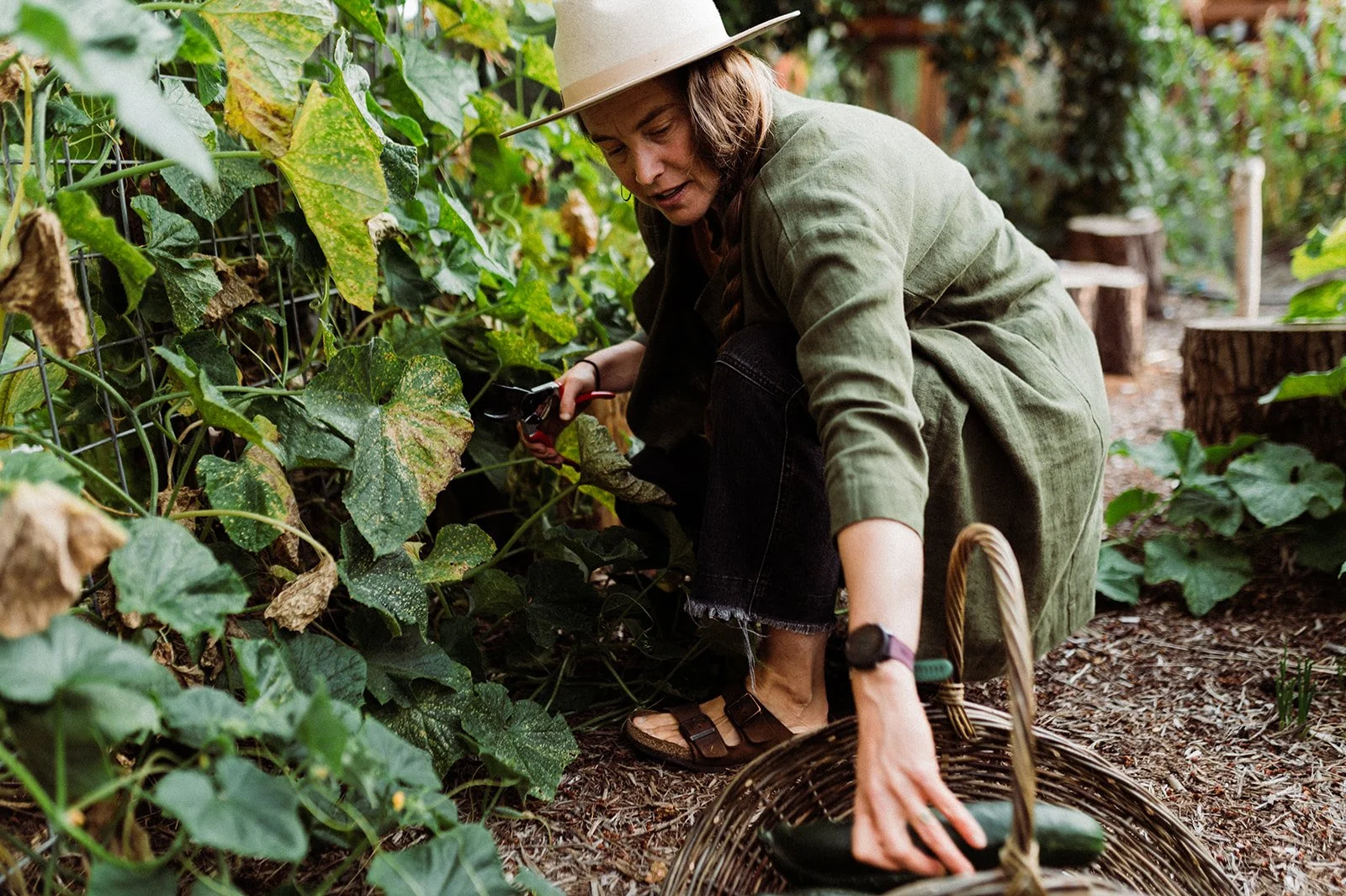
The built environment as part of a living system.
This perspective did not emerge in isolation. It was shaped through lived experience—through questions around health, land, and community that gradually pointed toward a different way of thinking about the built environment.
For a deeper look at how these ideas first took shape, read The Origins of Regenerative Real Estate.
This perspective also draws from the broader field of regenerative development, where the focus shifts from solving isolated problems to understanding the potential inherent within a place.
Instead of asking “What’s wrong here?”, the question becomes: What is possible here—and how do we design in a way that allows that potential to emerge?
A Living Systems Perspective
Much of modern development has been shaped by a linear mindset: identify a problem, apply a solution.
But in complex living systems, solutions often create new problems.
Ecological thinkers like Gregory Bateson and James Lovelock helped articulate a different understanding—one where systems are interconnected, dynamic, and constantly adapting.
Within this context, regenerative real estate takes a more holistic approach.
It begins by understanding place—not just as a parcel of land, but as a living system shaped by:
ecology (soil, water, climate)
community (culture, relationships, history)
economics (flows of value and ownership)
the built environment itself
and the spirit of place
From this perspective, development is no longer about imposing solutions. It becomes a process of aligning with the deeper patterns of place.
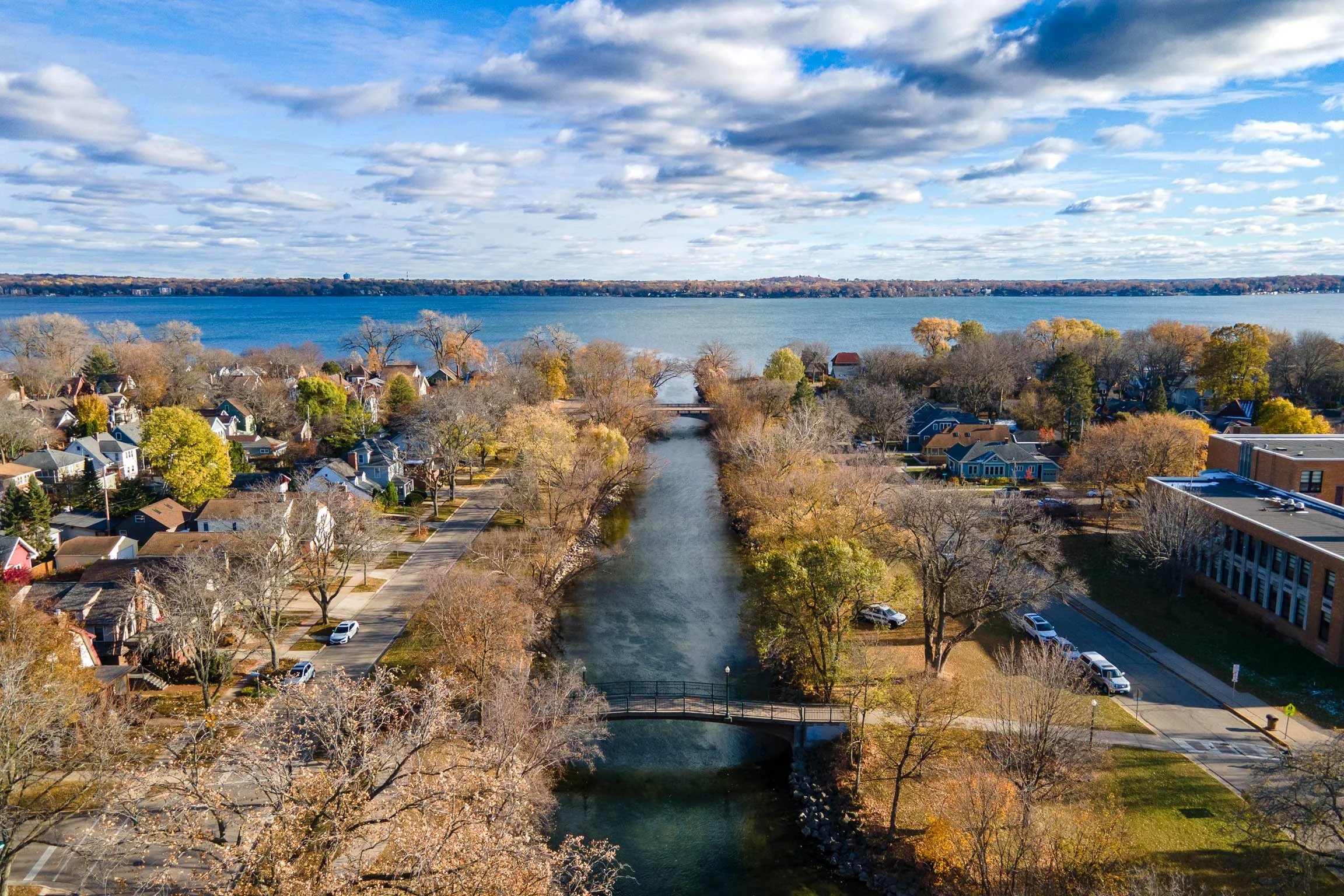
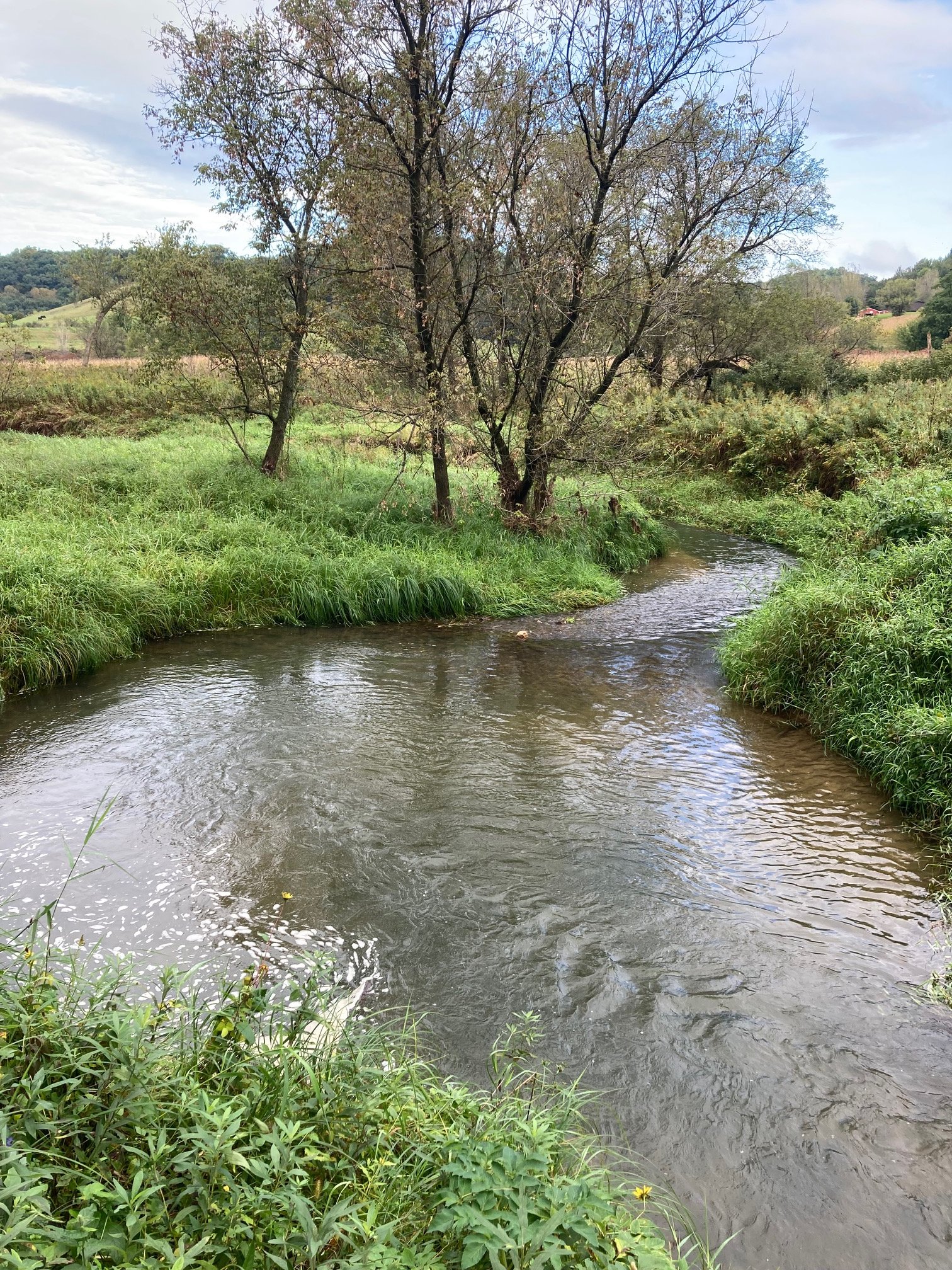
Every place exists within interconnected systems.
The Five Interconnected Elements
While regenerative real estate is not a rigid framework, five key dimensions consistently shape how it is expressed in practice:
Health & Wellness
The places we inhabit are not passive. They shape how we feel, think, and live.
A regenerative approach considers how homes and environments can actively support physical, mental, and emotional health—from non-toxic materials and clean air to natural light, biophilic design, and spaces that foster rest and connection.
These are not amenities. They are foundational conditions for human thriving.
Sustainability
The way we design and construct buildings carries long-term consequences.
From material sourcing to energy systems, regenerative real estate considers how the built environment can operate in alignment with natural systems—reducing waste, increasing efficiency, and in some cases, contributing positively to surrounding ecosystems.
This is where sustainability becomes a baseline, not the goal.
Community
Human wellbeing is inseparable from social connection.
Regenerative real estate places intentional focus on how communities are formed, supported, and sustained. This includes the physical design of spaces, but also the social infrastructure that enables belonging, collaboration, and shared stewardship.
Community does not happen by accident. It is shaped through design, governance, and culture.
Ecology

Regeneration begins with the land.
Every property exists within a larger ecosystem.
Regenerative real estate views land not as a static asset, but as a living system to be stewarded. This includes restoring soil health, increasing biodiversity, improving water cycles, and working with native ecosystems rather than against them.
The goal is not simply to preserve land, but to enhance its capacity to support life over time.
Spirit
A home is more than shelter. It is a place of identity, refuge, and connection.
Regenerative real estate acknowledges a less tangible, but equally important dimension: the human need for meaning. This can be expressed through beauty, connection to nature, cultural relevance, and a felt sense of belonging.
It reflects a shift from seeing land as something we own, to something we are in relationship with.
From Problem-Solving to Potential
One of the most important distinctions in regenerative thinking is a shift away from reactive problem-solving.
In traditional development—and much of international development—the process often looks like:
Identify the problem → Design the solution → Implement.
But this approach can fragment systems and overlook deeper patterns.
Regenerative development offers an alternative: start with potential.
By deeply understanding the ecological, cultural, and economic context of a place—and by engaging the people connected to it—we begin to see opportunities that are not visible through a problem-based lens.
This process often reveals something essential:
That the challenges we see are interconnected—and that meaningful solutions emerge not from isolated fixes, but from aligning the system as a whole.
This is where the idea of harmony becomes relevant.
In natural systems, there is no concept of compromise—only continuous movement toward balance. Regenerative real estate, at its best, participates in that process.
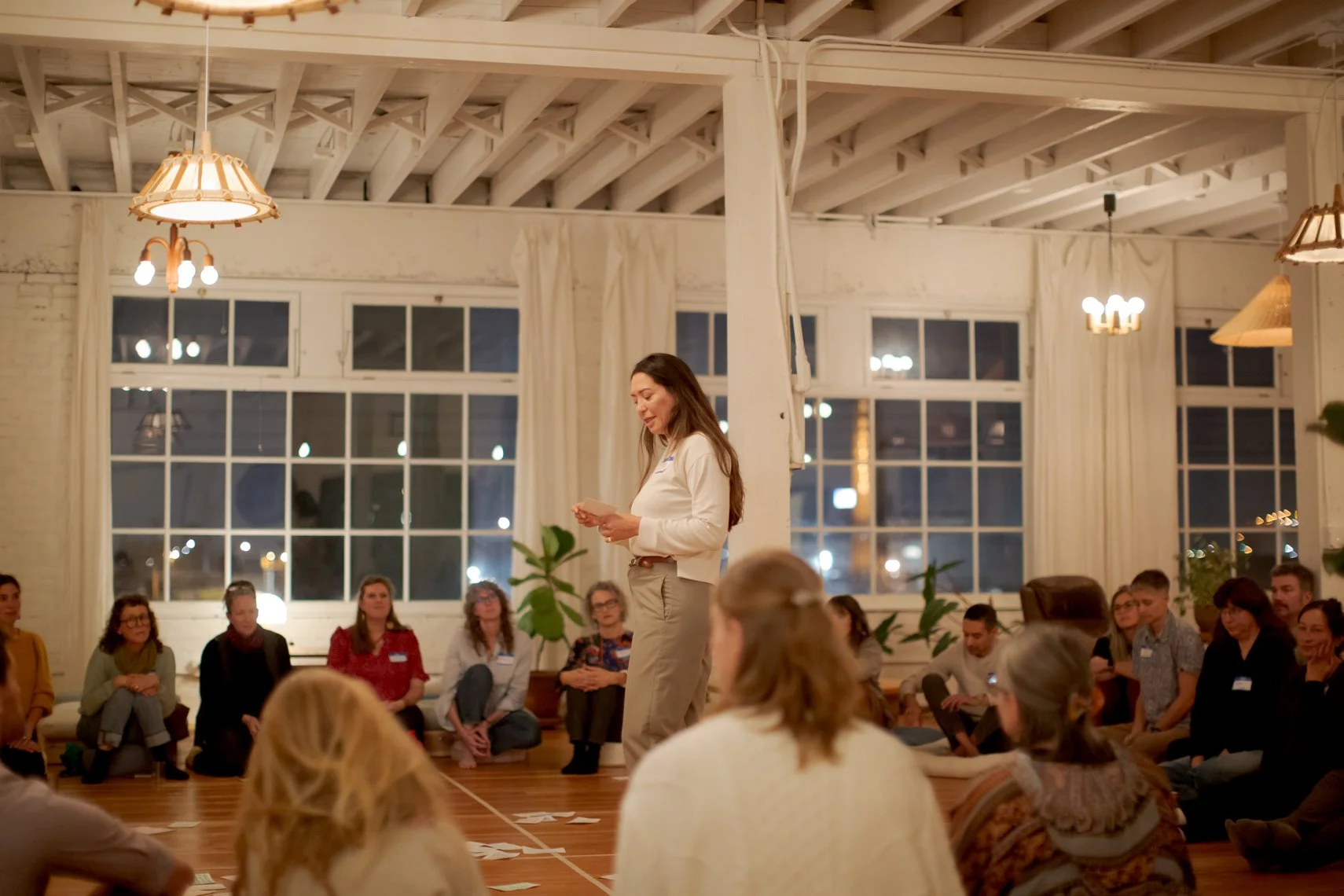
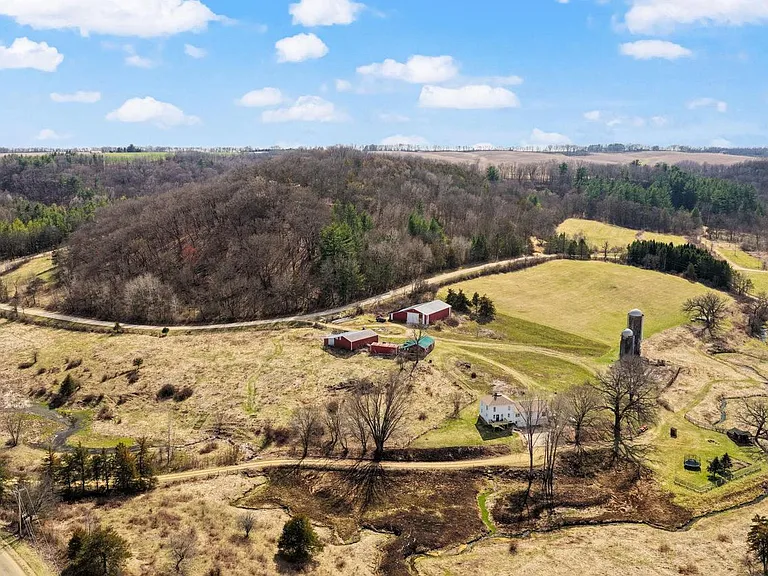
An emerging field shaped by many hands.
An Evolving Field
Regenerative real estate is still emerging.
There is no single definition, no universal checklist, and no fixed model to replicate. Instead, it is being shaped by a growing network of practitioners—developers, designers, land stewards, and communities—exploring how to bring these principles into practice.
Each project becomes a learning process. Each place expresses these ideas differently.
What connects them is a shared orientation:
A belief that the places we build can do more than minimize harm—they can actively contribute to the health of people, communities, and ecosystems.

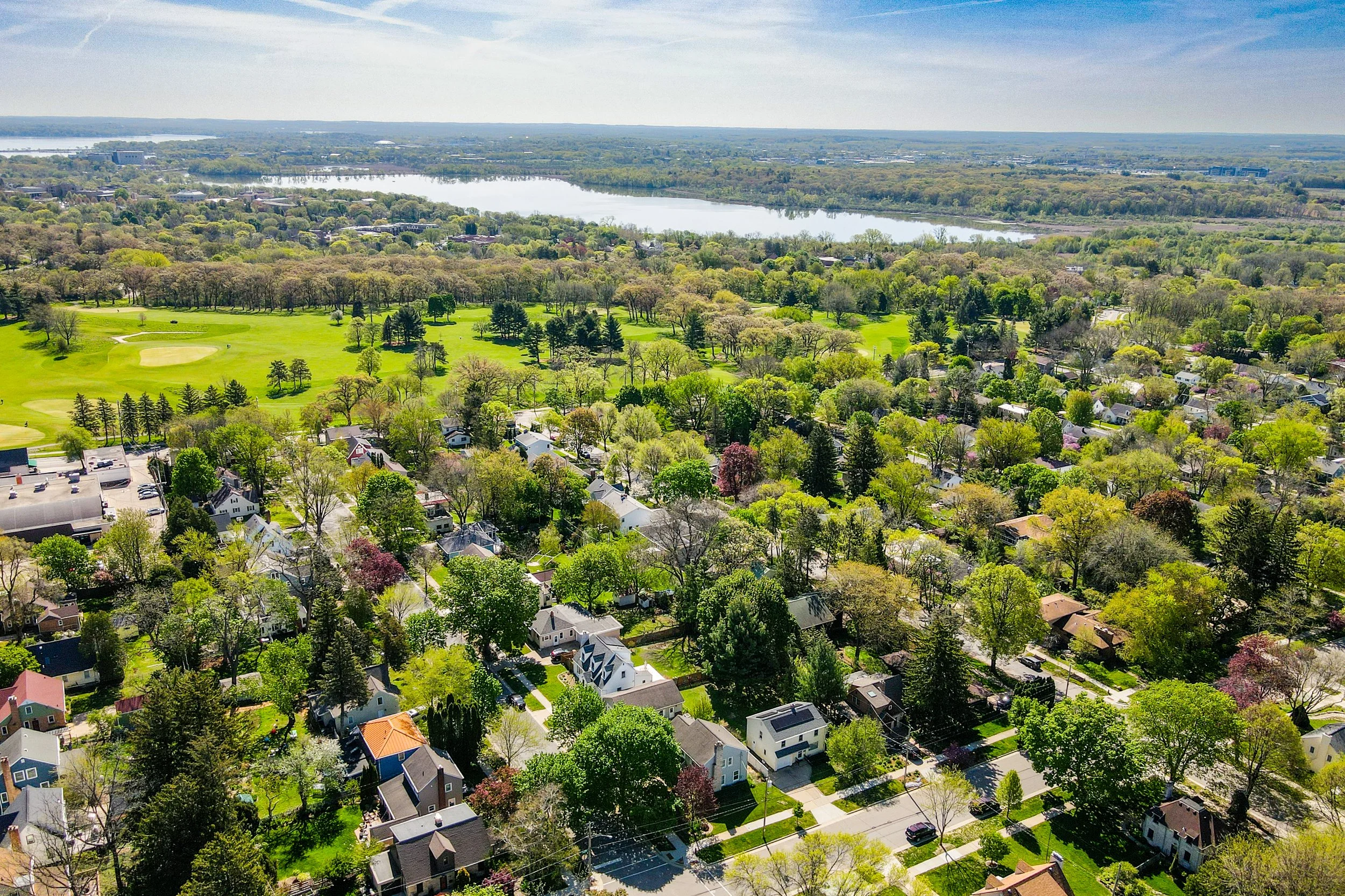
The places we build shape what becomes possible.