2026: The Six Trends Redefining the Regenerative Home
Every January brings a wave of forecasts about what will be “in.” But at Latitude, we’re less interested in predicting the next big thing and more focused on the deeper changes shaping how people want to live. As our co-founder, Alissa Collins, says, “Those of us at Latitude have always been seeking to live values rather than adopt trends.”

For decades, mainstream building and design have been shaped by speed, scale, and efficiency — often at the expense of health, connection, and longevity. The results show up everywhere: interiors that off-gas, materials that wear down quickly, and technologies that promise ease but create new forms of distraction and dependence.
What’s pressing now is a course correction. People are choosing homes that support the body, reflect their connection to place, and participate in the living world rather than sit apart from it. The common thread across these shifts is simple: a renewed desire for relationship — with materials, with food, with land, with water, and with one another.
These are the shifts shaping the regenerative home in 2026.
1. The Healthy Home Ecosystem
Homes are beginning to function the way our bodies do: responsive, sensitive, and built to regulate.
Homes are increasingly being treated as living sensory environments, not just places to store belongings. People are paying attention to how interiors affect their bodies—how they breathe, move, sleep, and settle. This shift centers on four essentials that shape daily well-being inside any home: air, light, sound, and water.
Air
More homeowners are prioritizing indoor air quality because they can feel the difference day to day. Ventilation systems like energy recovery ventilators (ERVs) and heat recovery ventilators (HRVs) are showing up more often because they quietly bring in fresh air and exhaust stale air without wasting heat.
There’s also rising awareness around materials that do not off-gas volatile organic compounds (VOCs). People want finishes and plasters that don’t leave a lingering chemical smell, trigger sensitivities, or exacerbate health issues—an issue especially relevant for anyone dealing with allergies, autoimmune conditions, or cancer treatment and recovery.
And as wildfire smoke becomes a near-yearly event in many regions, homeowners want a sanctuary where they can breathe easily even when the air outside is hazardous.
Light
Lighting is shifting toward low-glare, blue-light-free bulbs that support circadian rhythms and make evenings calmer. Harsh, cool LEDs keep the brain “on,” so people are choosing warmer-spectrum lighting that helps the body wind down for sleep. This matters biologically: blue-heavy light at night suppresses melatonin and shifts the body’s internal clock, which can degrade sleep quality.
Because circadian rhythms help regulate immune activity and inflammation, protecting darkness and gentler evening light supports the body’s nightly repair cycle—not just better rest, but more resilient immune health over time.
Sound
Homeowners are also paying attention to how a home sounds. Natural textiles and earth-based finishes like clay or lime plaster soften acoustics, reduce echo, and create quieter rooms that let the nervous system relax. Research on noise exposure shows that chronic, everyday noise activates stress pathways, disrupts sleep, and increases inflammation—factors that can weaken or dysregulate immune function over time.
In that context, quieter homes aren’t just more pleasant; they can support immune health by lowering baseline stress and giving the body more space to restore and repair.
Water
Water is finally getting the attention it deserves. Homeowners are realizing it affects how they feel just as much as air and light. Beyond basic filtration, people are adding remineralization—such as calcite or magnesium post-filter cartridges or trace-mineral drops—to restore beneficial minerals removed during filtering. Some are also exploring water restructuring as a ritual of care, using vortex-based devices that move water through spiral pathways to mimic the flow of natural streams, like the Vortex Water Revitalizer and similar units.
As interest grows, services like Tap Score are helping households understand what’s in their water and which systems or interventions might be the right next step.
Together, these choices reflect a growing understanding that air, light, sound, and water inside the home behave like nature—a weaving of living systems that directly influence human health on a day-to-day basis.
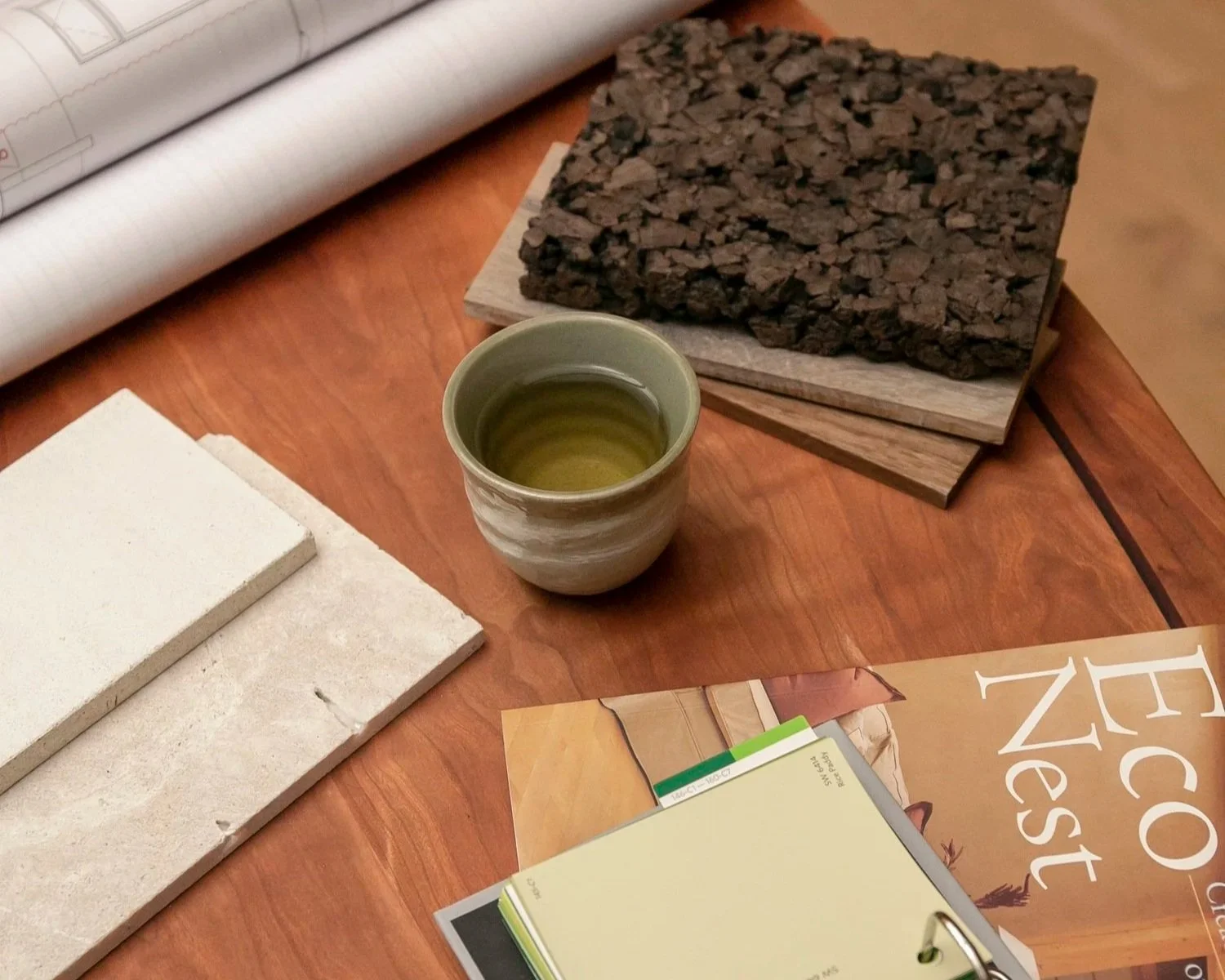
Photo source: EcoNest Architecture
2. Biobased + No-Tox Interiors
Natural materials are becoming the new baseline for healthy, timeless interiors.
For years, mainstream interiors relied on synthetic paints, engineered surfaces, vinyl flooring, foams, and factory finishes—materials chosen for speed and cost rather than longevity or health. Today, homeowners are questioning what these materials release into their air, how long they last, and whether they can be repaired.
The Global Wellness Institute—the leading wellness real estate research nonprofit—notes in its latest report, Build Well to Live Well: The Future:
“Healthy building concepts are quickly transforming from a niche market to the mainstream and expanding into every real estate category: residential, mixed-use, commercial/office, educational/research, healthcare, and hospitality. It’s also being built at every scale, from a single house to massive, town-sized developments with thousands of residents. Spreading from the luxury market to all price points, including large affordable housing communities.”
Biobased, breathable materials offer a path to live well. Clay plaster and limewash regulate humidity, soften acoustics, and create a calm sensory environment. Straw and wood-fiber insulation support cleaner indoor air. Earth pigments add depth and warmth that manufactured colors rarely match.
Natural-fiber bedding and furniture—linen, wool, hemp, and cotton—help homeowners avoid synthetic off-gassing and chemical fire retardants. And solid-wood furniture can be repaired instead of replaced, extending its life by decades.
Homeowners aren’t adopting these materials to be “eco-forward.” They’re choosing them because they make a home cleaner, quieter, calmer, and more grounded—and because these materials age well, repairs are simple, and the relationship to them deepens over time.

3. The Slow Tech Home
After years of smart-everything, people are discovering that simpler homes often work better — and feel better.
The last decade was defined by rapid automation: voice-controlled lights, app-connected appliances, and cloud-dependent climate systems. But many homeowners are starting to experience the hidden costs—constant updates, privacy concerns, interruptions when devices lose connectivity, an overall sense that the home has become another interface to manage, and even sleep disruptions from being over-wired.
The response is subtle but clear: a return to simplicity.
According to Mate’s Internet and Security Blog, “Hardwired Ethernet is replacing whole-home Wi-Fi for those wanting fewer radio waves, more reliable connections, and greater security. It adds resilience too. We’re seeing a practical return to structured wiring as a foundational layer—not a replacement for Wi-Fi, but its essential, high-performance backbone for critical devices.”
Manual switches and thermostats are regaining appeal because they don’t fail when the cloud does. Wired speakers outperform Bluetooth for people tired of pairing and re-pairing. Appliances that simply work—and can be repaired without subscriptions or apps—feel refreshingly stable.
This isn’t a rejection of technology; it’s a recalibration. A highly automated house can be fragile. A simple house is resilient. And resilience is quickly becoming a core value in home design.
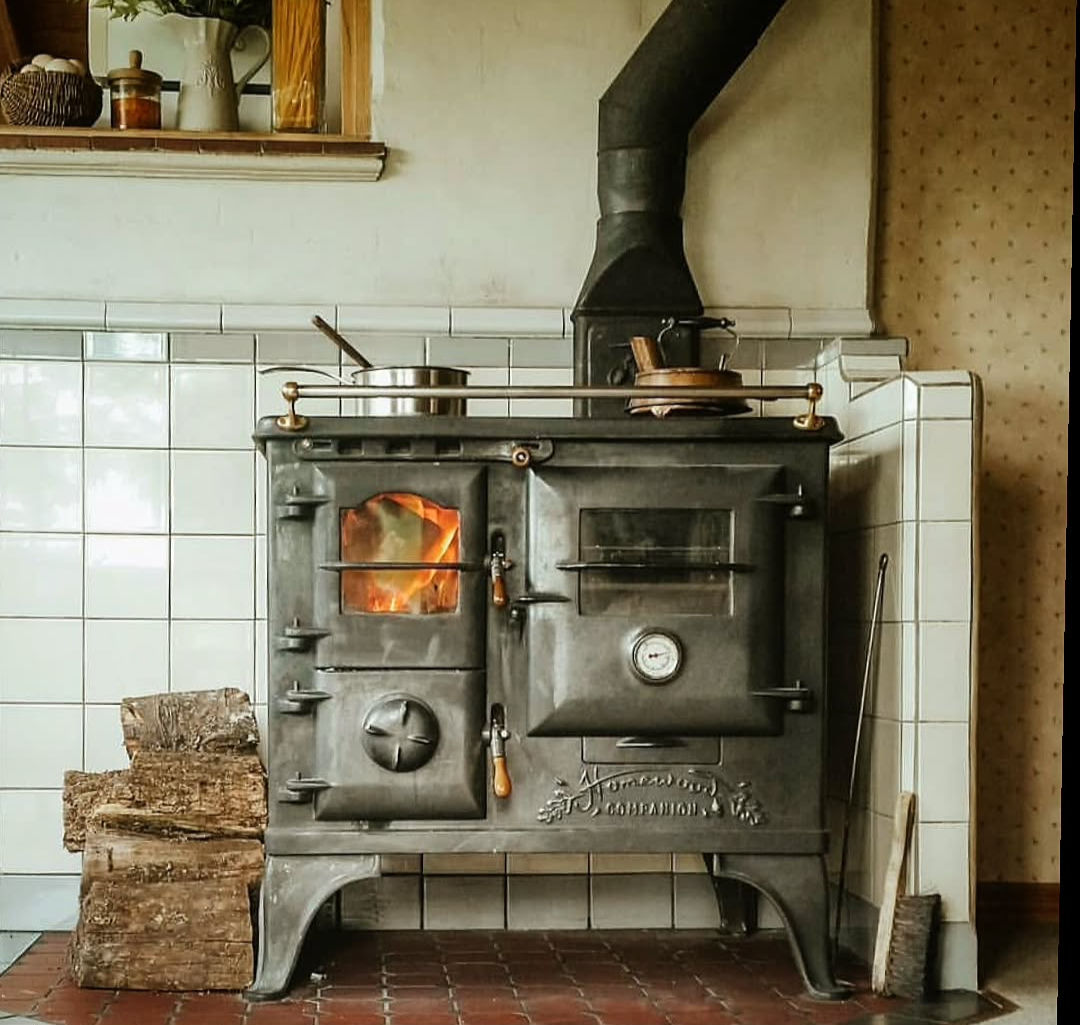
Photo source: Home Wood Stoves LTD
4. The Regenerative Kitchen
The kitchen is becoming the heart of the home again—a place of nourishment, craft, and relationship to food.
For decades, the kitchen was optimized for speed: quick meals, minimal mess, maximum efficiency. Now, homeowners are gravitating toward kitchens that slow things down and make cooking feel connected and meaningful.
We’re seeing early signals everywhere. In the latest season of Chef’s Table: Legends, Alice Waters cooks meals in a wood-fired oven inside her home—reigniting interest in food prepared with elemental heat. It’s old-tech and romantic. According to Wkinformation,
“Sales of wood-fired stoves and ovens were on the rise in 2025, driven by demand for energy efficiency, cost savings, sustainability, and energy independence, with strong markets in North America and growing interest in the Asia-Pacific region. Modern, cleaner-burning designs reduce indoor air quality issues and can also serve as backup heating and cooking during power outages.”
Alongside heat, the tools of slower food are returning. Cold storage, root cellars, fermentation stations, dehydrators, and expanded pantries support seasonal eating and reduce waste. Households are buying from local farms, co-ops, and bulk buying clubs, rebuilding direct relationships with their regional food systems.
What ties all of this together is relationship: to land, to ingredients, to the people who grow them, and to the rhythms that govern food.

Latitude listing Oasis Home in Portland, OR.
5. Living With Land, Not On It
Outdoor space is shifting from décor to ecological participation.
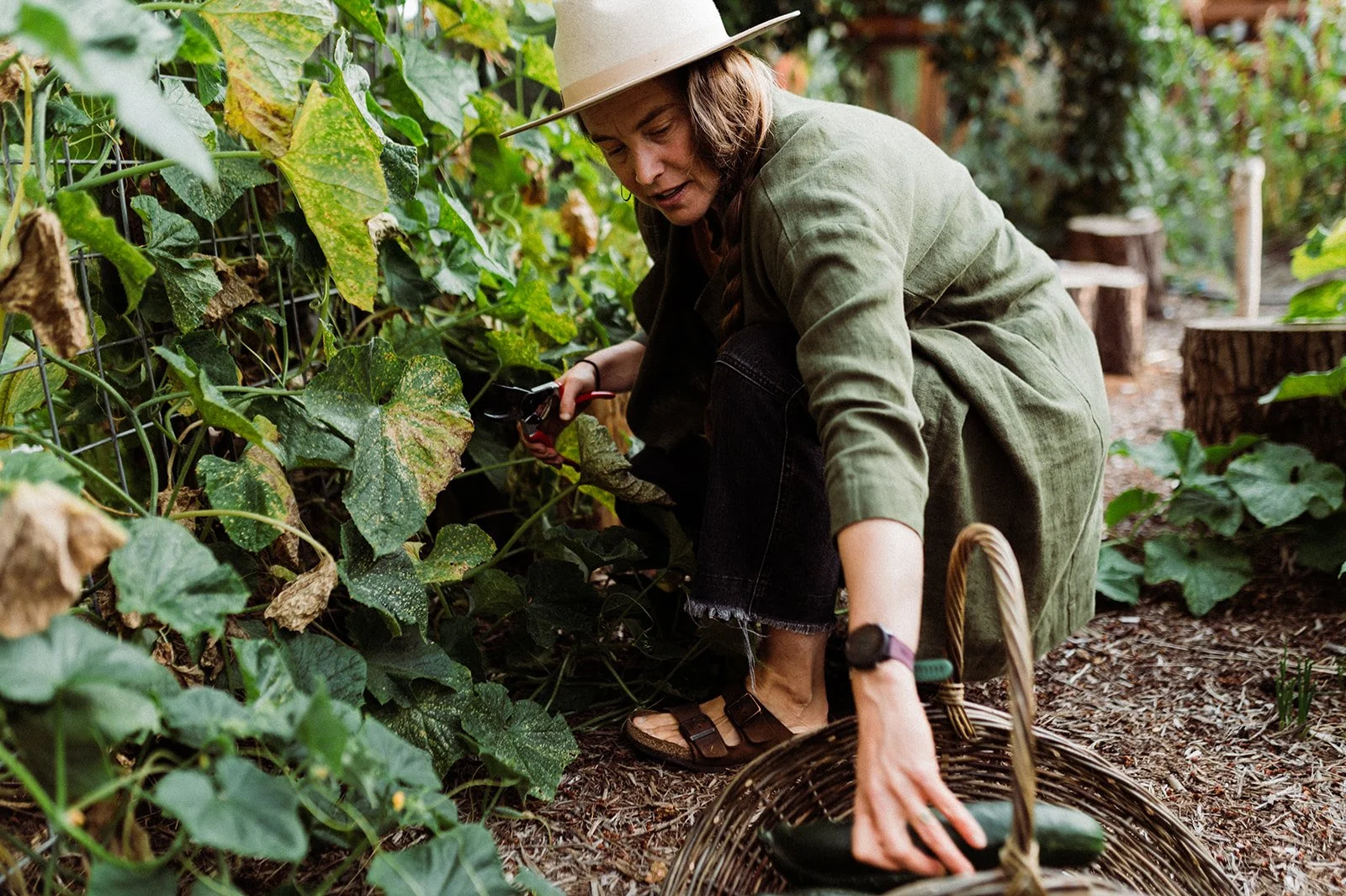
More homeowners are moving from ornamental landscaping toward ecological stewardship. Biodynamic gardens help rebuild soil health and align plant care with cosmic cycles.
A growing number of people are also redesigning how water moves across their property. Disconnecting downspouts is often the first step (and now required in some place like Toronto and New York City), followed by creating rain gardens, swales, or small ponds that slow and hold water where the land needs it most. In fire-prone regions, this stored water can even support basic fire resilience.
Graywater systems—which reuse laundry, bathroom, or kitchen water—are a deeper step for those ready to take on more complexity. Because this work requires some know-how, many homeowners turn to their local Soil and Water Conservation Districts or to books like The Water-Wise Home by Laura Allen for accessible guidance.
Habitat certifications are gaining momentum too, as people replace lawns with native plants, adjust outdoor lighting to protect wildlife, and create structure for birds, insects, and pollinators. Mary Phillips, head of the National Wildlife Federation’s Garden for Wildlife and Certified Wildlife Habitat programs, emphasizes that “ecologically meaningful gardens are crucial in urban areas to connect corridors for wildlife and support local species.” The North American Butterfly Association echoes this through its own habitat certification efforts.
The shift is both practical and philosophical: the home includes the land beneath it, and caring for that land deepens the experience of living there.
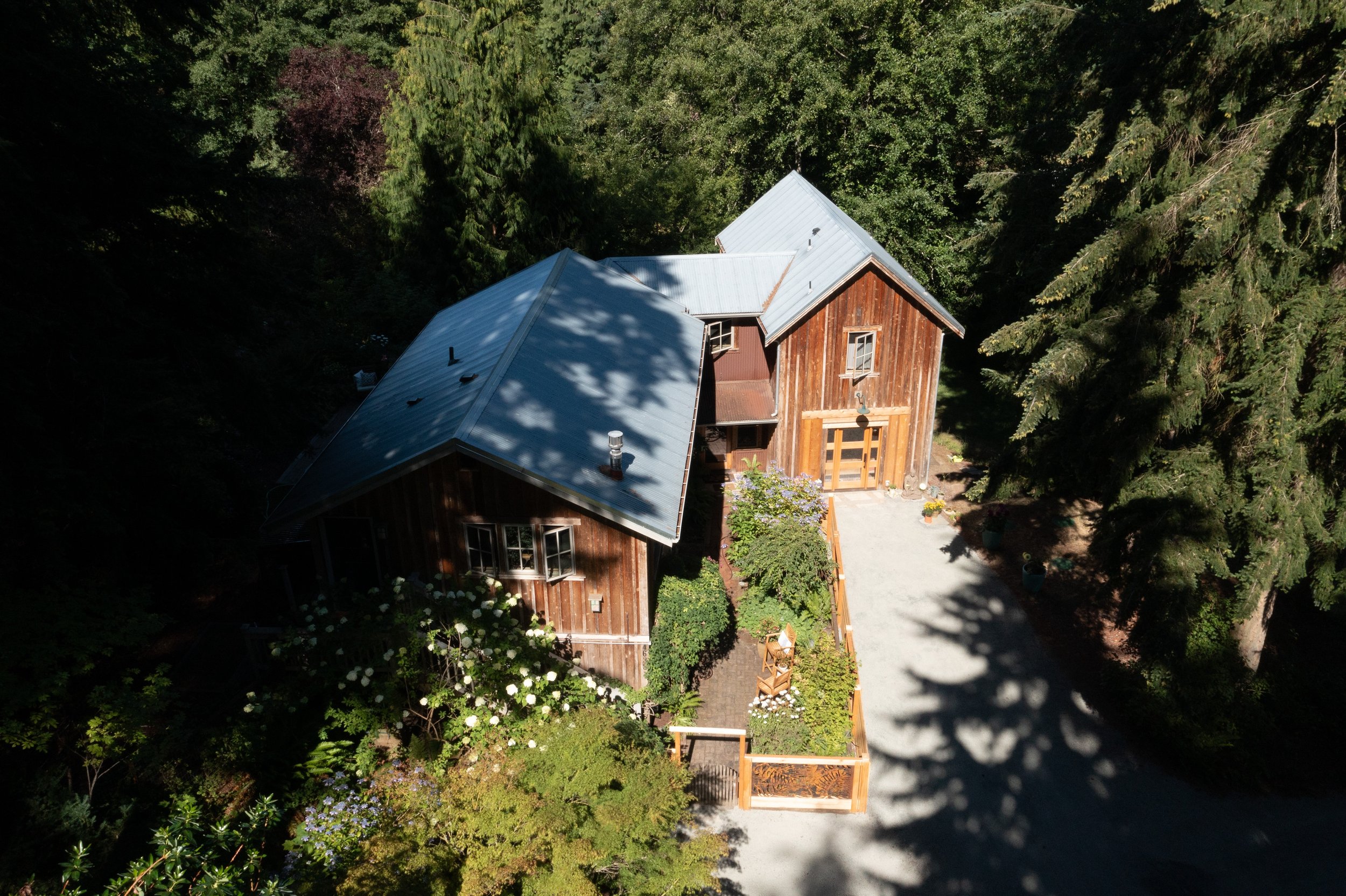
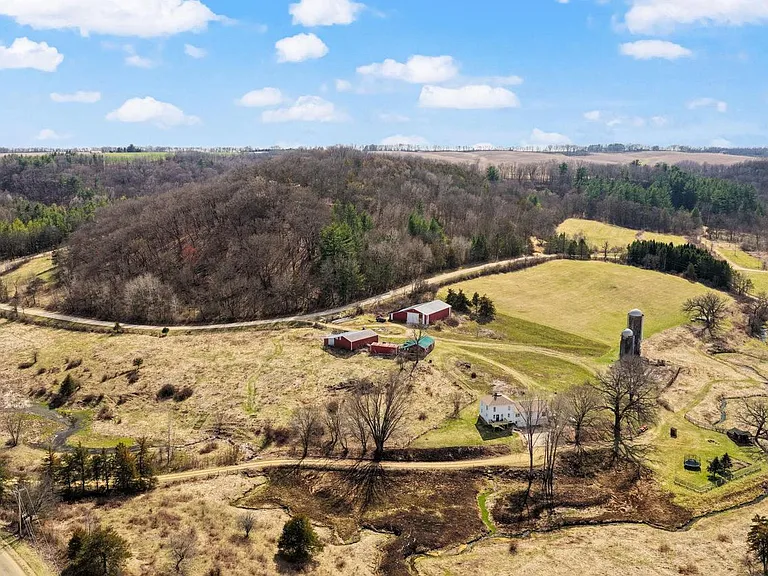
Latitude listing. Read the Dwell article: Mother-Daughter Duo List Dreamy Home in the Puget Sound
6. Co-Ownership Models
How people acquire homes is evolving toward cooperation and shared resilience.
Intergenerational down-payment support is becoming one of the most common pathways into homeownership, reflecting a return to family collaboration.
“Many of my younger buyers are working with family members to make homeownership a reality these days,” says Mark Voss, Latitude Partner and Change Agent.
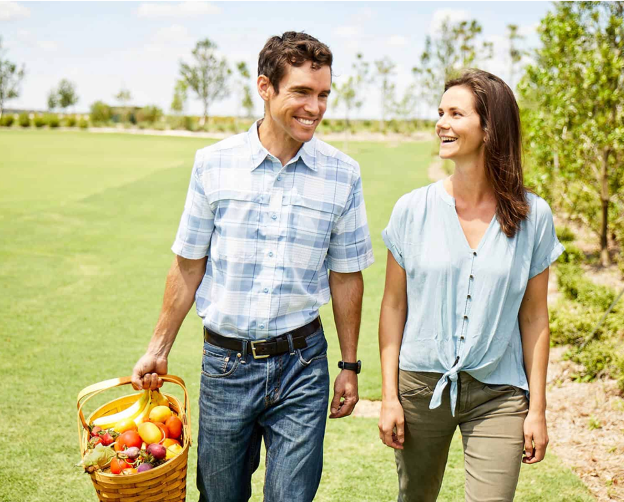
Co-buying is also on the rise: friends, siblings, and multigenerational households are purchasing land or clustered homes together, sharing tools, childcare, and stewardship.
These models reduce per-person resource use and rebuild the interdependence that modern housing often erodes. They also create stability and belonging—qualities increasingly recognized as essential to well-being.
This is ownership as relationship, not isolation.
Why These Shifts Matter
People want to make a meaningful difference in a world that feels fast-moving and fragile. The home is where this work can begin. It’s close enough to shape with intention and powerful enough to influence the land, community, and future generations.
These shifts are not about keeping up. They are about coming back—to relationship with materials, with ecosystems, with food, with water, and with one another.
Looking for a place to start? Download our Home as Sanctuary guide to begin shaping a home that supports your well-being and the world around you.
If you’re a member of the press and would like expert commentary, learn more here or reach out.