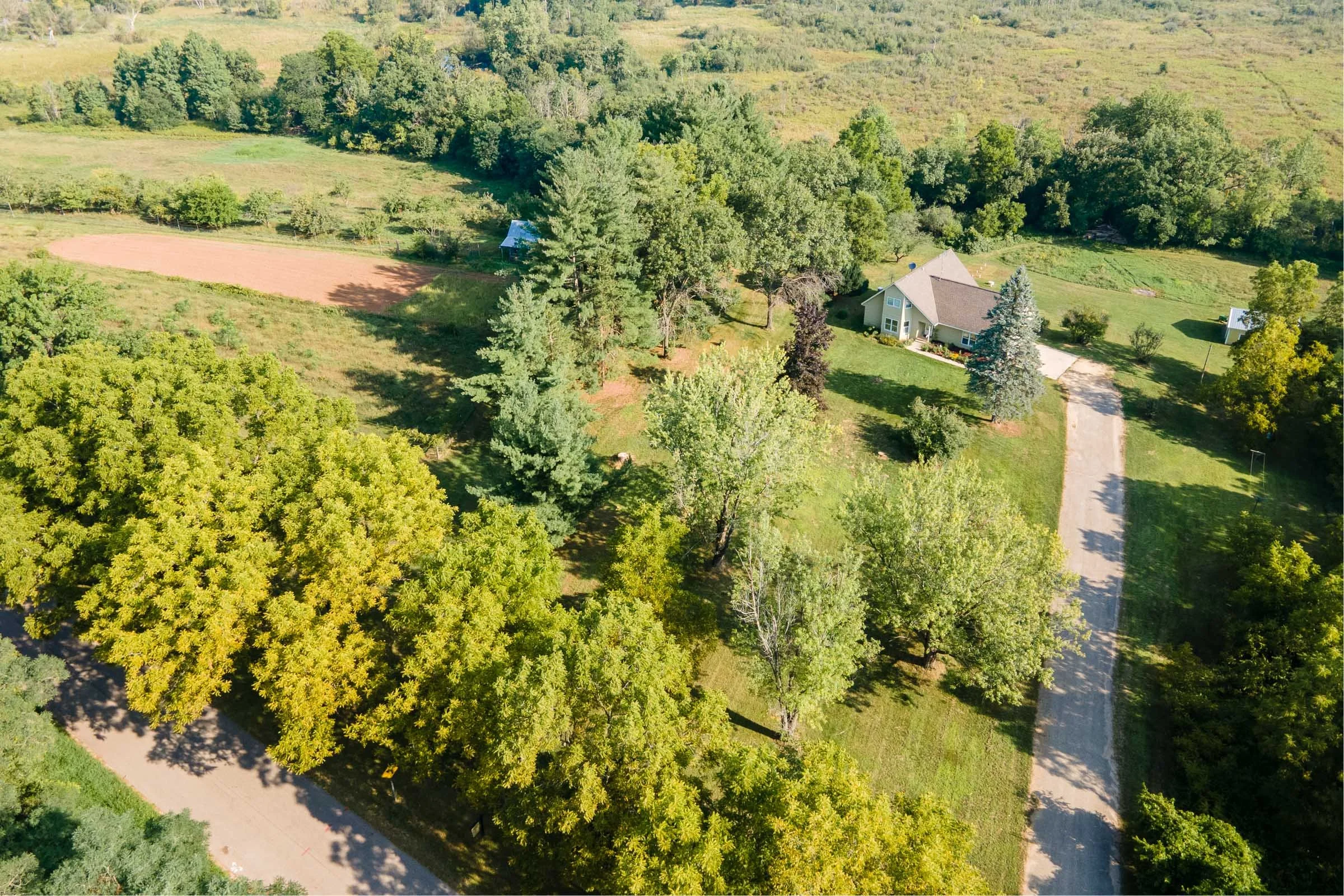
Montezuma Verde: Adriane Boff and Tobias Hahne on Regenerative Living in Costa Rica
Adriane Boff and Tobias Hahne on regeneration, biophilic living, and the land that reshaped their understanding of home.
As the sun rises over Montezuma Verde, the ocean crashes in the distance, steady and low, while the river bordering the property murmurs nearby. Parrots cross overhead. Howler monkeys call from the canopy. Light filters through the jungle in shifting layers — mist lifting, leaves catching gold, the day unfolding in beauty.
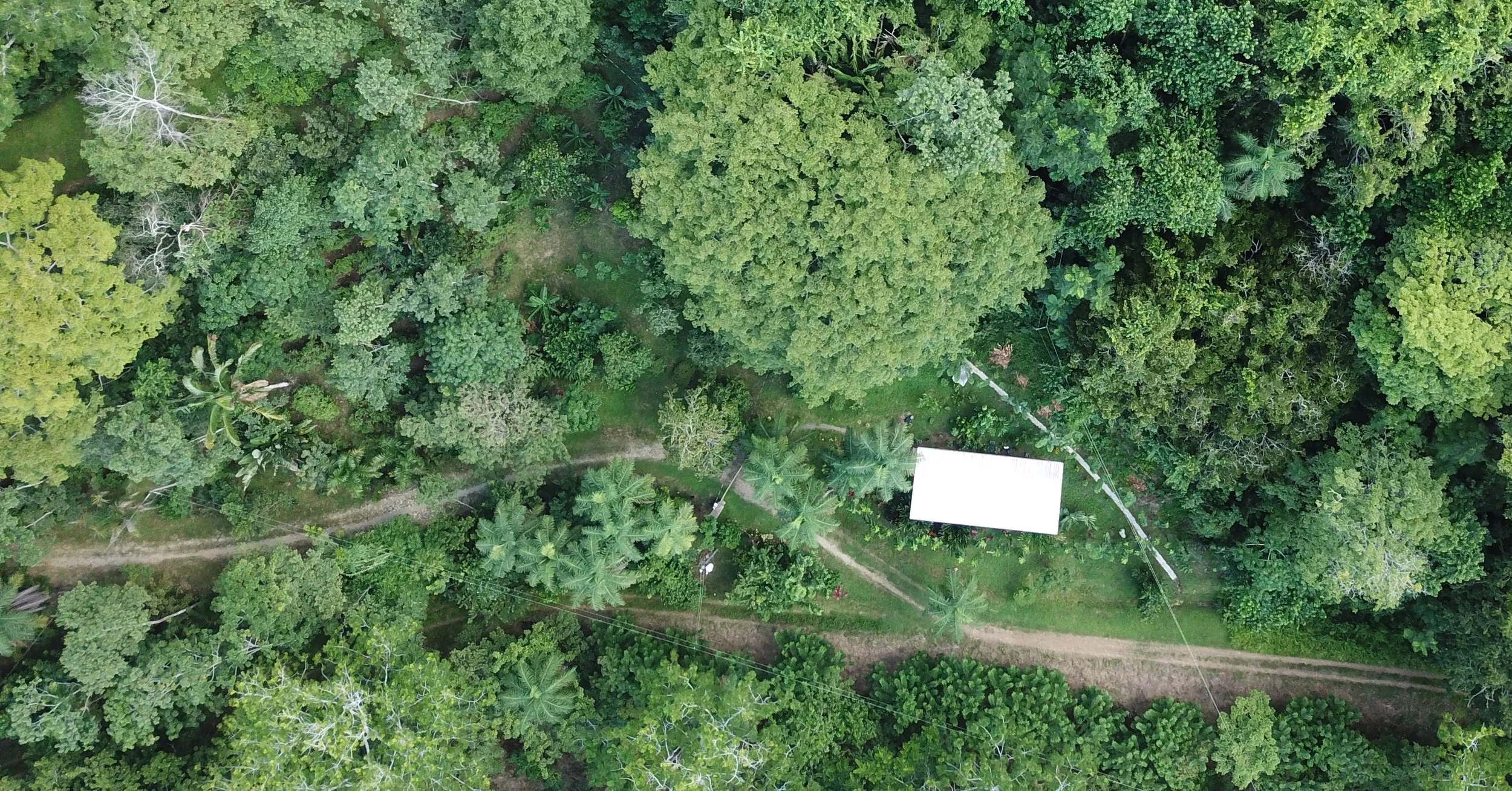
Image courtesy of Montezuma Verde
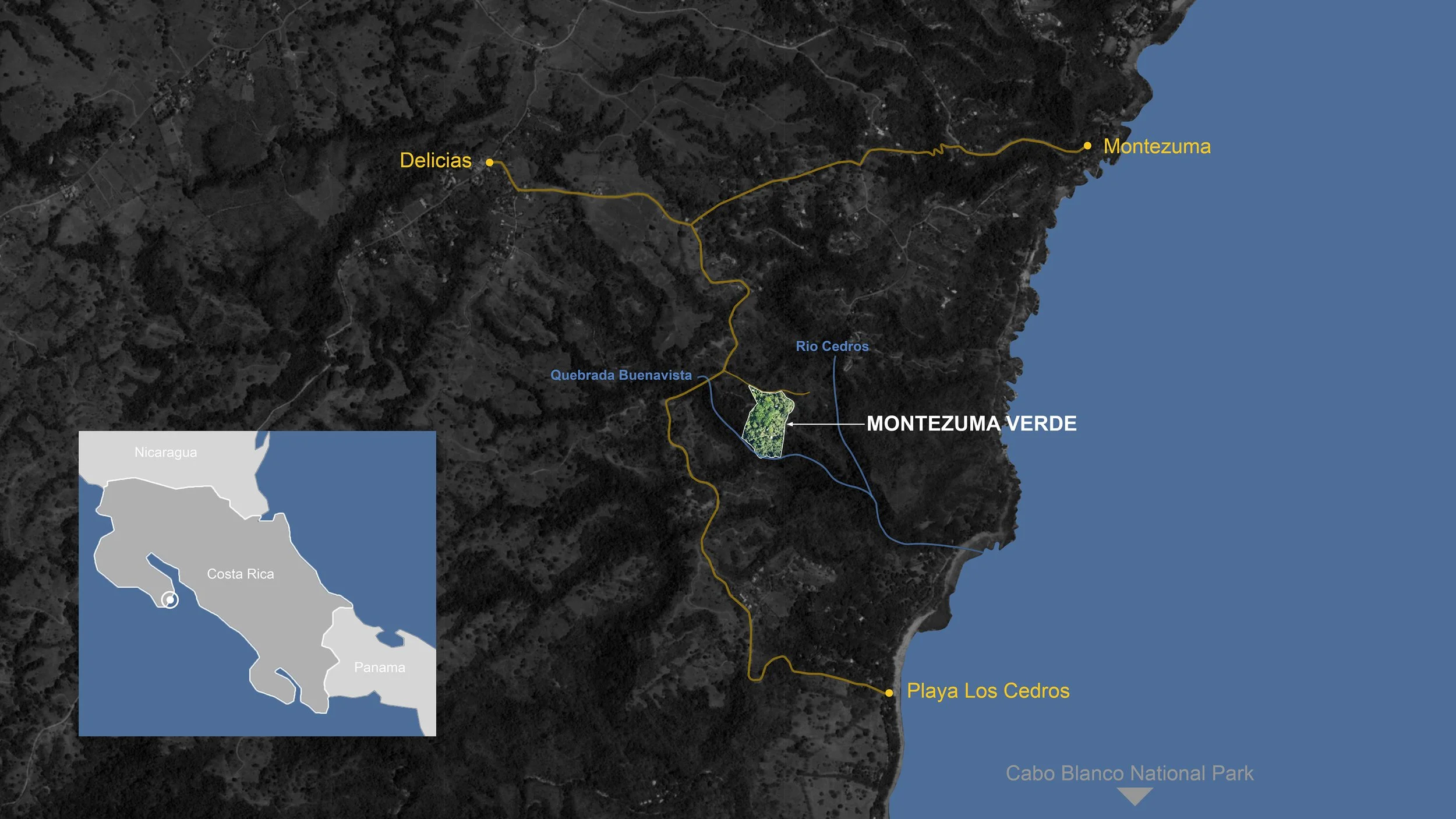
Montezuma Verde is a privately owned property in the hills above Montezuma, Costa Rica, stewarded by Adriane Boff and Tobias Hahne and guided by principles of regeneration. Over years of careful observation, patience, and hands-on care, they have learned where to intervene and where to step back, allowing the land’s existing rhythms to guide architectural decisions rather than override them.
In this story, Adriane and Tobias share the origins of Montezuma Verde, what brought them to this corner of Costa Rica, and their hopes for the neighbor who might one day call this land home beside them.
Origins & the Call to Costa Rica
Adriane was raised in Porto Alegre, Brazil, with early memories rooted in her Italian grandmother’s self-sustained farm. Tobias grew up in Munich, Germany, shaped by Alpine landscapes and a cultural emphasis on stewardship. Although their paths began worlds apart, they eventually converged in New York City, where a mutual friend did some matchmaking.
“These kinds of setups usually never work,” Tobias laughs. “But here we are — ten years later, with a three-month-old daughter, transitioning our lives from Brooklyn to Costa Rica.”
Long before Montezuma Verde took shape, Costa Rica had already entered their shared imagination. Adriane had explored the country multiple times. Tobias had a formative experience visiting friends living close to Nosara, on what had been raw land just a few years earlier.
“I remember thinking,” he says, “‘Why would anyone want to live any differently?’”
As they imagined a future together, Tobias posed a question that changed everything:
“Why do we go to 'dream places' on vacation instead of living there?”
They approached their search with rigor, traveling the Pacific coast and visiting nearly 50 properties across five regions. Their criteria were clear — river borders, ocean sounds, space for reforestation — but they also left room for the unplanned.
That openness led them to the land they now steward. Overgrown, imperfect, and immediately resonant.
“We connected with it right away,” Tobias says. “We saw the potential.”
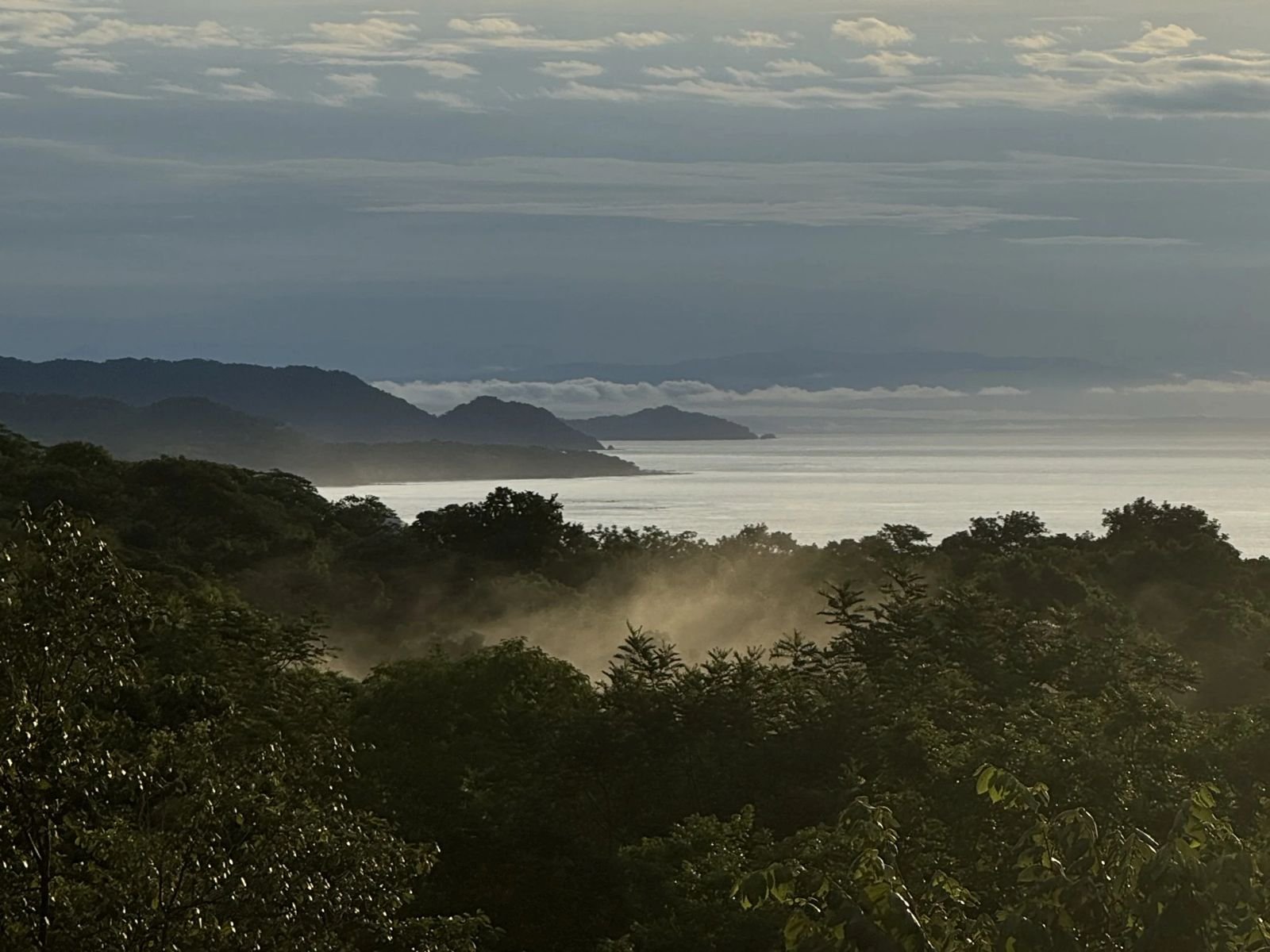
Image courtesy of Montezuma Verde
Designing With the Land
When they purchased Montezuma Verde in 2017, the land bore the imprint of cattle farming and controlled burns. What followed was not immediate building, but learning.
With guidance from an experienced finca steward, they began removing invasive species while protecting native trees. Erosion challenges led them to study water flow, slope stabilization, and long-term regeneration strategies.
As Tobias developed a holistic architectural master plan, Adriane immersed herself in permaculture.
“I had heard about regenerative farming years earlier while studying yoga and Ayurveda,” she says, “but it wasn’t until we bought the land that I truly dove deep.”
Their work unfolded in dialogue: architecture shaping planting, planting shaping siting. Over time, they planted more than 1,000 trees across 117 species — including fruit trees, palms, and endangered natives — and introduced their rompe cabeza system: a network of pathways that allows gentle intervention while encouraging the land’s own intelligence.
“Once the conditions were right,” Adriane explains, “native trees began returning on their own.”
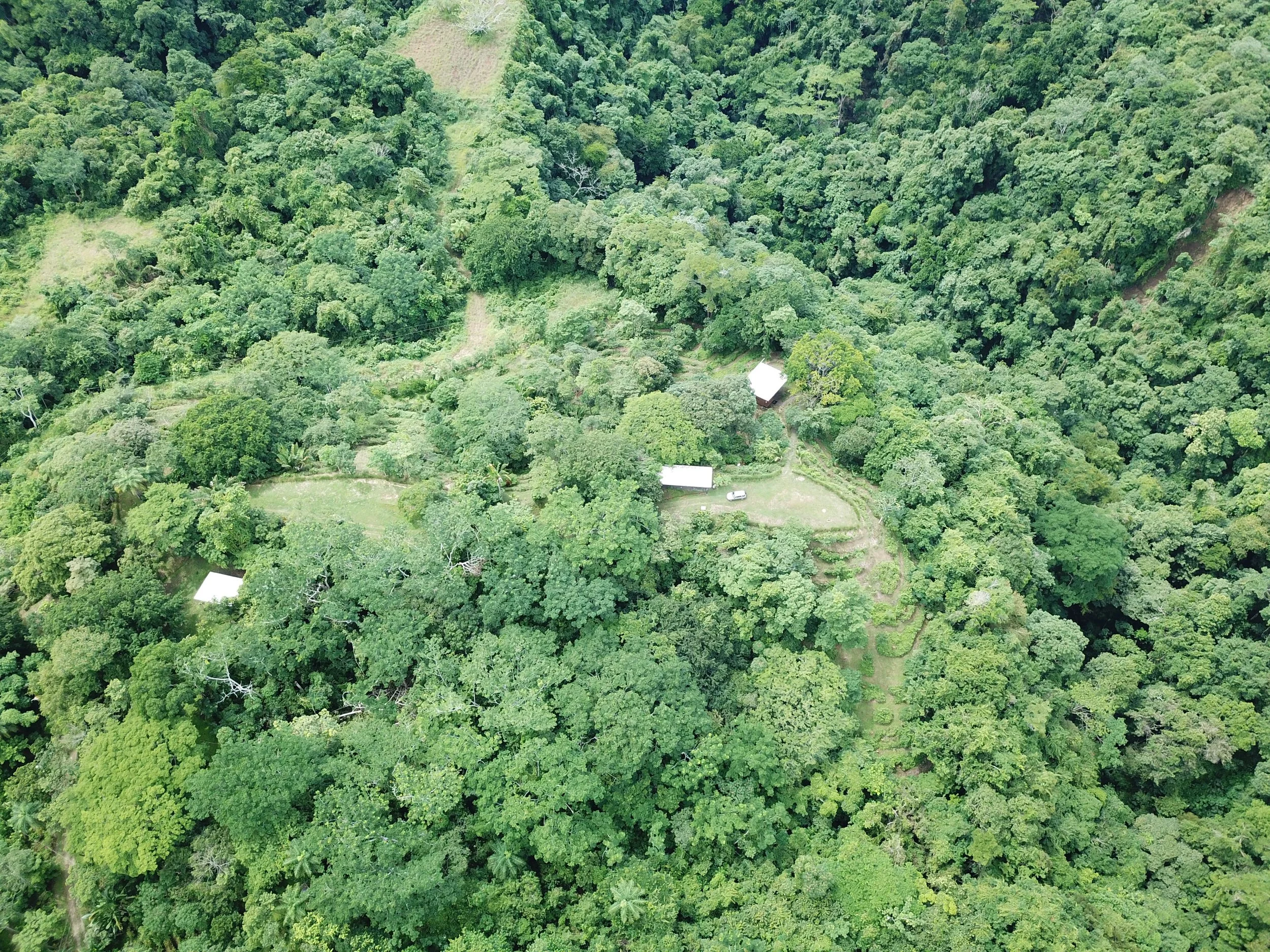
Image courtesy of Montezuma Verde
Life at Montezuma Verde — and the Neighbor They’re Calling In
Life at Montezuma Verde follows natural rhythms, not alarms.
“There’s no need for an alarm clock,” Adriane says. “The sequence of animal sounds wakes us up. It’s magical.”
Ocean and river sounds form a constant baseline. Howler monkeys mark sunrise and sunset. Rainstorms arrive with theatrical force. At night, the sky opens wide — untouched by light pollution.
“Biophilic design is key for this sensory experience,” Tobias notes. “In enclosed, air-conditioned spaces, you lose that connection.”
As they enter the next chapter of Montezuma Verde, Adriane and Tobias hope to welcome a neighbor who shares their values and approach to living with the land — someone curious and humble, drawn to simplicity rather than convenience, and open to a slower transition, just as they were.
They imagine a future neighbor who values privacy while remaining open to moments of shared experience — a walk to the river, a meal now and then, conversations in the vivero about the land. Practical collaboration matters too, which is why they envision sharing work through maintenance and the realities of stewardship.
“As beautiful as remote life can be,” Tobias reflects, “without the right support it can quickly turn into an exhausting experience.”
At its core, the invitation is grounded in shared values.
“Respect for the land,” Adriane says, “and for its surroundings.”
If You Listen, the Land Speaks
If Adriane could leave readers with one guiding principle, it would be this: slow down. “Give yourself still time in nature,” she says. “Observe. You’ll begin to notice patterns — and your place within them.”
Tobias describes the same truth through daily immersion: waking with the sun, resting with the dark, listening closely as the land shifts through sound, light, and season. What emerges from that attentiveness is not escape, but clarity.
Life at Montezuma Verde centers on stewardship rather than ownership, and on living in an ongoing relationship with the land. For the right person, the decision to be here will feel intuitive rather than transactional.
If you feel drawn to this way of living, the invitation is simple: reach out or check out the listing page. The right neighbor will understand.