This February, we traveled to Panama to spend several days with Thomas Patton and Adriana Roquer, founders of Lega Vera. An ambitious agrivillage project is unfolding — one rooted in regenerative agriculture, food sovereignty, and private land ownership within a working farm framework.
Latitude represents individual homes across the Pacific Northwest — Oregon and Washington — and throughout the Great Lakes region in Wisconsin and Illinois. That’s the heart of our daily work.
But we also support new community development through brand storytelling and strategic marketing — projects that bring health and wellness, sustainability, community, ecology, and spirit — our Five Roots — into the foundation from the beginning.
When we step into that second role, geography becomes secondary to vision. We went to understand Lega Vera in context — not just the land itself, but the country surrounding it.

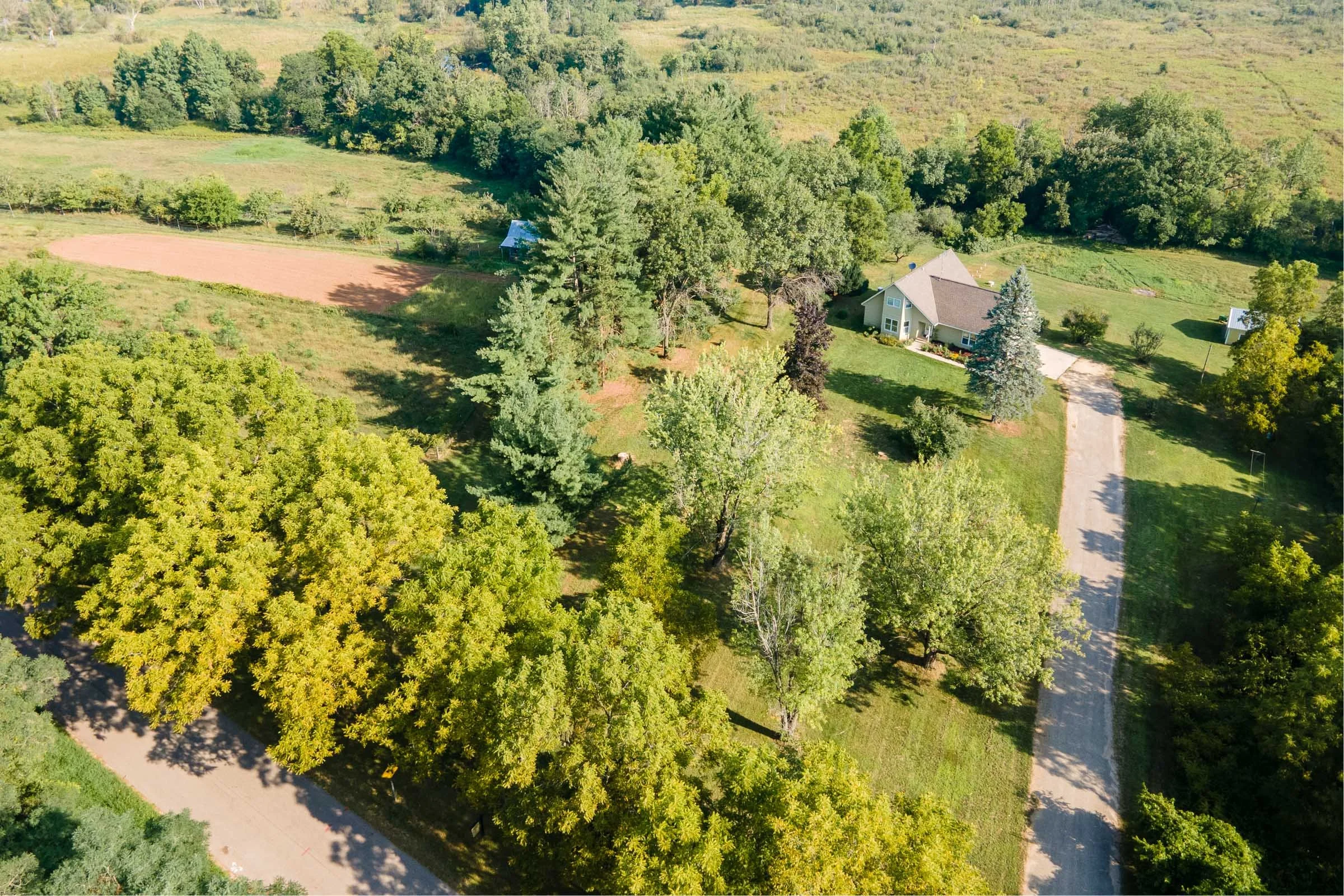
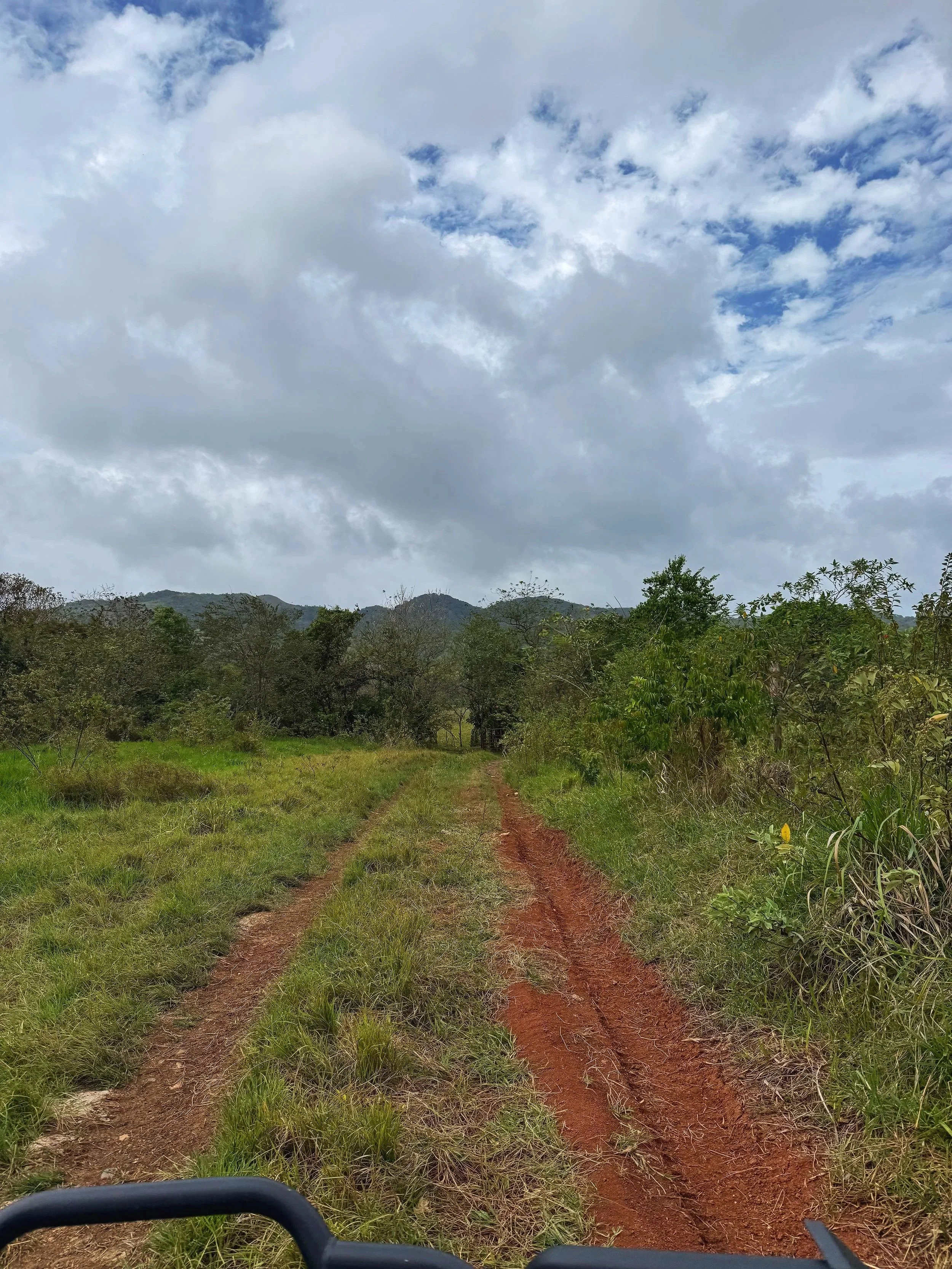
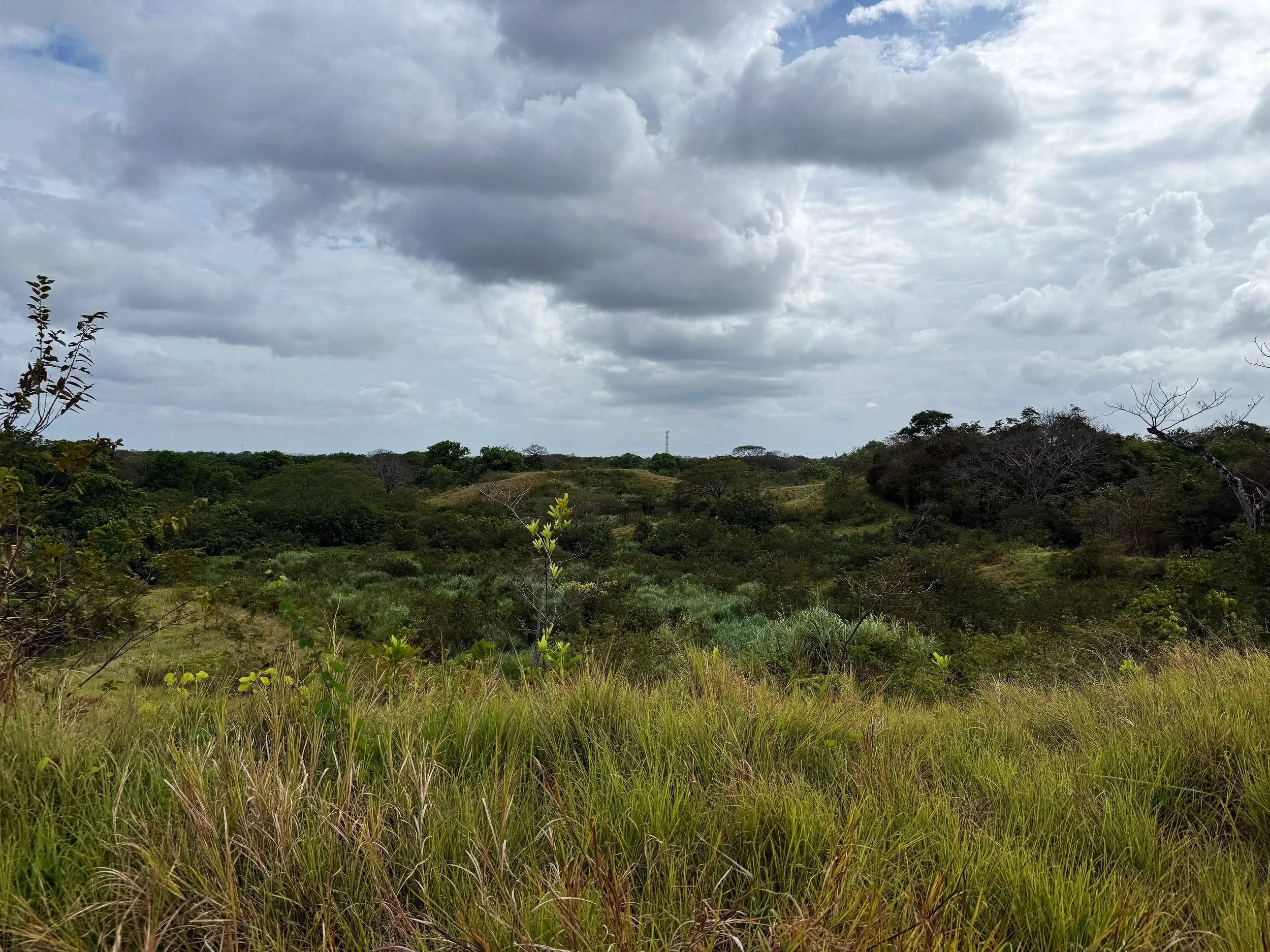
Looking towards Lega Vera, in the foothills of the Mesoamerican Biological Corridor.
From City to Soil
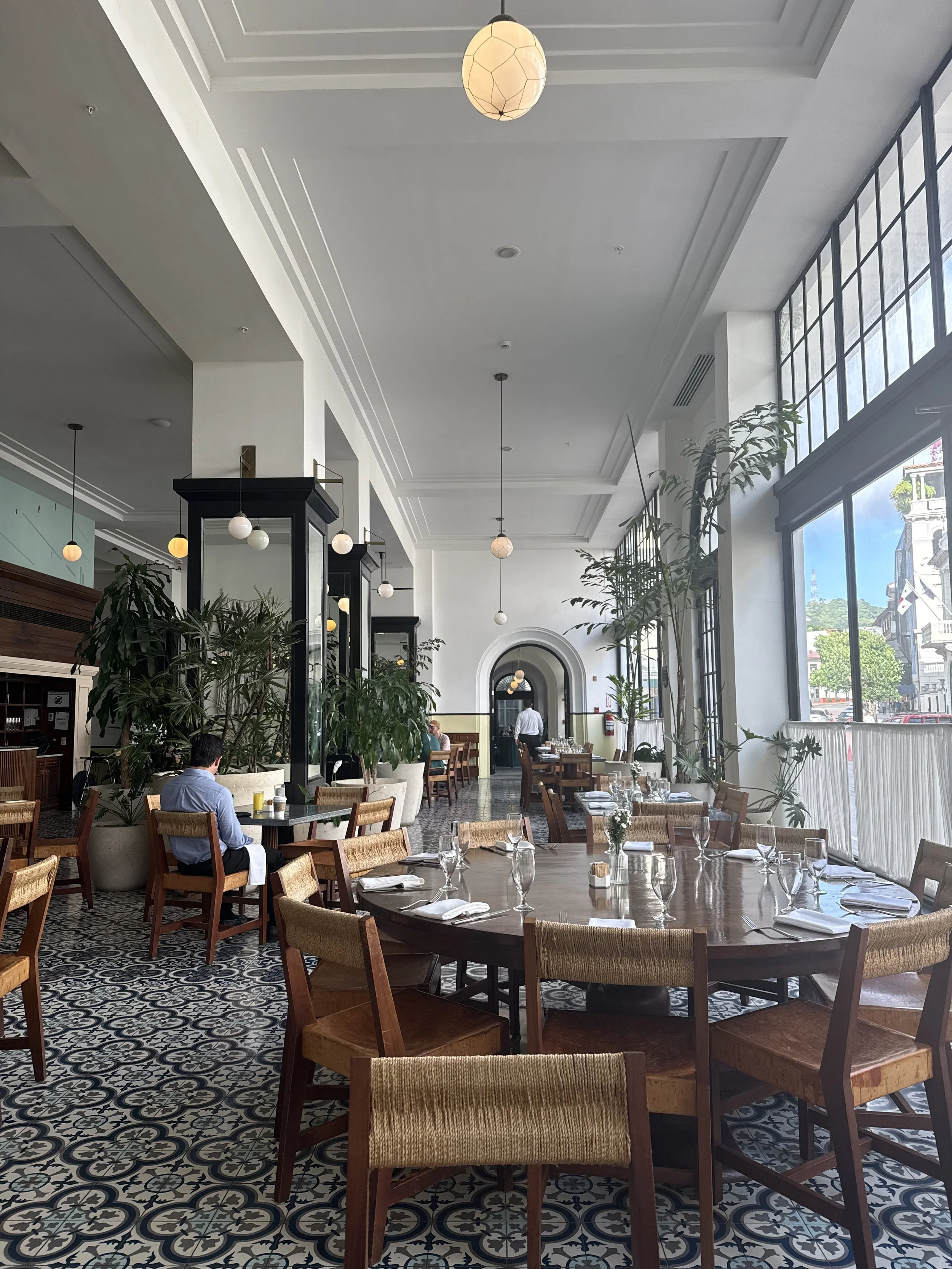
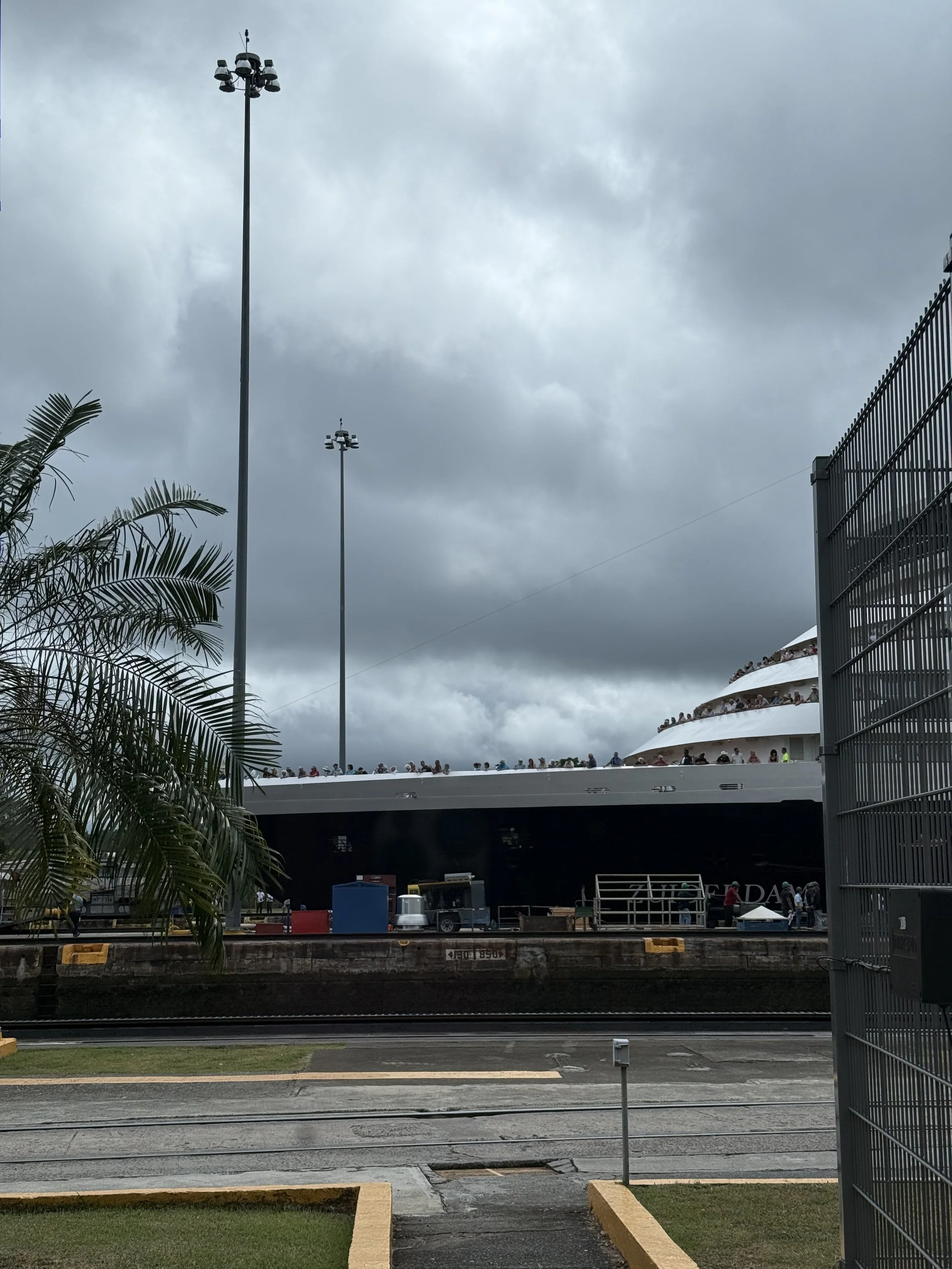
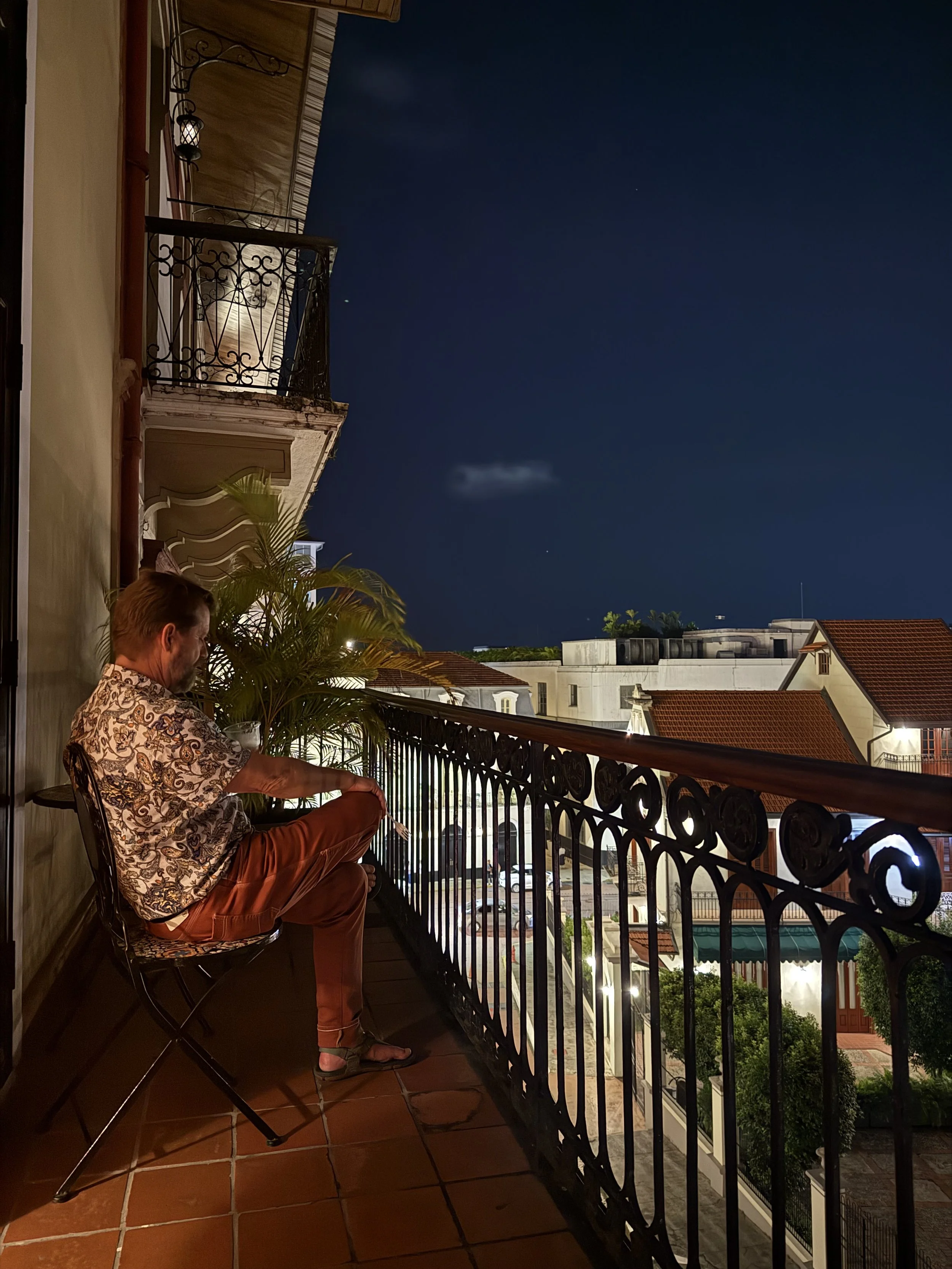
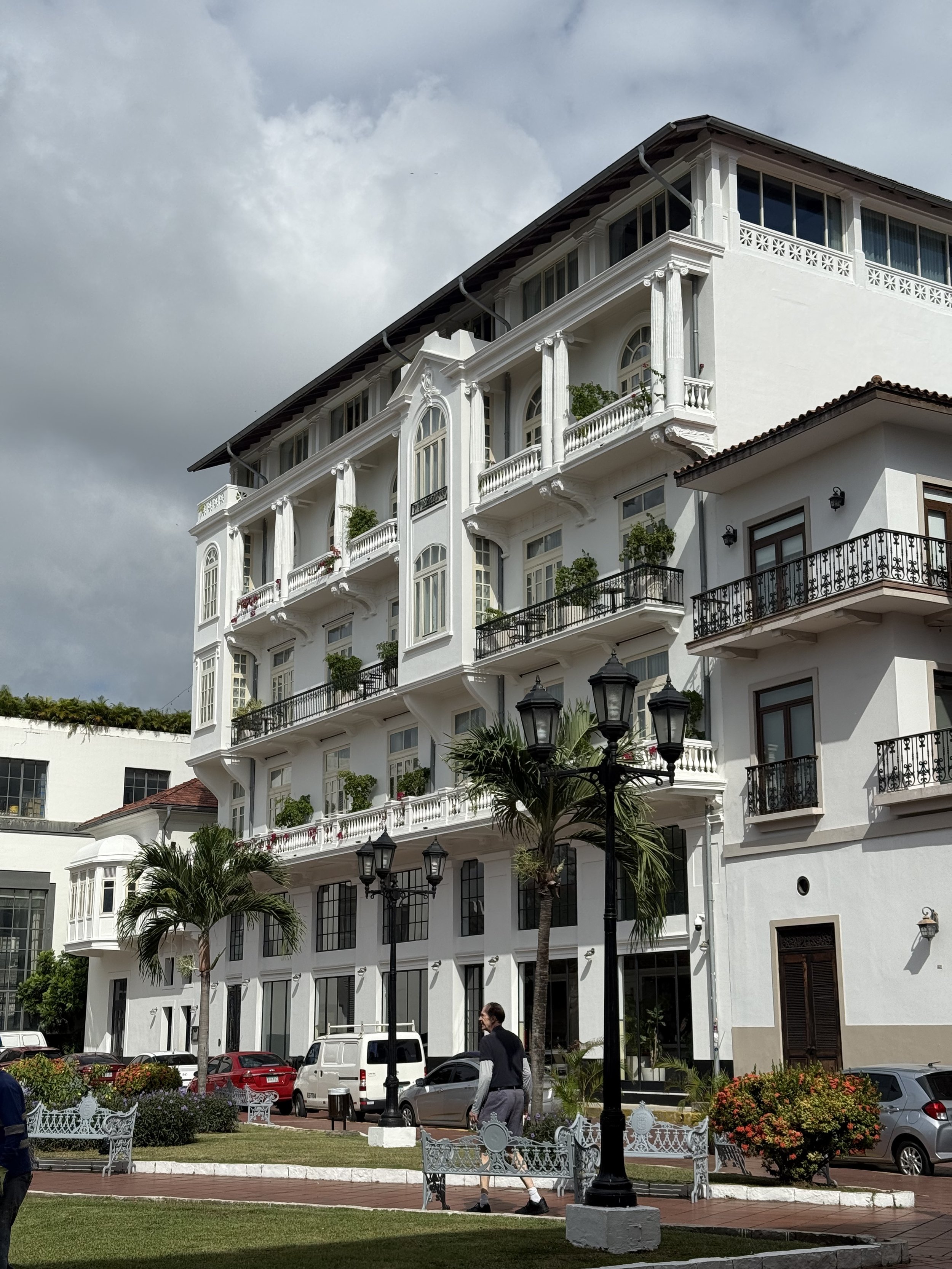
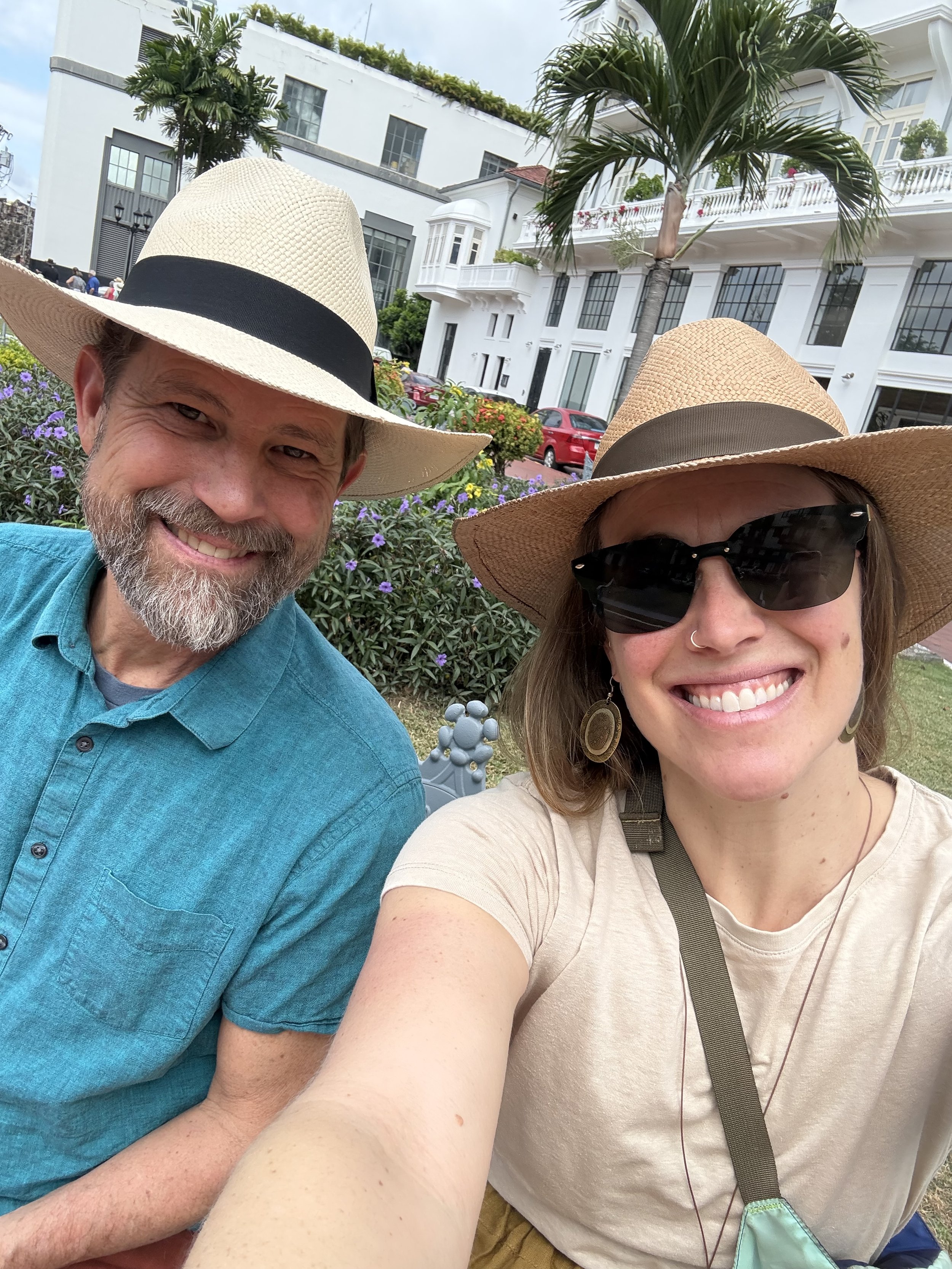
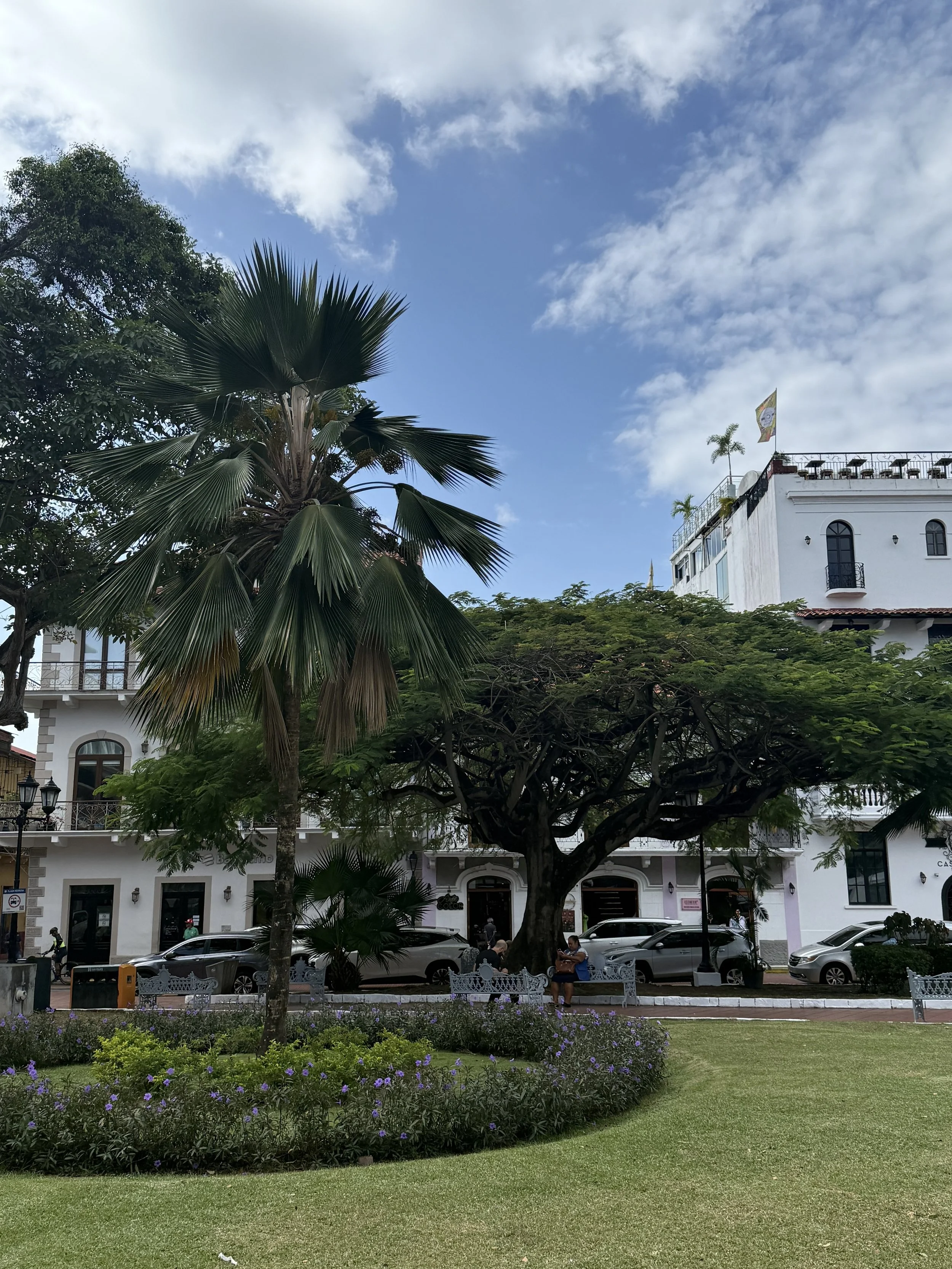
Alissa and Mark began in Casco Viejo — the historic quarter of Panama City — where colonial facades meet the skyline of Central America’s financial hub. They visited the Panama Canal, a feat of global coordination and engineering that reshaped world trade and continues to anchor the country’s economic life.
Context matters. Land does not exist apart from national structure, infrastructure, and global connection.
From the city, they traveled east toward the land.
They arrived at the Coquira Soil Project, a 5,500-acre working farm and ranch that serves as the regenerative backbone adjacent to Lega Vera. What had once been industrial pineapple fields is now under active restoration. More than 1,300 head of cattle are managed through rotational grazing systems informed by the Savory method, rebuilding soil health through carefully timed movement across pasture.
They toured pastures, walked the land as the clouds parted and the sun emerged, and spent three consecutive days stirring, spraying, and making biodynamic preparations.
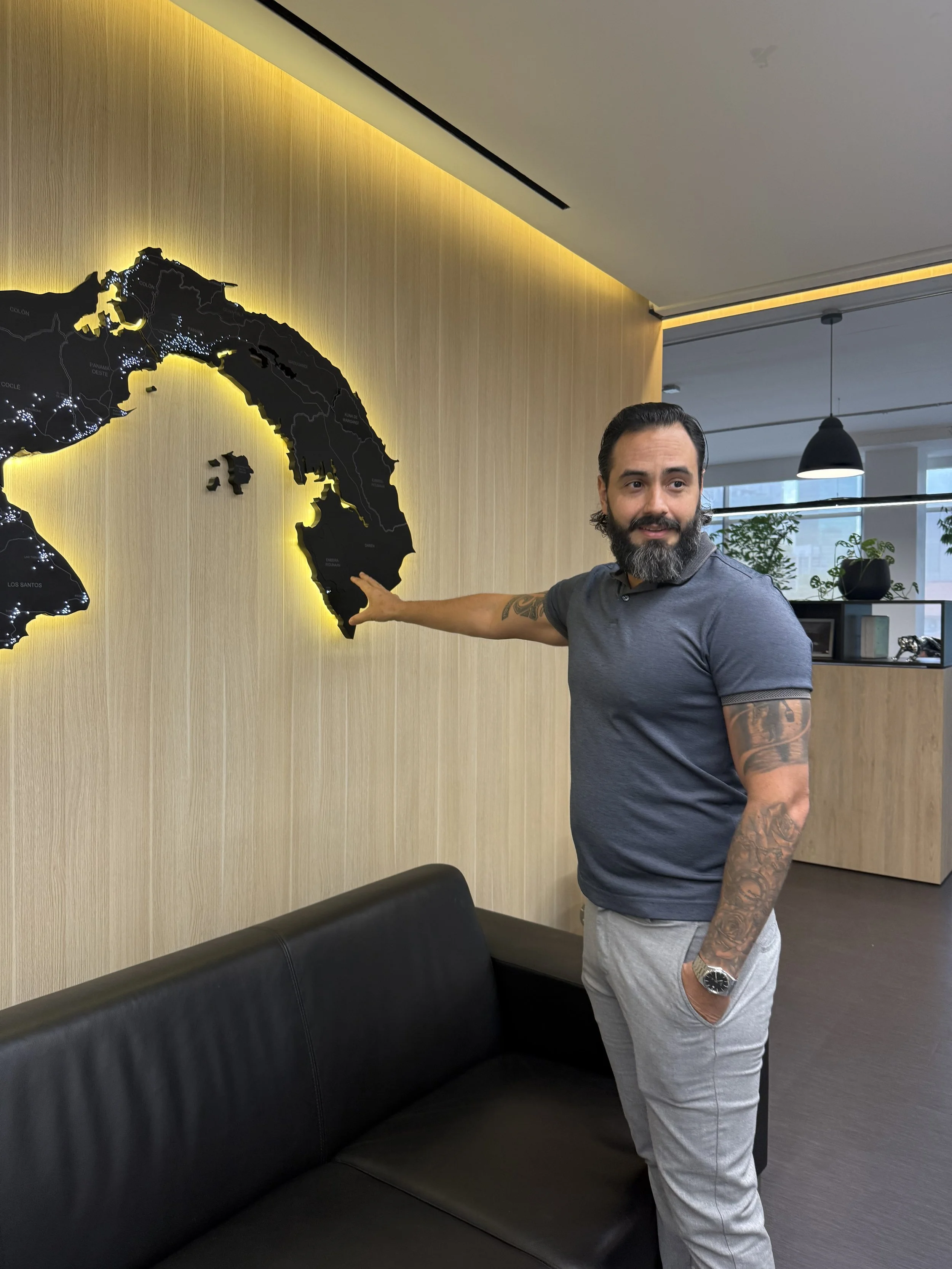
The days were physical and expansive. The conversations were equally so. Alissa and Mark discussed infrastructure planning, residency pathways, and the region's long-term vision. They observed how decisions were made, how agricultural systems were structured, and how Panama’s broader economic and legal framework strengthened what is being built.
When Latitude supports a project at this level, evaluation happens on the ground. Attention is paid to how land is treated, how founders think and feel, and whether vision aligns with execution. They returned with clarity, enthusiasm, and confidence.
“Lega Vera deserves serious consideration for those who prioritize food sovereignty, land stewardship, and the exploration of investment and business opportunities in a country that is both peaceful and welcoming to foreigners. It offers a rare balance — living immersed in nature without disconnecting from structure,” shares Alissa.
Based on what they saw and learned, here are the key questions anyone considering Panama should be asking.
What exactly is Lega Vera?
Lega Vera is the first farm village of its kind in Latin America — a privately deeded community located approximately 60 minutes east of Panama City, near Chepo. Set in the foothills of the Mesoamerican Biological Corridor, it rests between the Mamoni and Chepo river systems and is within reach of the Pacific Ocean.
But Lega Vera did not begin as an idea on paper.
Thomas Patton, founder and farmer, spent over 20 years working on the land before taking over nearly a decade ago. Under his leadership, what was once a chemically intensive, industrial pineapple plantation has undergone a long-term transition: from monocrop extraction to regenerative pasture; from depleted soil to biologically active; from commodity export to regionally rooted food production.
Today, Thomas considers himself a “grass farmer.” The goal is straightforward but ambitious: restore soil health at scale while producing nutritionally dense beef for the region — currently one of the only consistent sources of its kind locally.
Lega Vera emerges from this foundation.
Designed for homes and working farms grounded in agroecological principles, the farm village integrates private land ownership within the context of a functioning regenerative agricultural system. The model is neither suburban development nor shared farmland. Each owner holds title to individual parcels intended for long-term stewardship.
Buyers choose between fincas, suited for household-scale food production and homesteading, and ranchos, designed for larger agricultural and livestock systems capable of supporting enterprise-level production.
Beyond agricultural parcels, the village is envisioned as a connected, health-centered community supported by thoughtfully integrated amenities. Plans include a commercial center with a co-op and café, kilometers of trails for walking, biking, and horseback riding, equestrian stables, a gym and yoga studio, a playground, a plant nursery, a boutique hotel, and 24/7 security.
Proximity to Panama City provides access to healthcare, education, banking, and international travel — while daily life remains immersed in nature.
Does Panama provide a stable foundation for long-term living?
Land is only one layer of the equation. National context matters.
Panama is home to roughly four million residents and is globally connected through the Panama Canal, which anchors international trade. The economy is dollarized. International banking operates within the country. Political neutrality is reinforced by the canal’s global economic relevance.
Panama operates on a territorial tax system, meaning foreign-earned income is not taxed locally. Established residency pathways tied to investment exist. Property ownership protections for foreign buyers are clearly defined under Panamanian law.
For families and entrepreneurs considering geographic diversification, second residency, or business relocation, these structural elements are part of the decision-making framework.
What would it take to move or invest?
Reservation of lots began in late 2025.
Beginning in March 2026, rental agreements with an option to purchase will allow future owners to begin planting, installing solar-supported structures, drilling wells, and activating agricultural systems prior to the anticipated final deed transfer in Spring 2027. With roughly 80% of properties in Panama purchased with cash, this structure offers meaningful flexibility for those seeking more creative financing options.
In the coming months, Latitude will host conversations with Lega Vera’s relocation attorney and local partners to walk through residency pathways, tax considerations, and legal structure in greater detail. Relocating or investing internationally requires planning.
But timing also matters.
Early buyers are Founding Circle members and receive 20% off their lot price. They also have flexibility — in parcel selection, in shaping agricultural systems, and in influencing how the village center and supply chains mature. As infrastructure develops, optionality narrows. Entering early is not only about price positioning; it is about participation in formation.
Where are the broader economic and diversification opportunities?
Beyond homesteading and farming, there is a wider lens.
Panama’s organic food market remains underdeveloped relative to demand. Hospitality, export channels, and urban consumers increasingly seek nutrient-dense, regeneratively produced food. Supply chains are forming, not saturated.
For entrepreneurs, ranchos offer the potential to build agricultural enterprises that integrate with Coquira’s broader ecosystem — dairy, specialty crops, value-added products, agro-tourism, equestrian services, boutique hospitality, education, or regenerative training programs.
For investors, geographic diversification into productive land within a dollarized economy offers a different risk profile than purely financial assets. The opportunity is not speculative sprawl. It is soil-based production aligned with the rising global demand for food resilience.
Early adopters are not only buying land. They are entering a developing regional food economy at a foundational stage.
How would daily life actually function?
Lega Vera sits within reach of Panama City.
Close enough for healthcare, private schooling, banking, and international flights — yet far enough that daily life follows the rhythm of soil and season rather than city pace.
Private schools, including Waldorf-based early childhood options and internationally recognized high schools, are available in the city. Commuting remains feasible. At the same time, the vision anticipates families who want education embedded in community life. Educators and school hosts willing to build something nature-centered alongside founding residents would find space here to do so.
Daily life shifts outward.
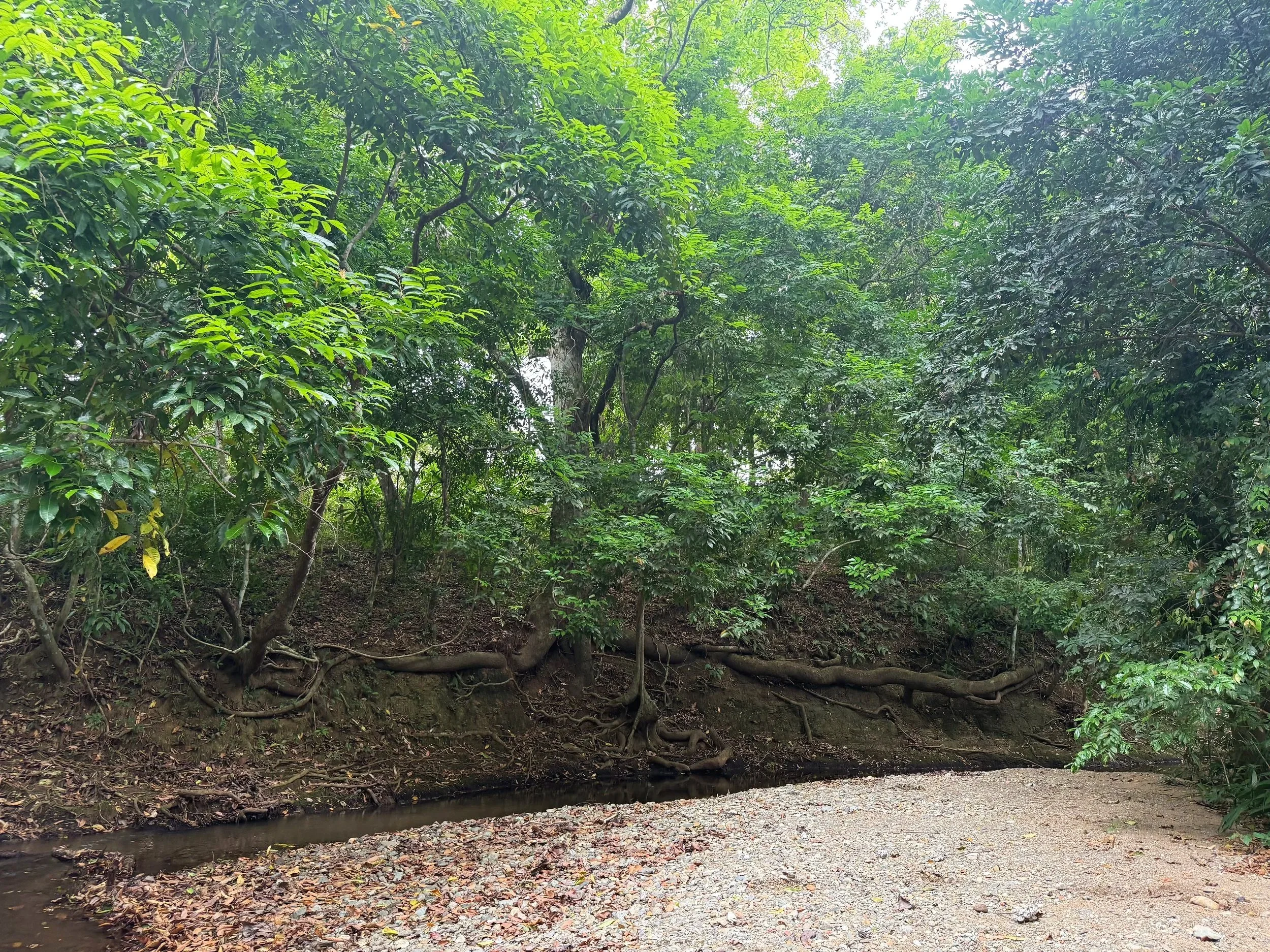
Sunrise over pasture instead of street noise. Rivers threading through grazing fields. Forest edges intact. Wildlife moving freely. The Pacific accessible — fifteen minutes to the port, thirty to open ocean — making boating and coastal exploration part of ordinary possibility.
You are not removed from infrastructure. You are living inside an ecosystem — surrounded by the biodiversity of the Mesoamerican Biological Corridor, with access to one of Central America’s most connected cities when needed.
Is there real agricultural experience behind this?
Regenerative farming sounds compelling in theory, but restoring land at scale requires infrastructure, management, and long-term commitment.
This context matters because Lega Vera is not forming in isolation. It is growing alongside an operational regenerative farm (Coquira Soil Project) with proven agricultural management in the same climate and ecosystem. For prospective village residents, that reduces uncertainty. It means there is practical knowledge, infrastructure, and an existing rhythm of land stewardship already established in the region through the Farm Concierge team.
In short, the agricultural foundation is not theoretical. It is visible and a phone call away.
Could I actually grow meaningful food there?
Food sovereignty is about increasing agency — growing more of what feeds your household and reducing reliance on distant supply chains.
Panama’s tropical climate allows year-round production. There is no prolonged winter dormancy — instead, a dry, windy summer and a rainy season marked by afternoon showers. Coffee and cacao grow naturally. Fruit trees produce continuously. Root crops regenerate. Grains and vegetables can rotate across seasons.
Lega Vera pairs that climate advantage with a structured agricultural support system through its Farm Concierge Team. Owners are not expected to farm alone. Land preparation, fencing, earthworks, planting plans, livestock integration, and regenerative practices are supported collaboratively. The model is partnership, not outsourcing.
Farming in isolation often leads to burnout. Here, agricultural momentum is sustained through shared systems and experienced local support. Owners can also hire full-time help for their finca or rancho if desired.
On a finca, a household can steward poultry, bees, small livestock, vegetables, cacao, coffee, and aquaculture in meaningful quantities. On a rancho, scale expands into larger orchards, dairy animals, rotational grazing systems, and substantial livestock herds.
Production is supported by climate, collaboration, and scale.
So, who should be paying attention?
For those seriously considering food sovereignty, land stewardship, second residency, geographic diversification, or participation in an emerging regenerative food market, this framework warrants thoughtful attention.
Lega Vera combines:
An operational regenerative backbone through the Coquira Soil Project
Individually deeded land ownership
Year-round agricultural potential
Proximity to a globally connected city
A national structure that supports investment and residency
That combination is uncommon.
Alissa and Mark returned with clarity about who this genuinely serves: families and entrepreneurs seeking greater agency over food production, long-term land stewardship, and geographic resilience — without severing access to infrastructure and global connectivity.
The question is less whether Panama is “right” in general.
It is whether these conditions align with the life and the level of participation you are intentionally building.
Interested? Reach out to us at team@chooselatitude.com for more information