Cultivation as Connection: Jennifer Jewell on the Human Impulse to Garden
Gardening is often portrayed as a pastime, an optional extra woven around daily life. Yet across history and across cultures, people have shaped land for reasons that reach far beyond necessity. Jennifer Jewell, host of the acclaimed show Cultivating Place, has spent decades listening closely to gardeners and land tenders. Through those stories, she uncovers a pattern: cultivation is one of the most enduring ways humans connect to place, and its impact reaches well beyond the edge of the garden bed.
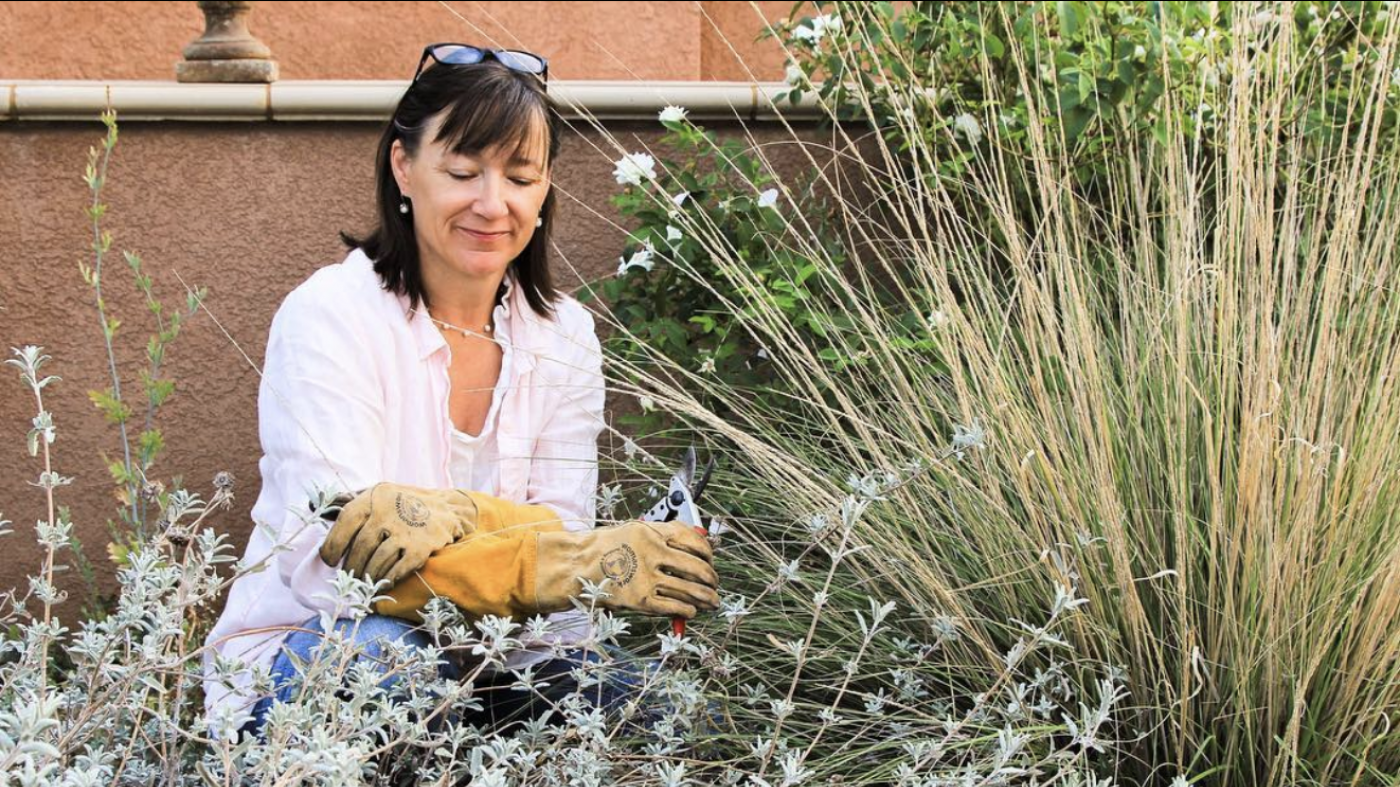
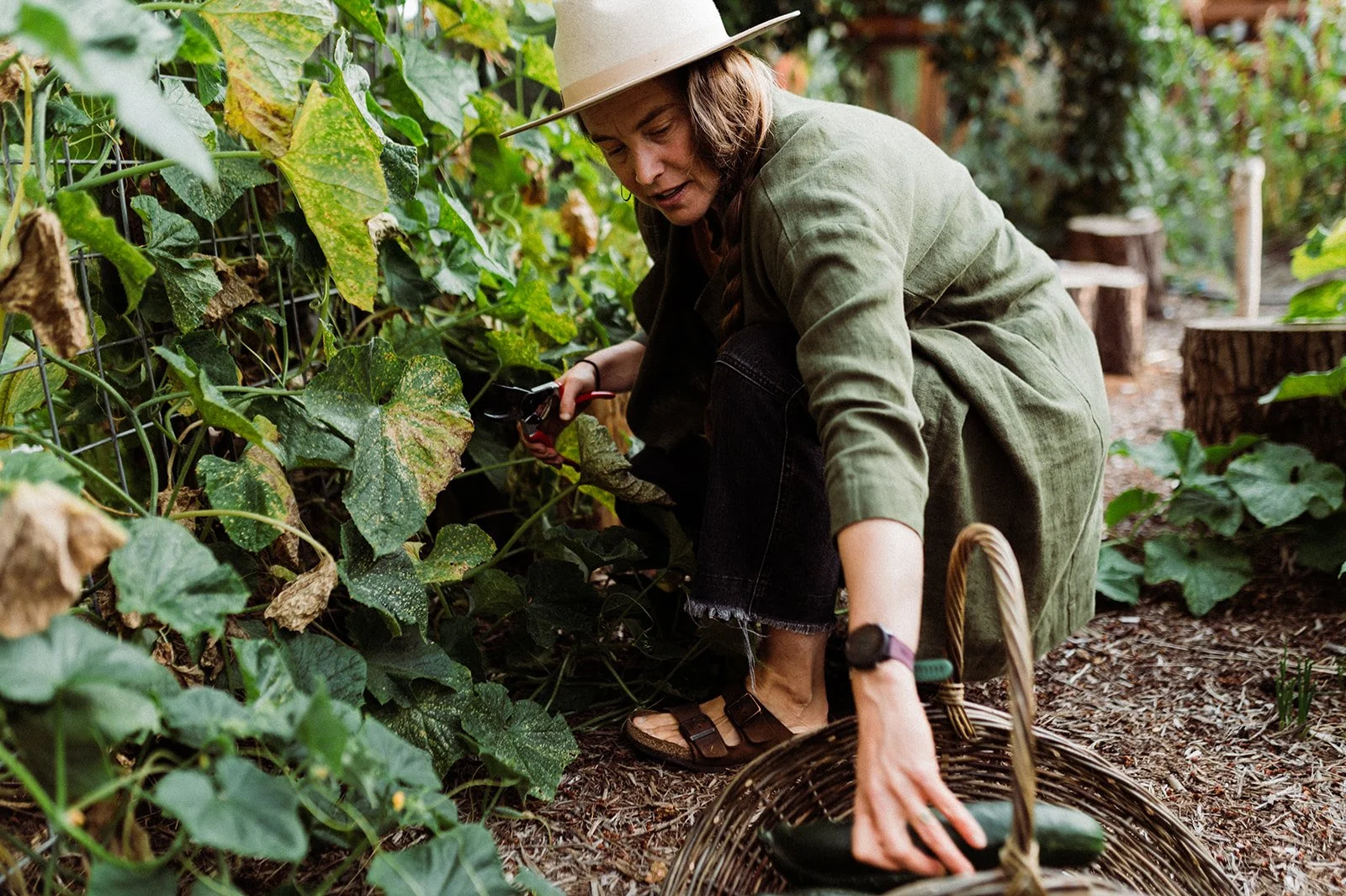
Jennifer Jewell, gardener, creator, and host of Cultivating Place.
Expanding the Meaning of Gardener
Jewell grew up at 8,000 feet in Colorado, where her father studied wildlife biology and her mother coaxed life out of a landscape defined by wind and short seasons. In adulthood, she realized how different her experience was from the version of gardening promoted in magazines and media. Too often, the focus rested on aesthetics rather than on the deeper cultural and ecological threads that knit gardeners to their regions.
That realization eventually led her to public radio. In 2010, she launched Cultivating Place, a show dedicated to exploring why people grow. After hundreds of episodes, she now sees gardening as a practice far larger than any single method or style. For many people, it becomes a way to understand their surroundings, express identity, care for soil, and participate in cycles that existed long before them.
Jewell often describes these gardeners—those who cultivate with intention, curiosity, and awareness—as a keystone force in their communities. Their influence extends outward, shaping how neighbors perceive land and how local ecosystems respond over time.
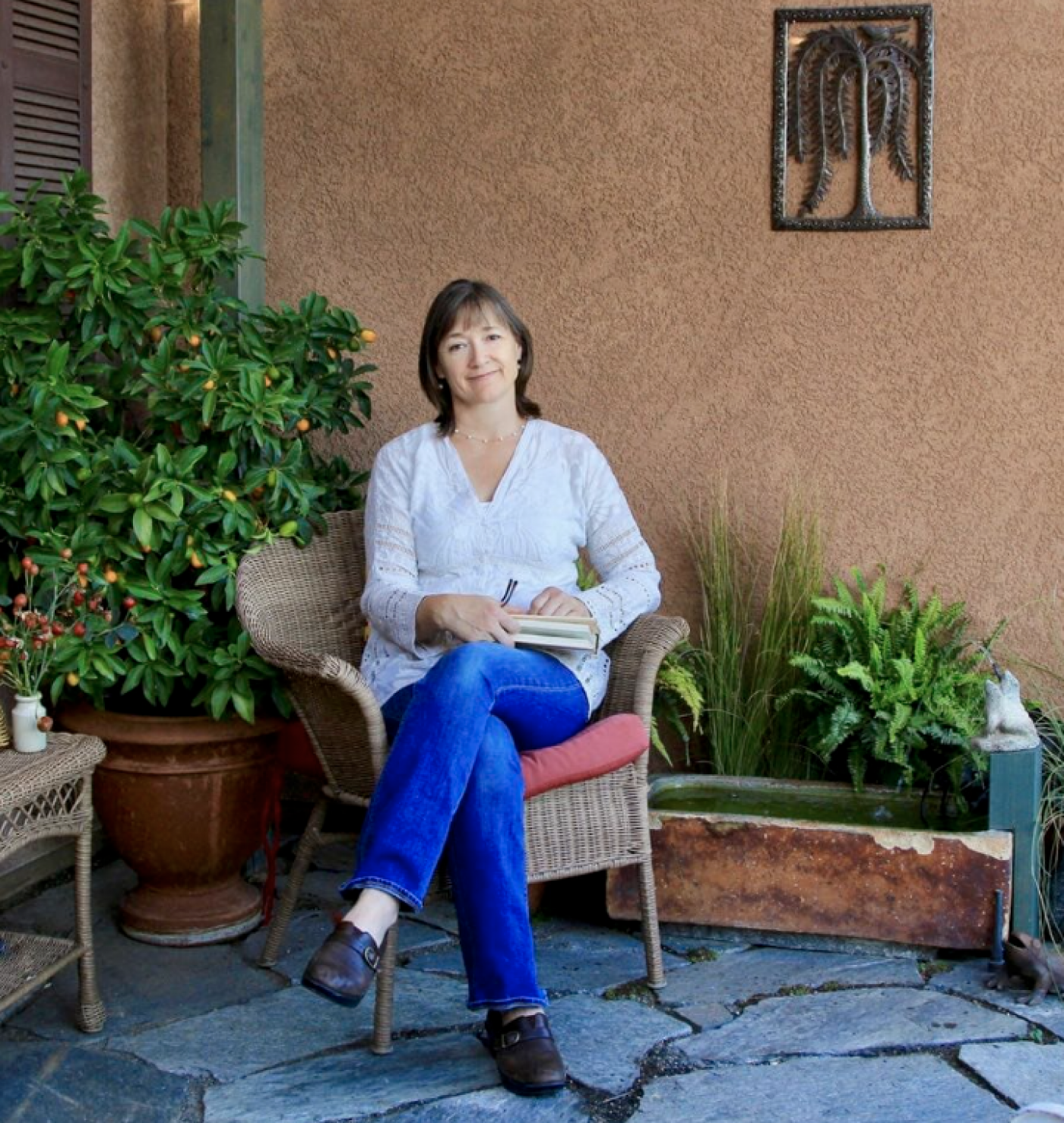
Jennifer’s mission is to celebrate a deeper connection to the world around us through the cultivation of gardens and to explore nature through her writings, photographs, exhibits about gardens and natural history, and her podcast.
Cultivation as Agency
When the world feels uncertain, people tend to move toward what grounds them. The surge in gardening during the pandemic was a vivid example. Growing food at home rarely saves money, yet countless people built beds, tended herbs, and reconnected with soil.
For Jewell, this wasn’t surprising. Gardening provides a direct, visible sense of participation—an antidote to the scale of climate change and ecological loss, challenges that can otherwise feel abstract and overwhelming. A single yard or balcony offers something tangible. It becomes a place where effort produces a clear result, where people can see the return of pollinators, the cooling shade of a tree, or the resilience of plants adapted to local conditions.
Sharing that knowledge matters. Gardeners who pass along seeds, methods, or the simple pleasure of growing help anchor their communities. They create pathways for others to begin, which is how collective shifts take root.
Beyond the Divide of Luxury and Necessity
In the United States, gardening is often sorted into two categories: either an expression of privilege or a task tied to survival. Jewell’s work reveals how incomplete that framing is. In many parts of the world, gardens hold roles that blend cultural memory, celebration, and everyday sustenance. They are not divided neatly into practical or ornamental. They are woven into life.
She recalls vivid stories from her listeners and guests, including those from Ladakh in northern India, where fields of vibrant flowers are grown not for food but for pigment, ritual, and seasonal ceremonies. The intent behind this cultivation isn’t decorative—it’s foundational to how those communities move through time and place.
These examples highlight what’s missing in mainstream American landscapes, where front yards often default to a narrow template: turf flanked by a predictable row of imported shrubs. Jewell believes that expanding our understanding of what gardens can be may help restore a broader, more grounded relationship with land.
Where Gardening Meets Real Estate
This shift in perspective holds enormous potential for the real estate world. Most home landscapes in the United States are treated as ornamental appendages rather than as living systems. The result is a pattern that consumes water, supports little habitat, and misses the opportunity to benefit both people and place.
Jewell argues that if homeowners, buyers, and real estate professionals begin valuing ecological gardens as assets, the market will eventually reflect that. A yard filled with drought-adapted plants, layered habitat, and healthy soils offers resilience, shade, water retention, and sensory richness—qualities that can improve a neighborhood’s well-being as much as its aesthetics.
Neal shares stories from Latitude’s work: sellers choosing buyers who care about land stewardship, homeowners passing along written guides describing the life of the garden, and buyers arriving specifically because the landscape speaks to them. These moments may seem small, yet they shape expectations around what a home should include.
Jewell imagines a future where listings acknowledge these living systems—where the “life list” of a property sits alongside its square footage. That shift might invite buyers to see themselves as stewards rather than simply owners, expanding the narrative of what it means to inhabit a place.

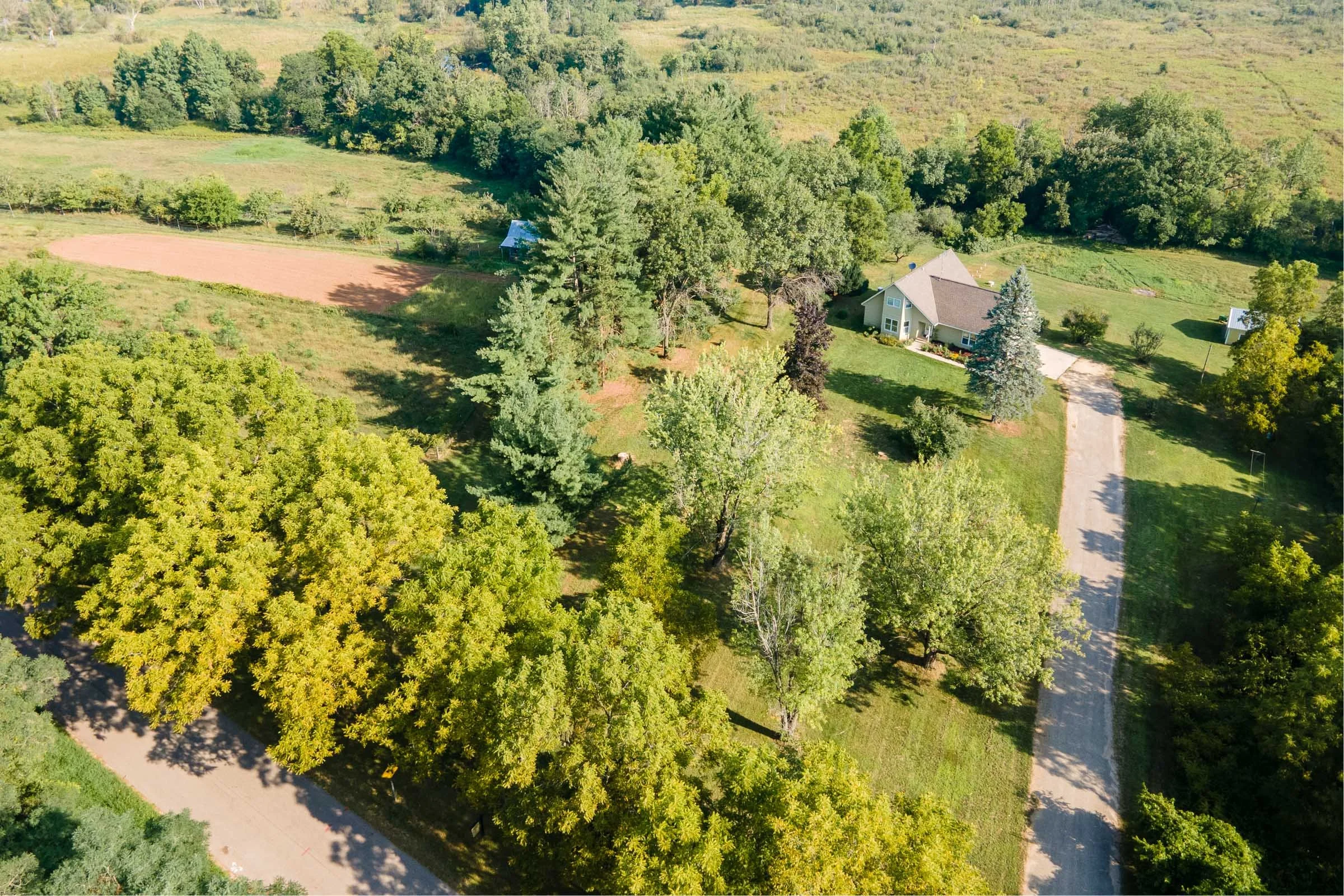
A thriving pollinator garden at a Latitude listing.
Gardens as Catalysts for Regeneration
For Jewell, the path forward is clear. Gardens offer one of the most approachable ways to engage with ecological care. They invite observation, patience, and responsibility. They make the rhythms of a region visible. And they foster a sense of belonging that extends into the surrounding community.
This is why gardening matters to regenerative real estate. Homes are not isolated structures. They are part of larger ecological and cultural networks. When people cultivate with intention, they strengthen those networks.
As Jewell puts it, gardeners help grow the world forward.
This podcast isn’t just about ideas—it’s about action. From these conversations, two organizations have emerged to bring regenerative real estate to life:
Latitude Regenerative Real Estate is the world’s first regenerative-focused real estate brokerage, dedicated to aligning values-driven buyers and sellers. With a strong presence in the Pacific Northwest and Great Lakes regions, Latitude also supports purpose-driven developments across North America through strategic marketing and branding services. If you're looking to buy, sell, or amplify a regenerative project, Latitude is your trusted partner.
Hamlet Capital is an investment and development firm committed to building resilient communities rooted in working farms. If you’re developing an agrihood or conservation community, we’d love to hear from you. Together, we can turn visionary ideas into thriving, place-based investments.