Each year, a portion of Latitude’s revenue is directed to nonprofit organizations whose work reflects our values. As a social enterprise, we structure every transaction so that it contributes to regenerative outcomes—whether that’s helping new farmers access land, supporting affordable homeownership, or strengthening ecological restoration efforts. This approach is what we call Transformational Transactions: using the real estate process to support the people and landscapes that make thriving communities possible.
The organizations below represent a cross-section of the efforts we believe strengthen the conditions for long-term well-being. Their work ranges from protecting farmland and growing the next generation of farmers to expanding access to stable homeownership. What follows is a closer look at who they are, the missions they serve, and reflections from our Change Agents about why their work resonates.

Organizations Supported Through Transformational Transactions
Zinniker Farm Stewardship Association
East Troy, WisconsiN
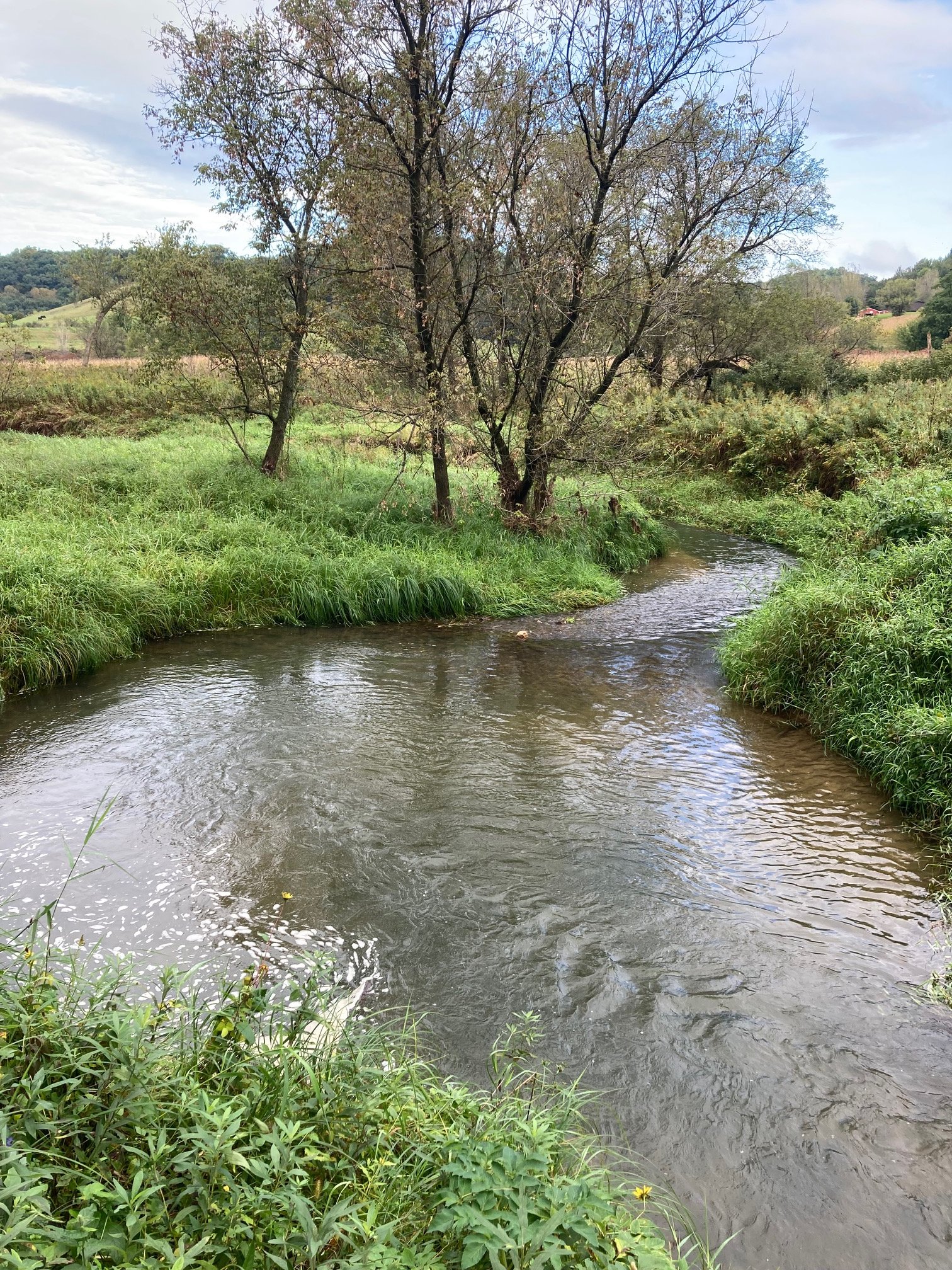
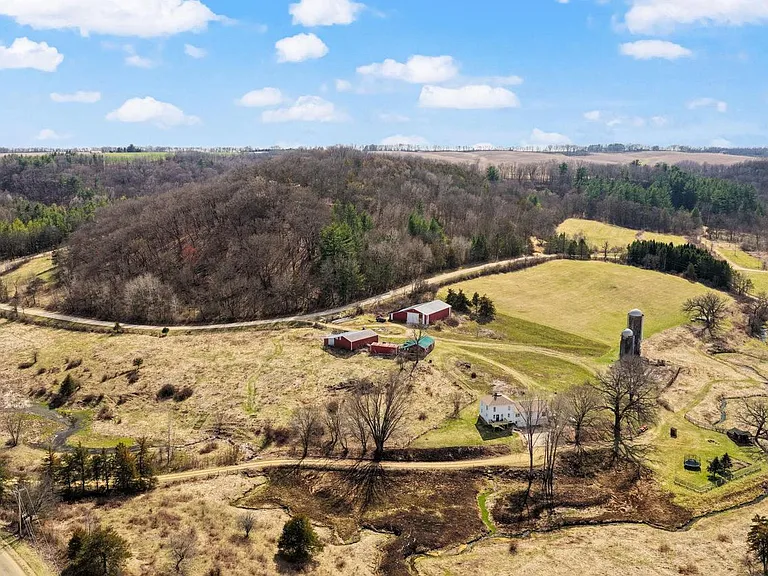
Zinniker Farm is the oldest biodynamic farm in the United States, a place where soil health, community participation, and land devotion have guided stewardship since 1943. The Zinniker Farm Stewardship Association exists to ensure that this legacy continues in perpetuity—supporting both the current and incoming stewards, keeping the land in active biodynamic practice, and cultivating a community of members who value nutrient-dense food and ecological regeneration. Their work blends land succession, regenerative agriculture, and cultural renewal into a model designed to keep a historic farm thriving for generations to come.
Why Mark gives:
“My clients and I support this endeavor because the farm embodies the kind of long-term care we believe land deserves. Contributing a portion of my commissions is a way to stand behind a place that feeds people with integrity, teaches by example, and models a future for agriculture grounded in reciprocity. It helps legacy farmers step toward retirement with dignity, supports next-generation farmers as they root their lives in stewardship, and strengthens a farm organism that nourishes both people and culture. I give because this farm is worth carrying forward—wisely, humbly, and together with the community it feeds.”
Learn more: https://www.zinnikerfarm.com/membership
The African American Alliance for Homeownership
Portland, Oregon
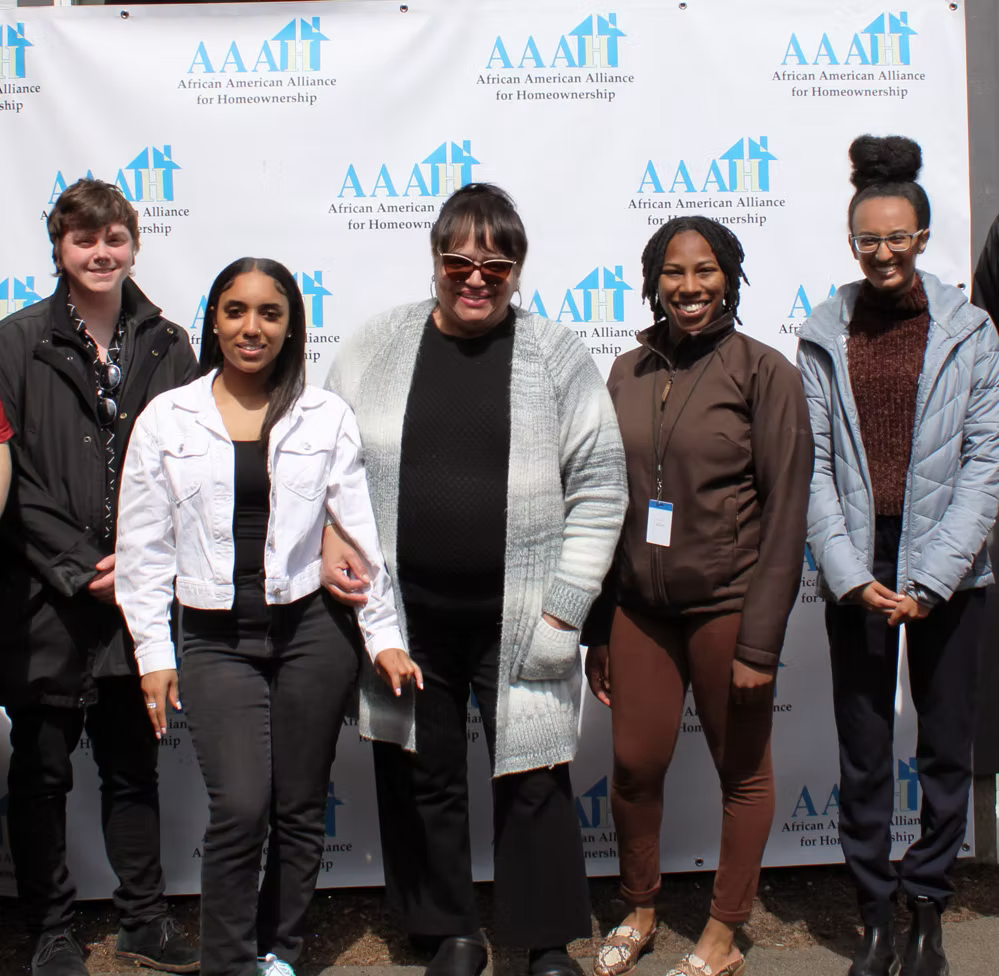
The African American Alliance for Homeownership is a Portland-based 501(c)(3) advancing equitable access to homeownership and the stability it creates. As a HUD-approved Housing Counseling Agency, AAAH delivers certified homebuyer education and foreclosure prevention services while also offering estate planning, home-repair assistance, water-leak mitigation, and energy-efficiency upgrades. Together, these programs help families obtain, retain, maintain, and sustain their homes—an integrated approach supporting both immediate needs and long-term resilience. Focused on African American, income-limited, and underserved communities, AAAH partners with public agencies and local stakeholders to strengthen the foundations of generational security and homeownership in Portland.
Why Nathan gives:
“For decades, practices like redlining, racially restrictive covenants, exclusionary zoning, and discriminatory lending prevented African Americans from having equal opportunities to purchase homes in the United States. As a white man, I benefit from the long-term ripples of that unlevel playing field. I donate a portion of every commission I receive to the African American Alliance of Homeownership so they can support African Americans in obtaining, retaining, maintaining, and sustaining homes. In this way, my work makes a small contribution toward rebalancing that playing field.”
Learn more: https://www.aaah.org/
The Organic Farm School
Clinton, WA
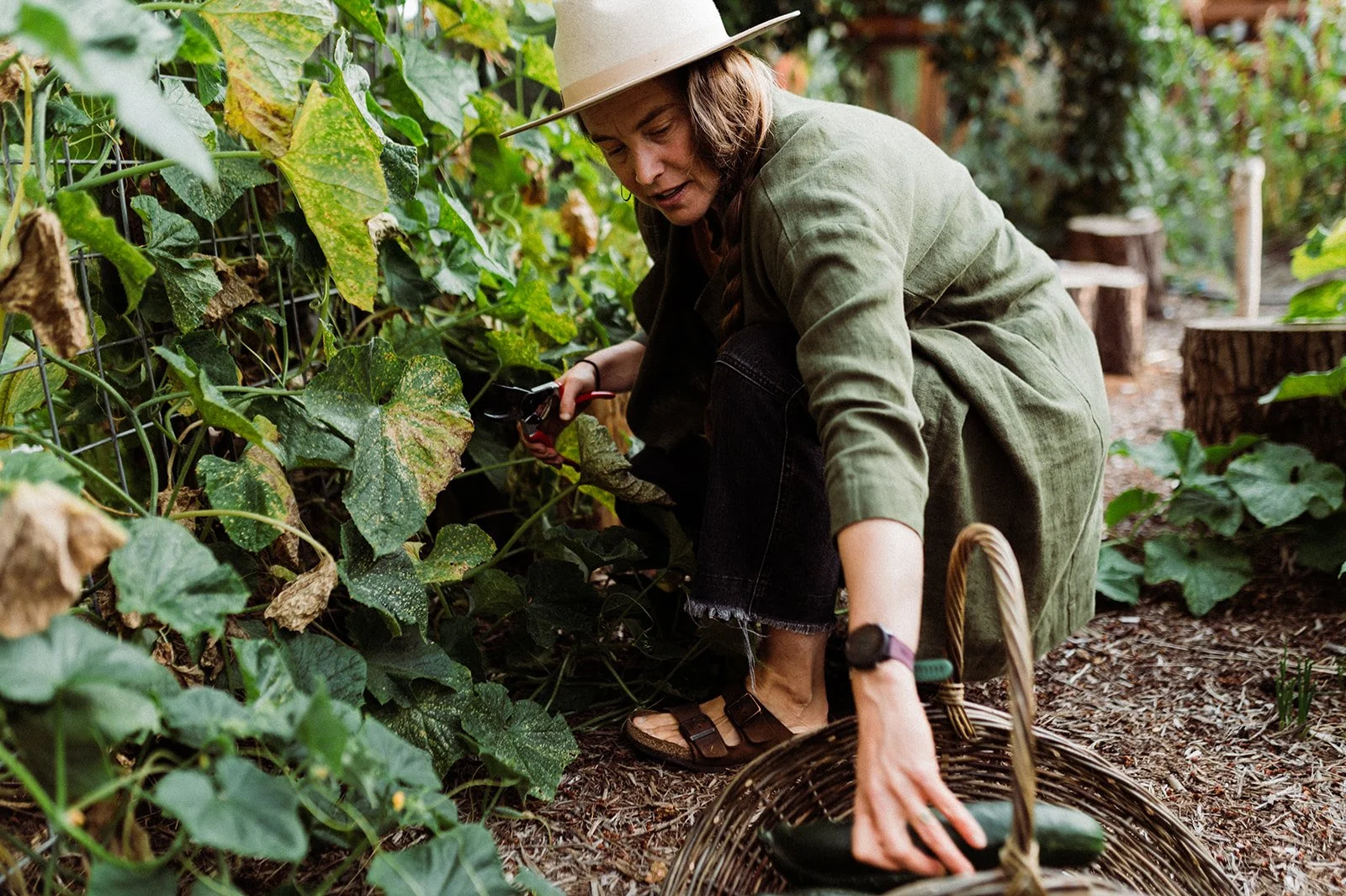
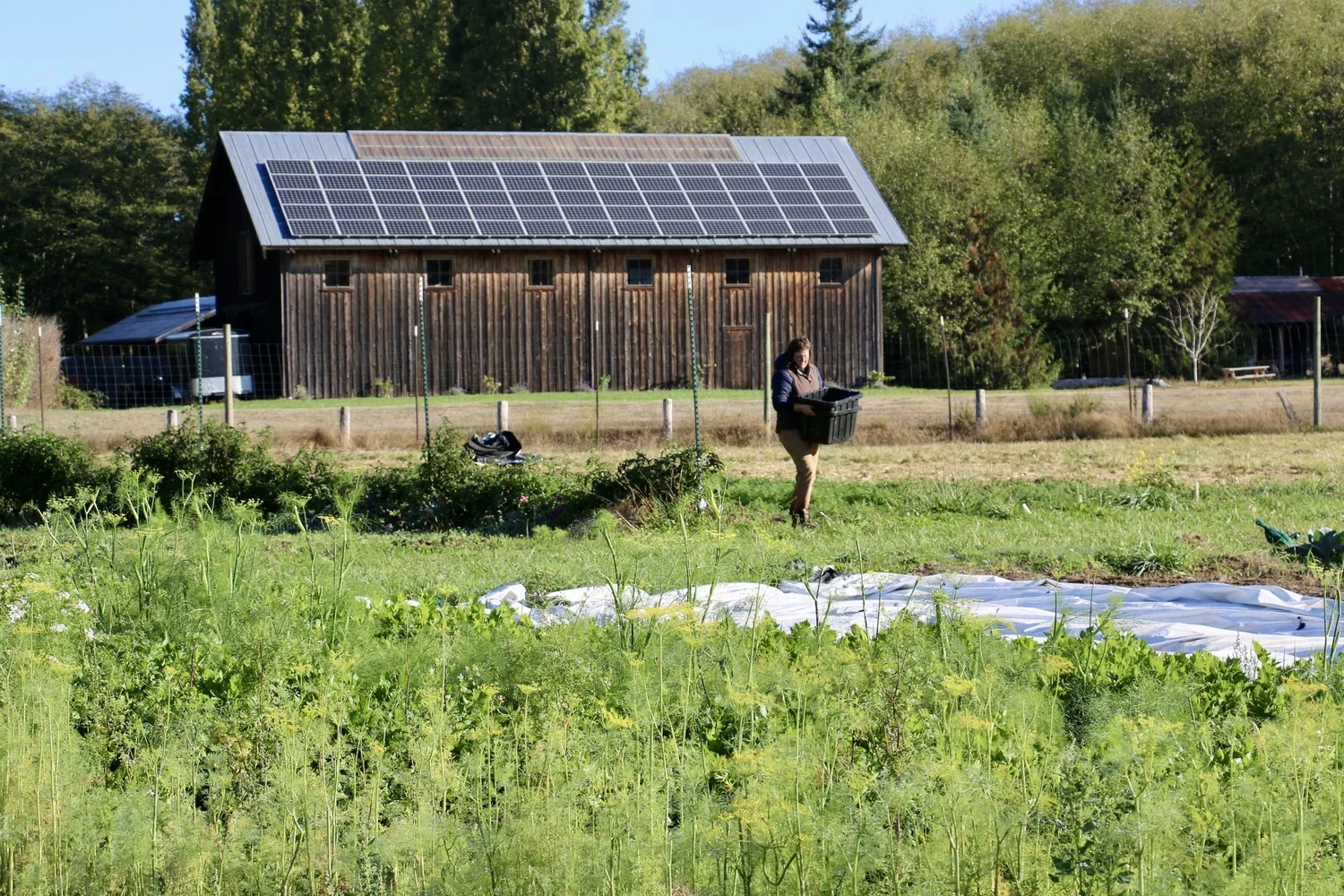
The Organic Farm School is a training ground for new farmers and a gathering place for people committed to community-scale agriculture. Through apprenticeships, workshops, farm stays, seasonal intensives, and community potlucks, the school offers hands-on education rooted in ecological growing, land stewardship, and the social fabric of farming. Their programs prepare beginning farmers with the practical skills, confidence, and community support needed to grow food in ways that nourish both people and place.
Why Neal & Alissa give:
“We need more regenerative farmers, and they have a remarkable way of weaving community together. Supporting the Organic Farm School helps ensure the next generation of farmers receives the hands-on training and knowledge they need to thrive. The school has become an anchor on the island, offering pizza nights, open-mic gatherings, and a vibrant farm stand that keeps us well nourished through the seasons. Their transition of this land into regenerative agriculture is both a story and a living testament to a more resilient, more hopeful future.
Watch this video about The Organic Farm school to get a feel for their work—beautifully captured by our friends at Thriving Communities.”
Learn More: https://www.organicfarmschool.org/
Homestead Community Land Trust
Seattle, Washington
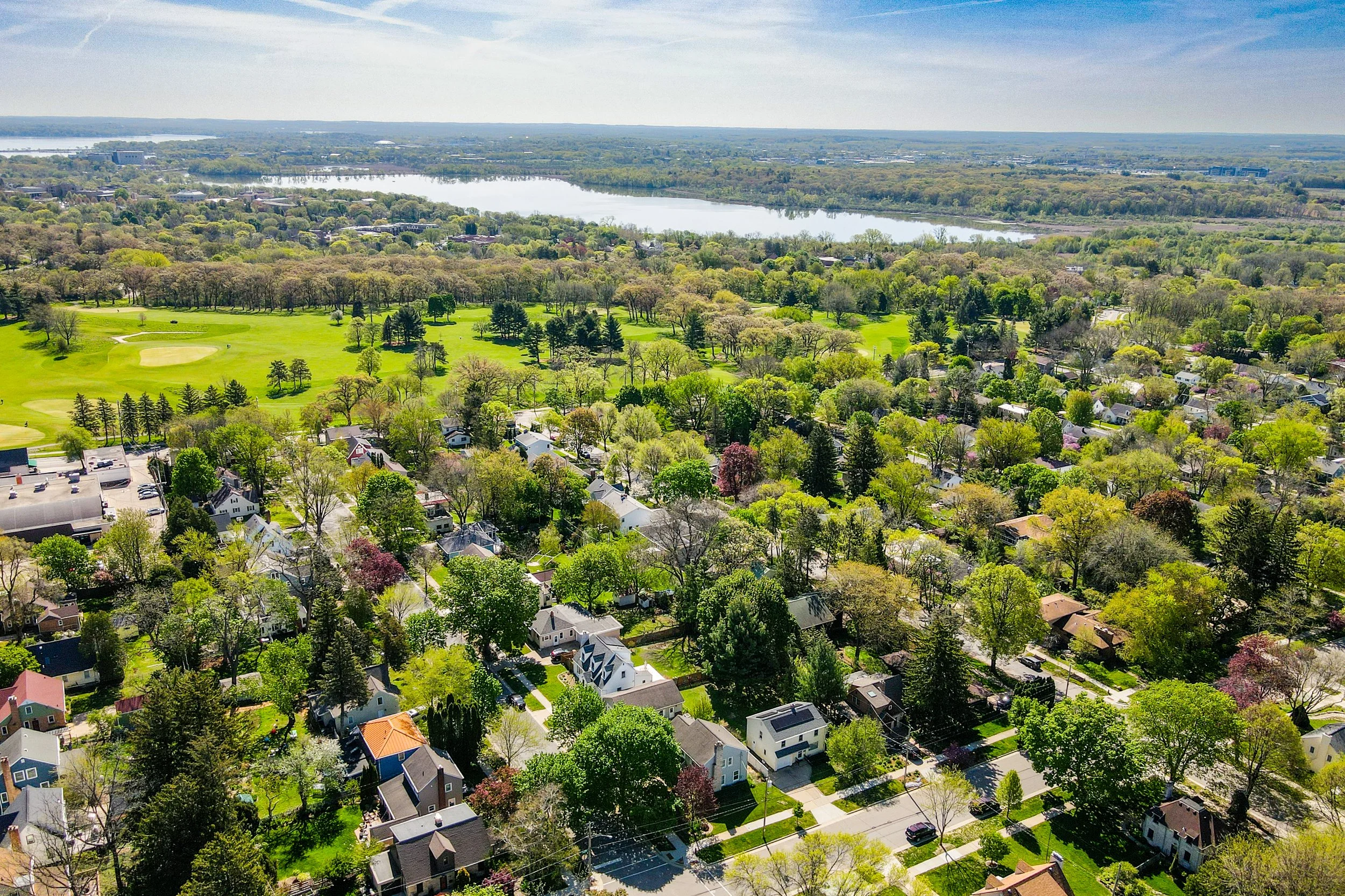
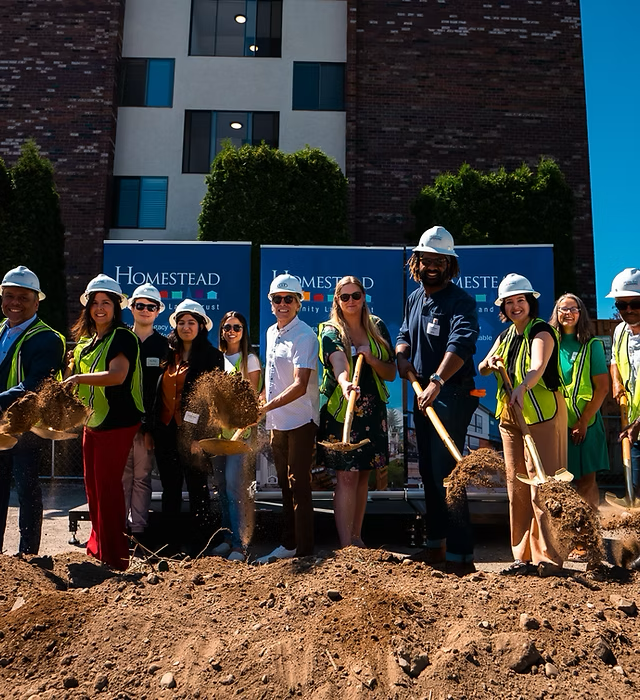
Homestead Community Land Trust expands access to homeownership by permanently removing homes from the speculative market. Their model ensures that families priced out of Seattle’s housing economy can find stability, build equity, and put down roots—without facing the volatility that often defines urban real estate. By preserving affordability across generations, Homestead strengthens neighborhood continuity and supports long-term community wellbeing.
Why Aly gives:
“I donate to Homestead Community Land Trust because I believe that stability and homeownership are essential pathways to a healthier, more secure life. Homestead opens the door for people to purchase their first home in a Seattle market that would otherwise be inaccessible. If I earn my living in real estate, it’s important that my work also helps people from all walks of life access homeownership.”
Learn More: https://www.homesteadclt.org/
A Social Enterprise Model for Regenerative Outcomes
Our giving is rooted in the belief that real estate can restore rather than extract. When clients work with Latitude, the impact extends far beyond the transaction itself—reaching farms, classrooms, community organizations, and families who are shaping healthier futures.
Each of the organizations above plays a role in building that future:
nurturing ecological food systems,
training new farmers,
strengthening community resilience,
and protecting access to stable homes.
This is what it means for real estate to be regenerative.
Join Us in Expanding Regenerative Impact
If this work resonates, we invite you to share it with others who care about land, community, and long-term resilience. And when the time comes to buy or sell real estate, choose a model that directs resources toward the people and places that need them most.
Together, we can continue building a regenerative path forward—one transaction at a time.