Much of modern life happens at a distance.
Our food may travel thousands of miles before reaching us. The objects in our homes cross continents through supply chains we rarely see. Work, shopping, entertainment, and even much of our social connection now take place through screens, often with little relationship to the places where we physically live.
We have become accustomed to receiving finished products and services while knowing less about the people, materials, and processes behind them.
This distance is often presented as convenience: freedom from the supposedly time-consuming work of growing, making, maintaining, and repairing. Yet the time saved is not always returned to us. It is often absorbed by other demands, while the skills and knowledge once held within households gradually move elsewhere.
Through this transition from makers to consumers, our homes have lost much of their active role in our lives.
We began thinking about this while listening to a lecture by Paul Kingsnorth, an English writer living in western Ireland who describes himself as a “reactionary radical and an aspiring beekeeper”. His nonfiction considers environmentalism, globalization, technology, and the larger forces reshaping how we live.
Kingsnorth uses the term “the Machine” to describe the technological, economic, and cultural systems that increasingly organize modern life for us: how we work, consume, communicate, travel, and understand the world. No single person or institution controls the Machine. It is a vast and interconnected system that promises convenience, efficiency, and freedom while making us more dependent on structures we rarely see and have little power to influence.
His ideas led us to a question of our own:
As more of daily life is managed by systems far beyond the home, what helps us remain active participants rather than passive consumers?
One possible answer begins at home.
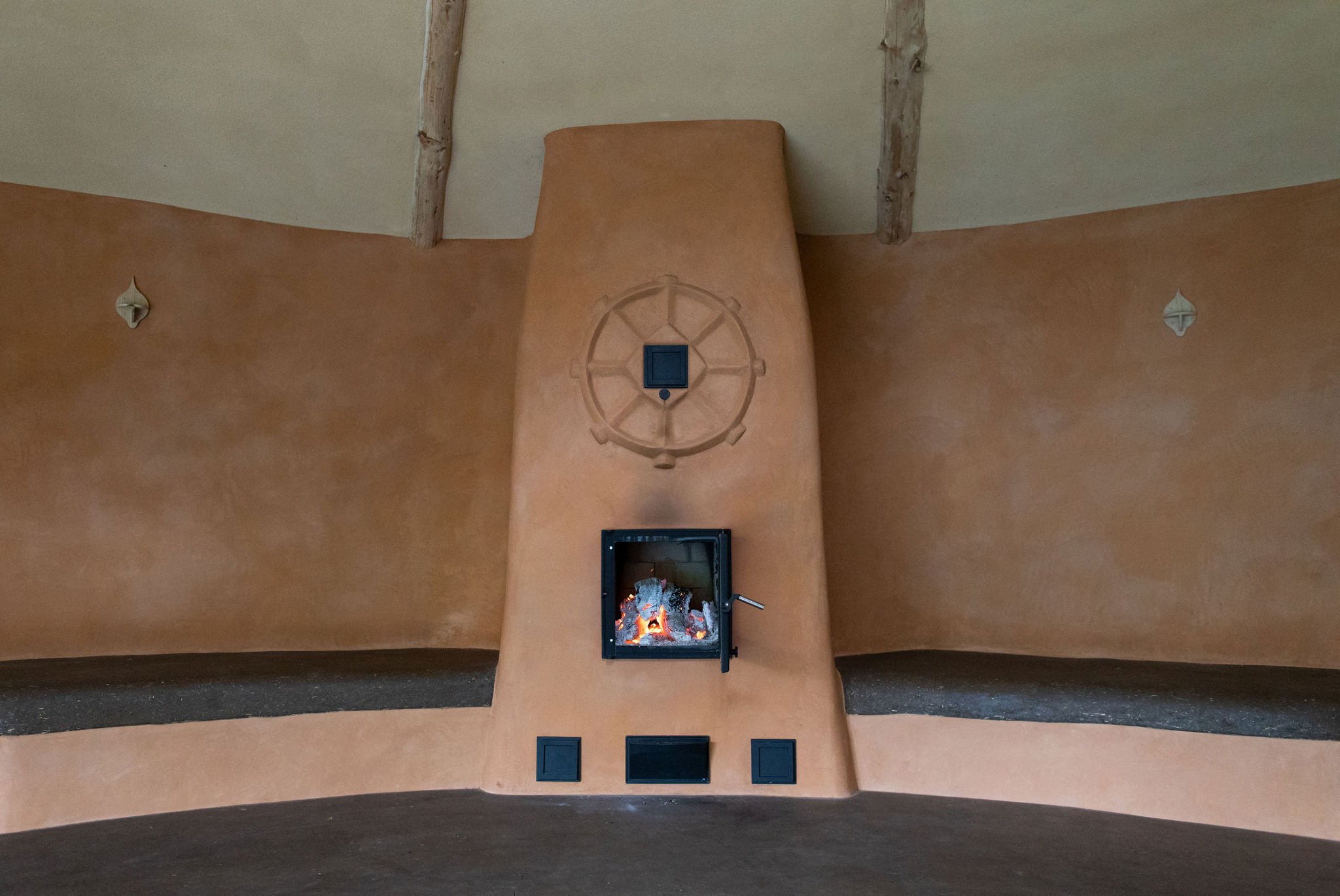
The Kinship hearth at Stone’s Throw. Photo captured by Olivia Ashton
The Hearth at the Center
In an essay on the decline of the household fire, Kingsnorth draws on the work of English writer John Michell to consider the hearth as the practical and cultural center of the home.
It provided warmth and light, but it also created a place where families and neighbors gathered, meals were prepared, and stories and songs were shared. Beyond a source of heat, the hearth was a place where culture could be created and remembered.
Kingsnorth contrasts this experience with the “digital fires” we gather around today. Many of the stories entering our homes now come through screens, created by distant companies and often consumed individually. For him, the fading of the traditional hearth represents something larger: the loss of a shared center and of the ordinary household practices that once gave people a greater role in meeting their own needs.
Alissa Collins, from the Latitude team, recalls this feeling from fall storms on Whidbey Island, Washington,
“When the power goes out, the house grows quiet. There is no generator running and no background hum of machinery. Meals are cooked over the fire, and the day follows the available light. What might appear to be an inconvenience becomes a rare experience of presence, capability, and peace.”
The point is not that every home needs a wood-burning stove. It is that every home needs a center: a place where attention gathers, relationships deepen, and some part of life remains ours to tend.
Bringing Life Back Within Reach
“Human scale” describes the level at which we can directly encounter more of what sustains us, understand something about how it works, and participate in its care.
A garden brings food production within reach, but so does knowing the local farmers who grow our food. Walking the same woodland across many seasons reveals changes that would remain invisible during a single visit. Knowing neighbors, tradespeople, and small businesses creates relationships around needs that might otherwise be met anonymously.
The value of proximity is not complete self-sufficiency. Few people can or should attempt to produce everything they need. The value lies in staying involved.
The closer we come to the processes behind everyday life, the more clearly we see the knowledge, labor, and interdependence they require. We begin to understand what we can do ourselves, where we rely on others, and how those points of dependence might become relationships rather than transactions.
This is one difference between an active life and a passive one. An active life asks us to notice, learn, make decisions, and take responsibility for what falls within our reach.
The productive home
Kingsnorth draws on “Family Work,” a 1980 essay by the late Wendell Berry, the American writer, farmer, and agrarian thinker whose work explored the relationships among land, labor, community, and home.
Berry wrote about the home as a productive place. Food was grown and prepared there. Objects were made and repaired. Children learned alongside adults. Skills and stories passed between generations. Neighbors relied on one another in direct and practical ways.
The goal is not to recreate or romanticize an earlier era. Domestic life has never been free from difficulty, inequality, or exhausting labor. But it is worth asking what was lost when so much of the home’s productive role was transferred to distant corporations and industries.
A home can produce food, knowledge, skill, culture, beauty, habitat, memory, and belonging. These forms of value rarely appear in conventional property measurements, yet they may shape the experience of living somewhere more profoundly than many quantifiable features.
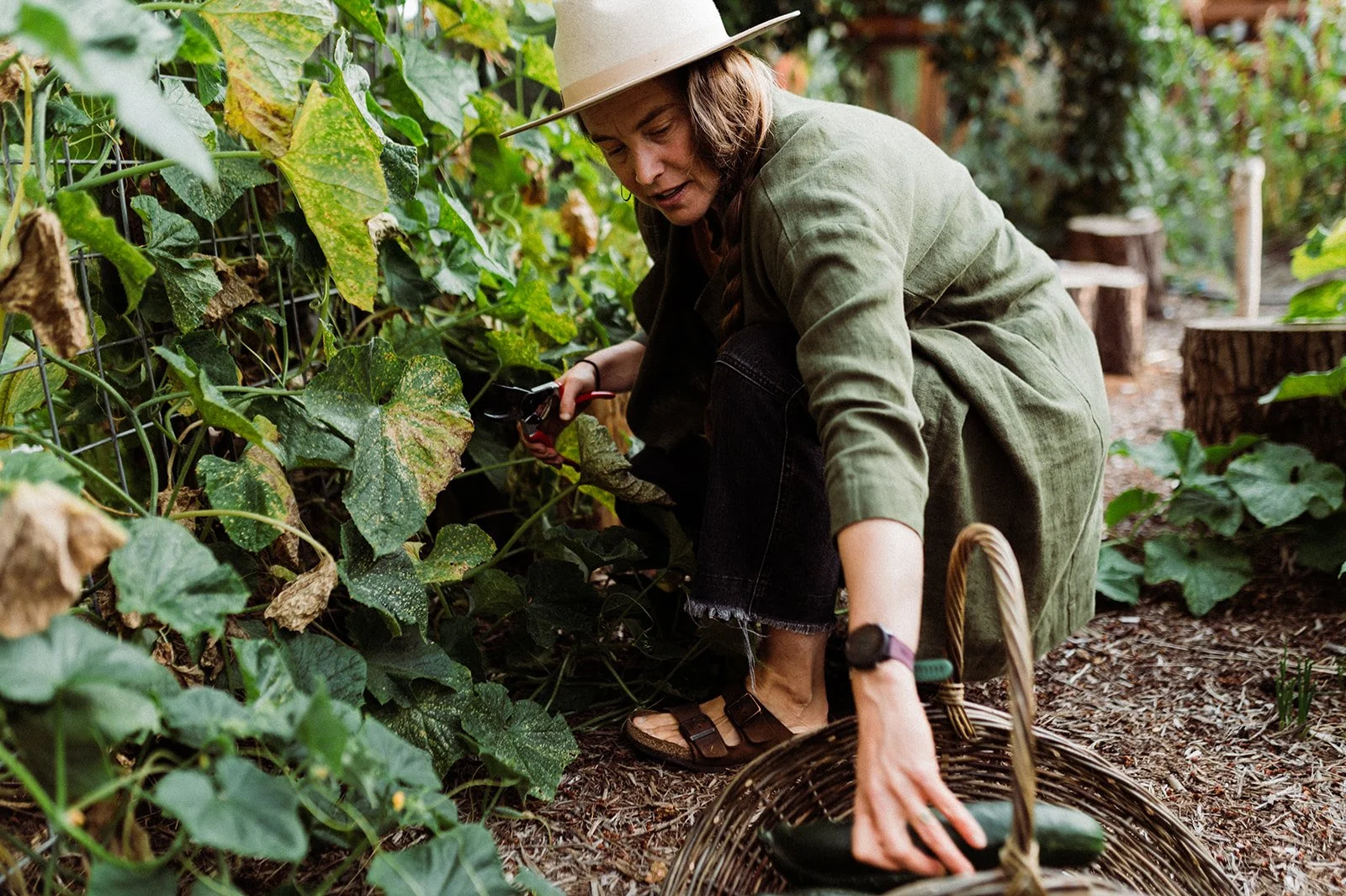
A kitchen can become a place where knowledge is practiced and passed on. A workshop can extend the life of the things we own. A garden can produce food while teaching us about soil, water, weather, patience, and limits. An orchard can connect a household to the seasons and to future generations. A meadow can provide habitat. A long table can support a culture of gathering.
Each of these choices brings part of life closer to home. Together, they allow the home to become more active, capable, and alive.
What a place teaches us
Kingsnorth describes this process through his own move from suburban England to rural Ireland. He arrived without many of the practical skills his new home would eventually invite him to learn.
Over time, he began planting trees, keeping chickens, baking bread, building simple structures, maintaining hedges, clearing drains, and getting to know his neighbors. These were not abstract exercises in self-improvement. They grew from the practical demands of living in and caring for a particular place.
That is what makes his story significant. When we become responsible for a home, it continually presents us with things we do not yet know.
Some are ordinary and immediate: how to repair a fence, manage water, tend a garden, or maintain a building. Others become apparent more slowly as we begin to notice patterns in the land and recognize how little we initially understood about them.
We observe, act, see what follows, and adjust. Over time, care becomes better informed because it grows from experience with the place itself. The home does not simply give us more work to do. It gives us the opportunity to become more capable.
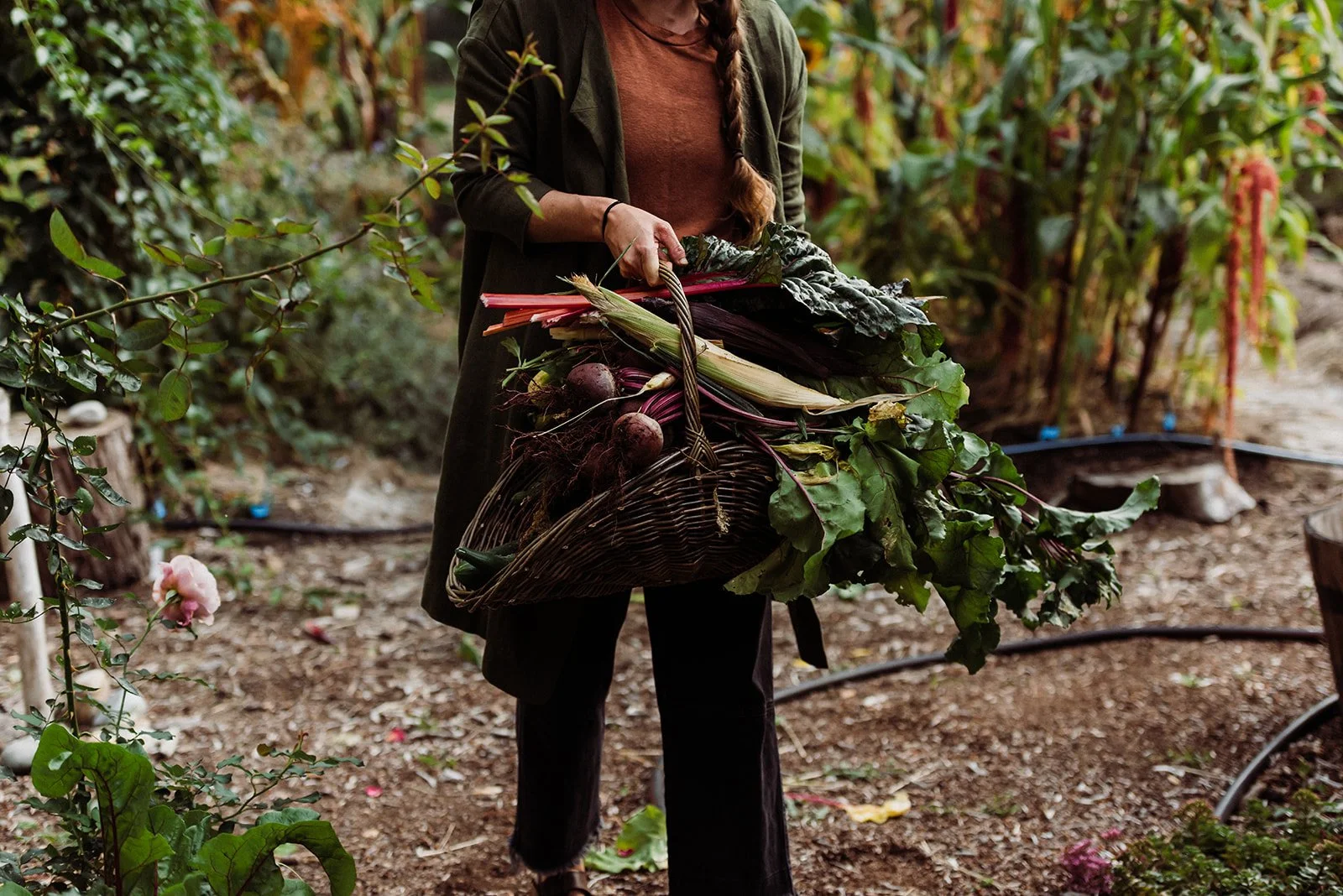
From daily choices to living systems
Rooting into a place confronts us with decisions at every scale.
Some concern daily habits: how we cook, what we buy, what we repair, where our food comes from, and how we spend our attention. Others concern the larger systems of a property: where rainwater can be captured, whether a pond could help slow and hold water, where a garden will receive the right light, how energy might be generated, and which areas should be cultivated, restored, or left alone.
These decisions are connected. Water shapes soil and determines where plants thrive. Plants affect temperature, habitat, erosion, and water movement. Animals participate in those systems in ways that can be obvious or nearly invisible. Human choices move through every layer.
A place from which to act
Viewed through Kingsnorth’s framework, artificial intelligence and other rapidly developing technologies can seem to extend the Machine’s reach even further, making the forces shaping our lives feel too large to comprehend, much less influence.
His work does not offer a technical solution to that uncertainty. Instead, it suggests something more immediate: learning how these systems work, recognizing what they ask us to surrender, and recovering agency where we can through rooting down.
That might mean knowing a place well enough to understand its patterns, developing useful skills, producing something of value, and caring for the people and living systems nearby, while creating spaces where stories, meals, work, and knowledge can be shared more directly.
This is not about turning away from the world, but about creating a place from which to act within it.
An active home can help us become less passive without pretending we can become entirely independent, reminding us that change also happens through the repeated choices of how we live, what we value, what we learn, and what we keep within reach.
Reclaiming the home
What Kingsnorth and Berry both offer is a reminder that agency does not have to begin at the scale of institutions, systems, or technologies. It can begin with the places closest to us, and with the decision to know them more deeply.
At Latitude, we return to their work because we recognize that we live with a foot in both worlds: the Machine and the living world. We depend on vast systems, even as we seek a more direct relationship with the places, people, and processes that sustain us.
Home is where those worlds can meet. Whether it is an apartment, a house, or a farm, it can become a place to root down, participate more fully, and keep more of life within reach.