A 1031 exchange on Whidbey Island offers a new perspective on farmland access, investment, and return on community.
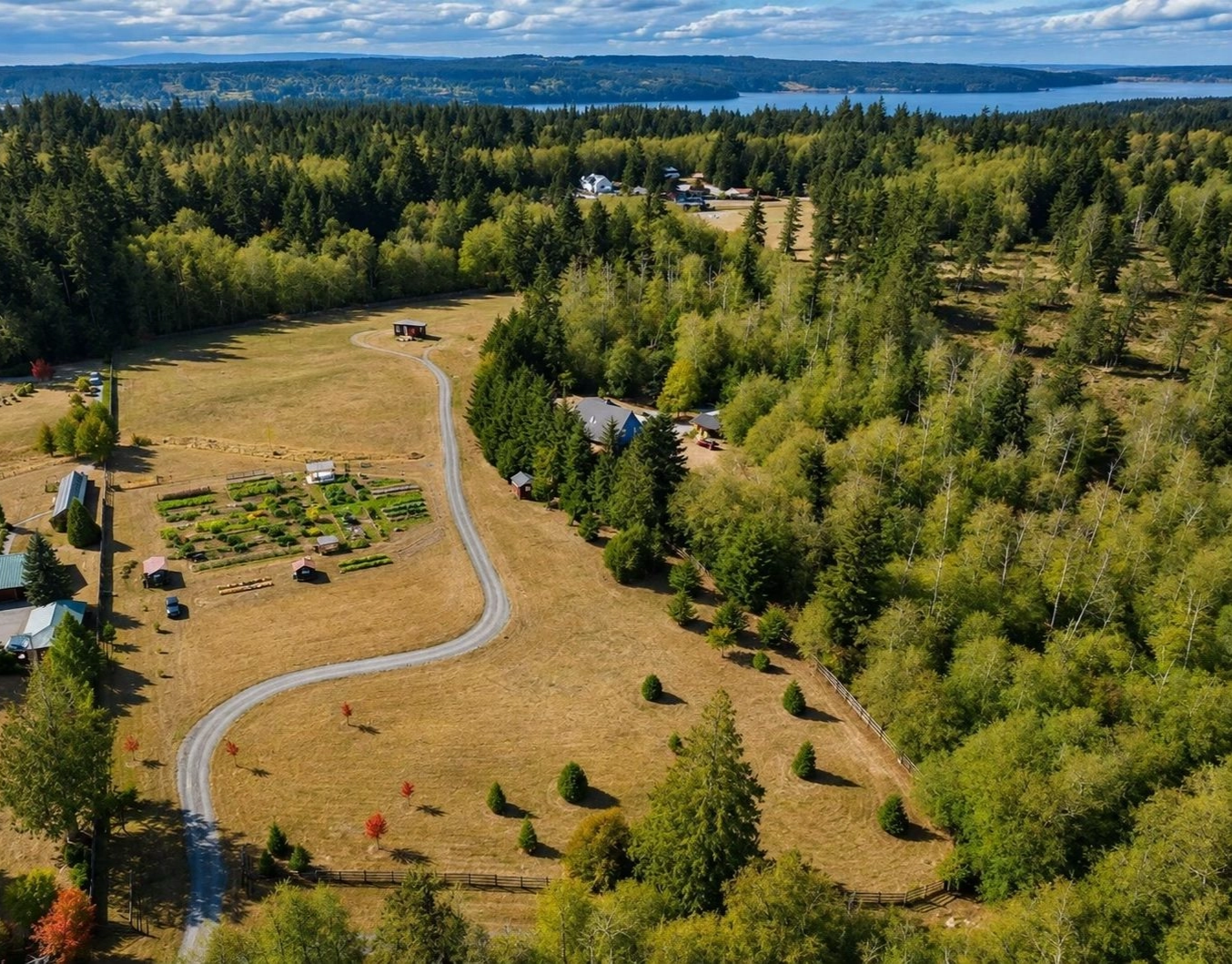
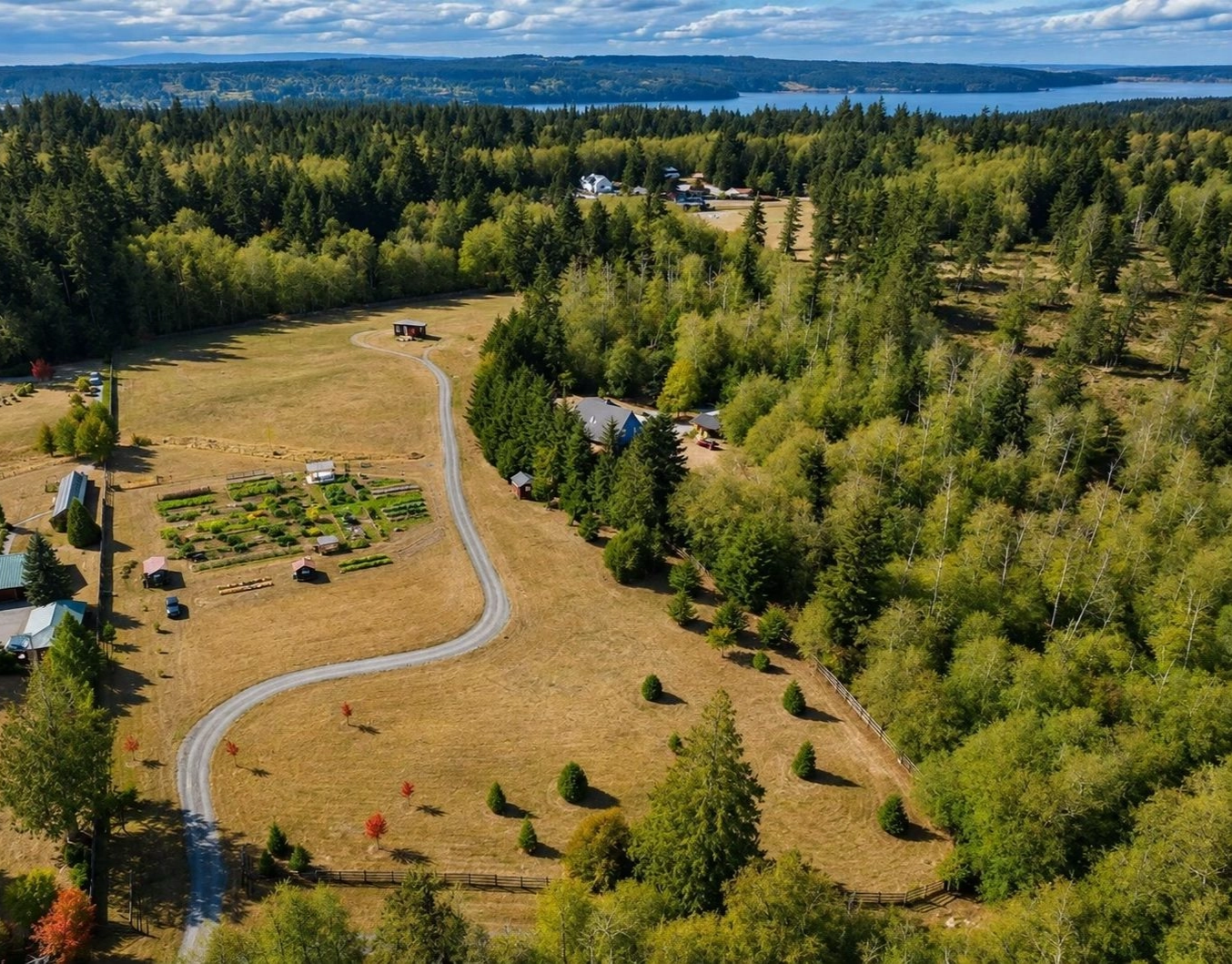
Foxglove Meadows, a 6.25-acre farm on Whidbey Island, Washington, surrounded by forest and the wider Salish Sea landscape.
Real estate investment is often guided by a familiar set of financial considerations: income, appreciation, tax efficiency, and the long-term performance of an asset. Over the years, I've facilitated many 1031 exchanges, helping clients navigate the sale of investment properties and the acquisition of new ones. While every transaction has its own circumstances, the objective is often similar: preserve capital through tax deferral while repositioning an investment for greater financial return.
Recently, I worked with buyers whose approach invited a different conversation about the purpose of real estate investment.
Through a 1031 exchange, they sold an income-producing urban rental property and acquired Foxglove Meadows, a 6.25-acre farm on Whidbey Island, Washington. With established gardens, irrigation infrastructure, agricultural outbuildings, and a tiny home, but no primary residence or significant rental income, the property represented an unusual investment choice.
The buyers understood the financial tradeoffs. Their interest was in using their investment to create greater access to agricultural land, informed by a question increasingly relevant to rural communities: how can people establish viable agricultural livelihoods when land values are so far removed from their productive potential?
The Economics of Farmland Access
Whidbey Island's agricultural landscape exists within a complex real estate market. Its proximity to Seattle, natural beauty, and rural character make it a desirable place to live, and residential demand significantly influences land values. Even small agricultural parcels can command prices north of half a million dollars, with much of that value attributable to residential development potential rather than agricultural productivity.
For emerging farmers and growers, this creates a fundamental economic challenge. A person may have the experience, business acumen, and customer relationships to operate a successful enterprise, yet be unable to justify the cost of purchasing the land on which that business would depend.
In conventional real estate terms, residential development may represent a property's highest and best use. From the perspective of someone hoping to make a living from the land, that same valuation can make agricultural ownership financially unattainable. The consequences extend beyond individual businesses, affecting the continuity of farming knowledge, local food systems, and agricultural livelihoods.
For the buyers of Foxglove Meadows, this tension between land value and agricultural opportunity became central to their investment decision.
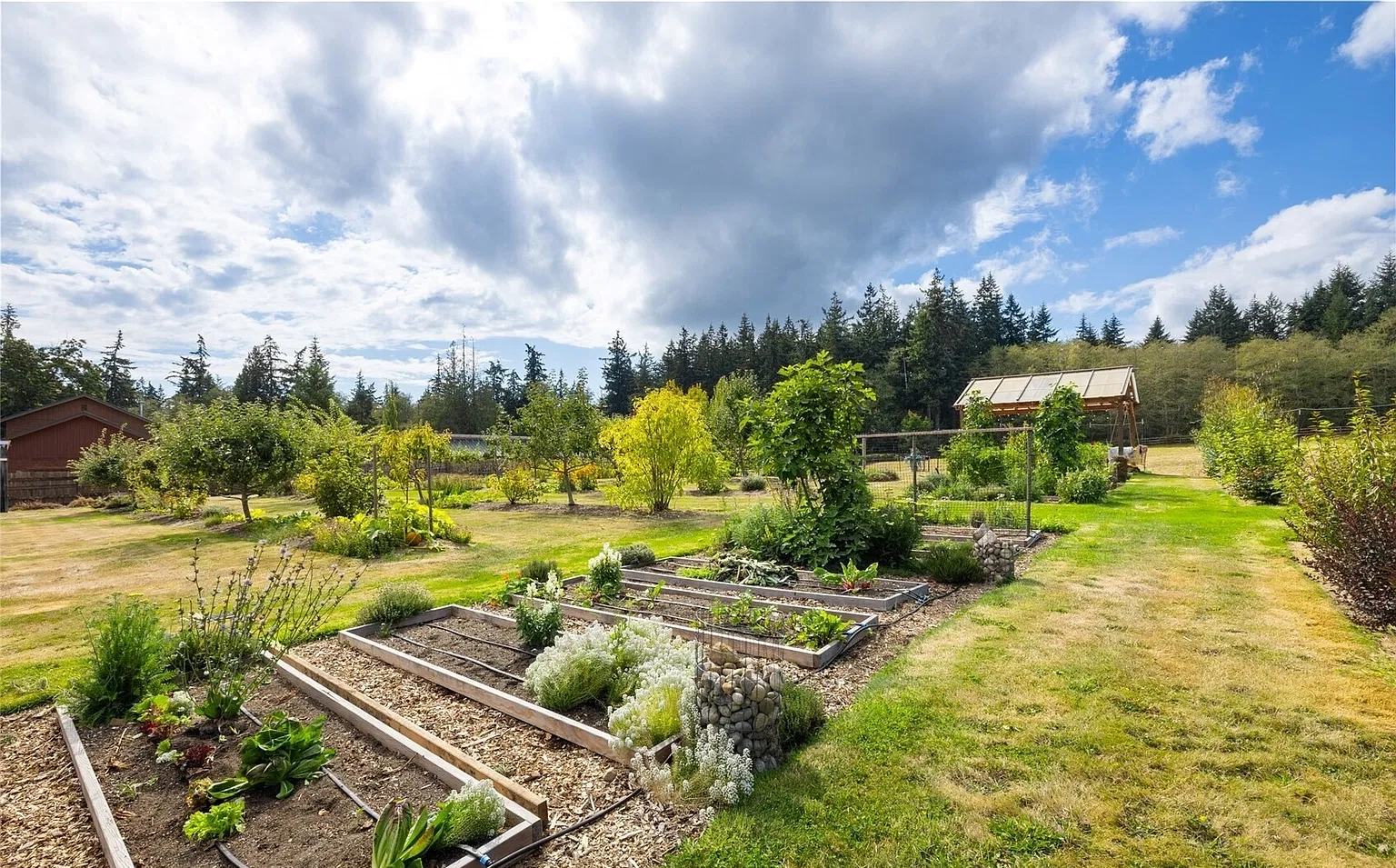
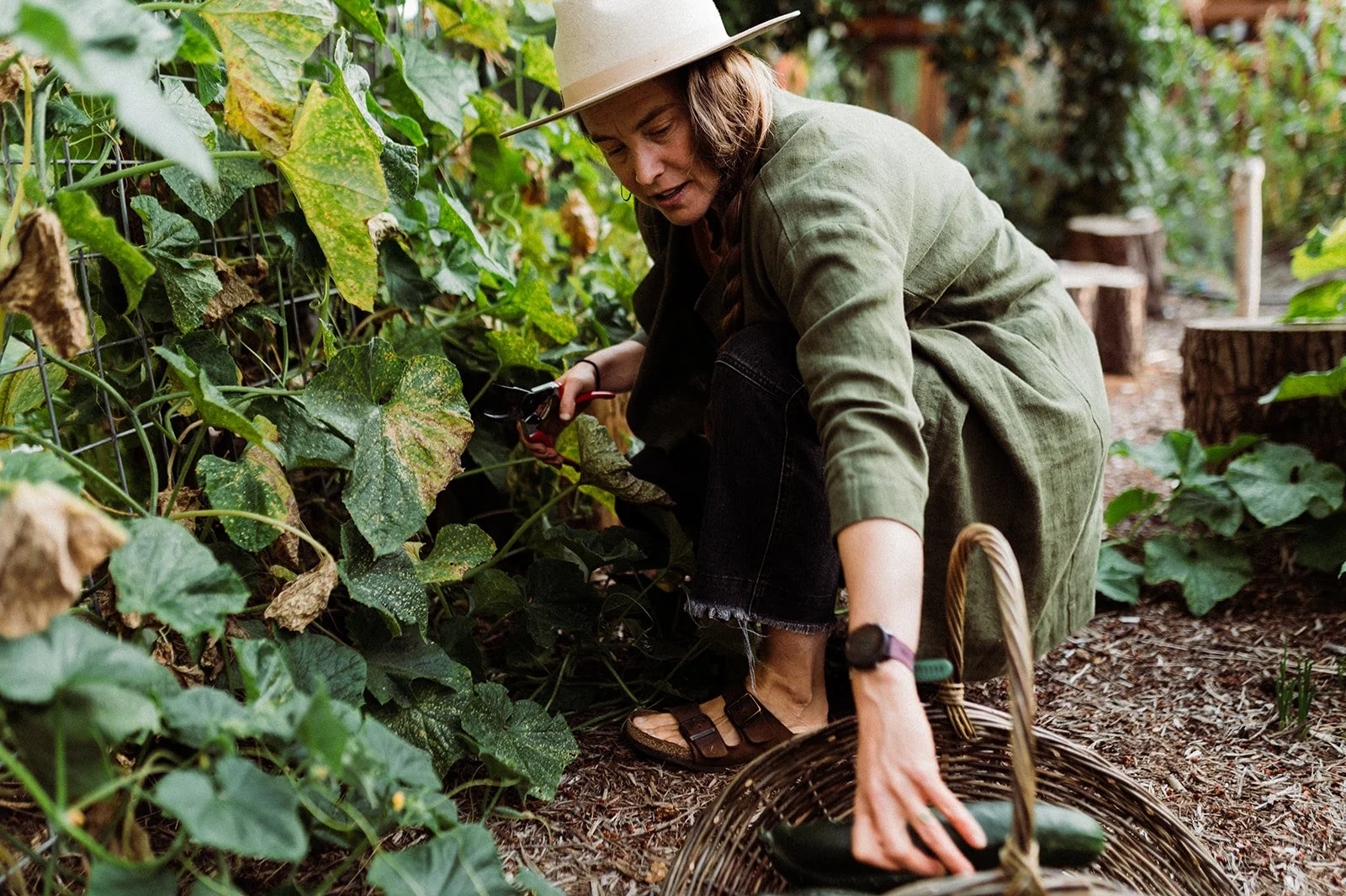
Established growing beds, fruit trees, and irrigation infrastructure offer a foundation for the farm's next chapter.
A Different Approach to Land Ownership
Rather than purchasing farmland for their own enterprise or leasing the property to a single operator, the new owners are exploring a collaborative model that could support several independent agricultural enterprises on the same land.
Their vision includes possibilities for market gardeners, small-scale growers, and livestock producers interested in practices such as rotational grazing. By sharing access to land, irrigation, and agricultural infrastructure, these enterprises could potentially develop without each operator absorbing the full cost of property ownership. Different agricultural activities might also complement one another, creating opportunities to think more holistically about how the land is cultivated, grazed, and stewarded.
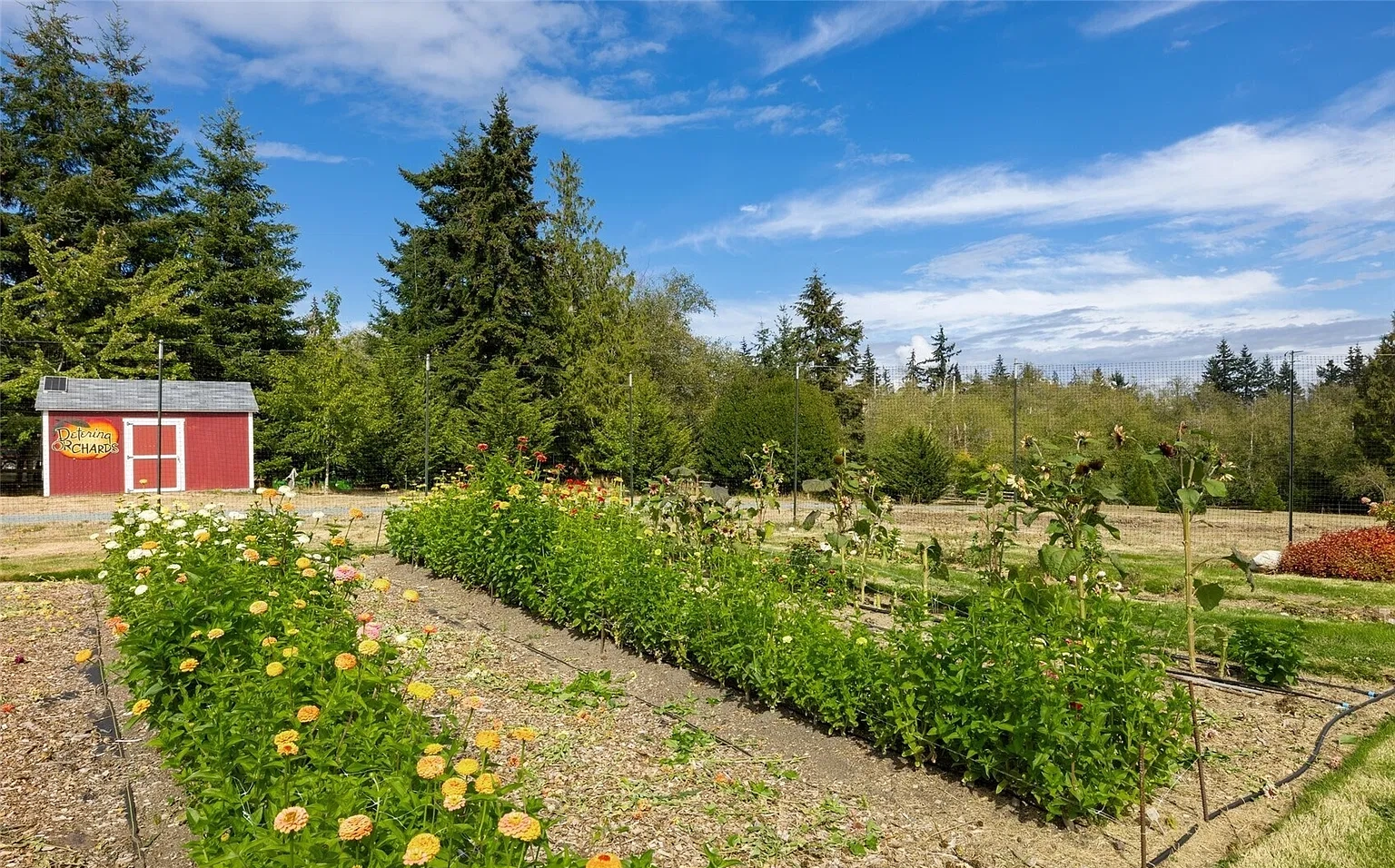
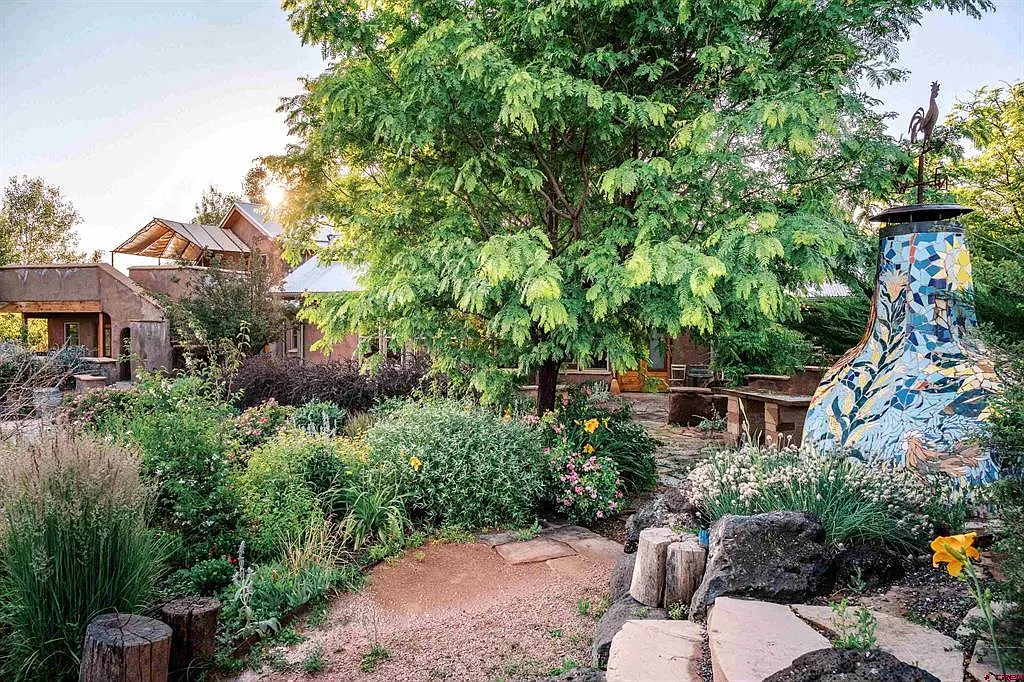
Cultivated flower beds and agricultural infrastructure reflect the care and investment of previous land stewards.
The model remains in its early stages, with important questions around access, management, and long-term economic viability still to resolve. What makes the transaction noteworthy is the buyers' willingness to consider a different relationship between capital, land ownership, and agricultural enterprise.
Reconsidering Highest and Best Use
In real estate appraisal, highest and best use describes the reasonably probable use of a property that is legally permissible, physically possible, financially feasible, and maximally productive. It is an essential framework for understanding market value, though it does not necessarily capture every form of value a property can create.
Agricultural land can support local food production, sustain livelihoods, maintain ecological systems, and contribute to the cultural identity of a place. These benefits are meaningful, even when they are difficult to quantify through conventional valuation.
The Foxglove Meadows transaction illustrates how investors can bring broader objectives to an established real estate strategy. A 1031 exchange remains a financial and tax-planning tool, but the intention guiding the selection of the replacement property can fundamentally change the outcome.
In this case, the buyers were asking how their capital might address a challenge within their community, and whether land ownership could become a means of expanding opportunity rather than concentrating access.
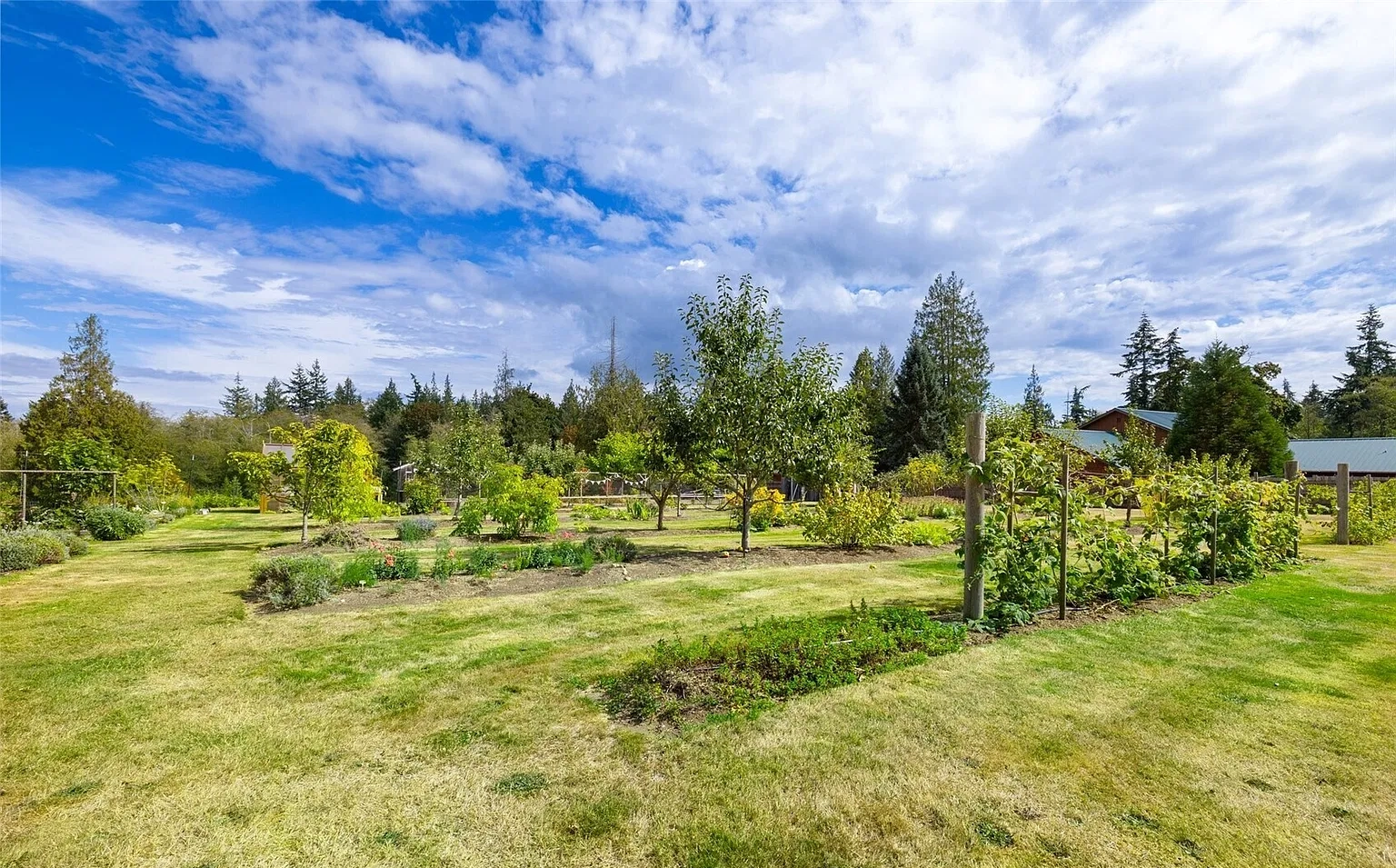
An established orchard and cultivated landscape offer possibilities for new agricultural enterprises and shared stewardship.
A Return on Community
Working in regenerative real estate has deepened my appreciation for the many ways people understand the value of property. Financial considerations remain fundamental, but they are rarely the only factors shaping a client's decisions. Land carries personal histories, ecological relationships, productive potential, and possibilities that extend beyond its current use.
Part of our work at Latitude is understanding these dimensions alongside the practical realities of real estate: market conditions, valuation, financing, property rights, and the legal structures through which land changes hands.
Foxglove Meadows is an example of what can emerge when clients bring a clear sense of purpose to that process. The buyers understood the financial tradeoffs and were willing to consider an investment whose success might be measured differently.
Their vision for a collaborative agricultural community is still taking shape, and its long-term success will depend on thoughtful planning and relationships with the people who may one day cultivate and steward the land. But the transaction itself offers something worth considering: through a familiar real estate investment mechanism, these buyers have created the possibility for a different kind of return, measured not only in financial performance, but in agricultural livelihoods, access to land, and the vitality of a local community.
The value of land, after all, is not only in what it is worth, but in what its ownership makes possible.